Young children bring big feelings to the classroom. This article gives simple, practical steps you can use every day to support #mentalhealth for the children in your care. It is written for child care directors and providers working with infants, toddlers, and preschoolers. You will find ideas you can try right away, links to helpful trainings and tools from ChildCareEd, and reminders to work with families and local mental health partners.
Why does children's mental health matter in early education?
Young children's emotional experience affects how they learn, play, and connect with others. When children feel safe and understood, they can pay attention, try new things, and manage emotions. This helps school readiness and long-term success. Research and public health groups emphasize early support. For practical resources, see ChildCareEd's post on educators' role and the HHS youth mental health advisory.
Why it matters:
- Children with better social-emotional skills have stronger learning outcomes and friendships. See evidence about social-emotional learning and programs at CECMHC and the RAND study.
- Early help lowers the chance of serious problems later. Public health sources recommend screening and connecting families to care; check CDC resources like Watch Me! Module 4.
State note: state requirements vary - check your state licensing agency.
What practical steps can I use in my program to support mental health?
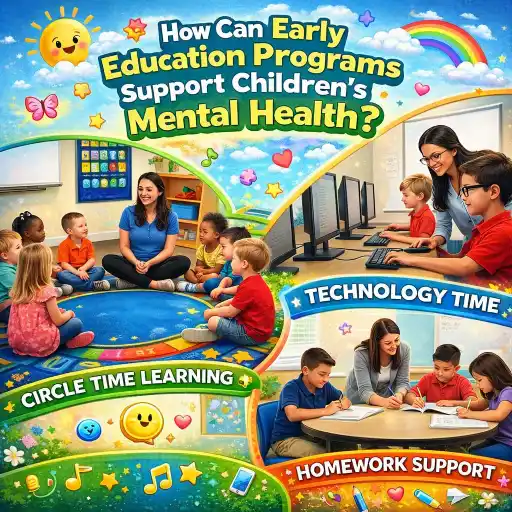
Here are easy, everyday actions you can take. Use short routines and clear expectations so children feel safe. Offer calm corners, consistent schedules, and emotion words they can use. For training and practical courses, try Mental Health in Early Childhood  Buy Now $24.00 or Early Emotional Wellness Buy Now $16.00 from ChildCareEd. You might also consider the course A Thoughtful Approach to Children’s Mental Health, a concise, practice-focused training designed to help providers implement classroom strategies for supporting young children's behavior and emotional development.
Daily actions (try 1–3 each week):
- 🧸 Build predictable routines: post a simple picture schedule and review it each morning.
- 🎨 Teach feelings with books and puppets: name emotions and model calm strategies.
- 👂 Use active listening: reflect what the child says before offering help.
- 🧘 Offer short breathing or movement breaks to reset attention and body feelings.
- 📣 Praise effort and small social steps to build confidence and belonging.
Consider adopting an evidence-based curriculum or lessons for #SEL and self-regulation. Resources like Second Step Early Learning (SSEL) and CECMHC curricula guides can help you choose what fits your site.
State note again: state requirements vary - check your state licensing agency.
How do we spot concerns and connect families to help?
Early detection matters. Changes in sleep, appetite, attention, play, or persistent sadness/anger can be signs a child needs extra help. Use screening tools and observation checklists to track behavior over time. The CECMHC screening guide lists useful tools (CECMHC screening tools).
Steps to follow:
- 🔎 Observe and document: keep brief notes and compare to developmental milestones (see CDC Watch Me! Module 4).
- 🗣️ Talk with families: use respectful, fact-based language; share specific examples and ask about home observations.
- 📑 Use screening when worries persist: consider validated tools and consult mental health consultants or your local early intervention system.
- 🤝 Make referrals and follow up: give families clear next steps and supports; help with local listings or telehealth options. The CDC and HHS offer guidance on access and referrals (CDC access page, HHS).
Remember to respect family culture and privacy. For screening and curriculum choices, CECMHC and ChildCareEd resources are helpful starting places.
How can staff stay well and avoid common pitfalls?
Supporting children’s #mentalhealth asks a lot of caregivers. Staff well-being makes programs stronger. Simple self-care and teamwork reduce burnout and help you remain patient and creative. For peer and professional strategies, see ChildCareEd's piece on self-care and professionalism Buy Now $0.00.
1) Practical staff supports:
- 🙂 Build team routines: short daily check-ins and shared strategies for challenging moments.
- 🛠️ Provide training: regular, short trainings on observation, trauma-informed practice, and de-escalation (see trauma-informed teacher tips).
- 💬 Create a referral plan: know who to call, who to involve, and how to document concerns.
- 🌿 Encourage self-care: breaks, realistic workloads, and access to supervision or counseling when needed.
Common mistakes and how to avoid them:
- Not documenting patterns: keep short notes so concerns are clear and specific.
- Acting alone: involve families and supervisors early.
- Skipping staff support: plan regular debriefs and training so staff feel capable.
Summary
1) Early support is practical and powerful. 2) Use daily routines, emotion language, and calm strategies to build a strong foundation for #children. 3) Screen, document, and partner with families when concerns arise. 4) Support your #caregivers with training and self-care so they can keep doing this important work.
Useful next steps (easy wins):
- Sign up for a short ChildCareEd course on mental health (Mental Health in Early Childhood Buy Now $24.00).
- Pick one classroom routine to add this week (feelings board, breathing break, or calm area).
- Schedule a family conversation template and a staff debrief each month.
FAQ
- Q: When should I screen a child? A: Screen when concerns last more than a few weeks or affect daily routines; consult your supervisor and local resources.
- Q: Can teachers deliver mental health programs? A: Yes — with training. Universal SEL approaches can be taught by trained staff; more serious issues need specialists.
- Q: What if a family resists referral? A: Listen, share observations, offer options, and respect their choices while documenting and offering supports.
- Q: How do I choose a curriculum? A: Match your goals, check evidence (see CECMHC), and pilot one classroom first.
Keep this short list handy and share it with staff and families. Small changes every day create safer, happier classrooms. For more practical resources and printable tools, visit ChildCareEd free resources. Remember: state requirements vary - check your state licensing agency.
- 45 Hour Child Growth and Development
- 45 Hour Preschool Methods and Materials
- Birth to Five CDA Credential with Portfolio Review
- 45 Hour Infant and Toddler Methods and Materials
- CDA Infant/Toddler Credential with Portfolio Review
- CDA Bridge Bundle: Infant/Toddler without Portfolio Review
- CDA Bridge Bundle: Preschool without Portfolio Review
- Texas Director Credential
- More Money for Maryland Childcare Providers
- The Vital Role of Professional Development
- CDA Certification en Español: Recursos y Consejos para Educadores Bilingües
- The Top Rewards of Working in Early Childhood Education
- How Can Early Education Programs Support Children's Mental Health?
- How Can Child Care Programs Support Children’s Mental Health?
- How Can New York Childcare Educators Support Children After Trauma?
- How Do Minnesota Winters Affect Young Children's Mental Health?
- What Did California Educators Take Away from the 2026 CAAEYC Conference in Pasadena?
- After DC Early EdX 2026: Why Do Early Educator Mental Health and Advocacy Matter More Than Ever?
- How can Florida providers connect early learning, health, and family support in 2026?
- How Can Early Childhood Programs Support Mental Health?
- What Does Michigan's Well-Being Data Mean for Child Care Providers?
- How do Minnesota child care providers support child health and family stability?
- How can North Dakota child care programs prepare children for school using social-emotional skills?
- How Can Arizona Preschool Programs Best Understand Temperament and Behavior?
- Can Play Be a Primary Strategy for Supporting Children’s Mental Health?
- How Can Providers Support Families Who Rely on Head Start?
- How Can Child Care Providers Support Children’s Mental Wellness?
