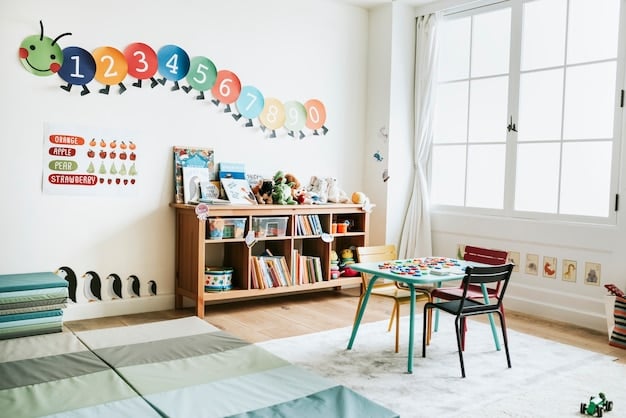
 Working with toddlers is joyful and busy. This short guide gives clear, simple steps you can try tomorrow to make your #toddlers room calmer and happier. You will find easy routines, room setup tips, ways to handle upset moments, and ideas to team with families.
Why do routines help toddlers feel safe?
Toddlers do their best when they know what comes next. Predictable days lower anxiety, help children join learning, and cut down on big behaviors. Adults also feel less stressed when routines run smoothly. For more on routines and visual schedules see How to Create and Implement a Visual Schedule from ChildCareEd.
Try this quick routine plan:
- 😊 Greet each child by name at arrival to build trust.
- 📋 Post a picture schedule where children can see it. Use photos or simple drawings and review it each morning (see the ChildCareEd visual schedule guide).
- 🎯 Teach 3 short rules (example: "Hands gentle," "Walking feet," "Kind words"). Keep rules visible and practice them often.
- ⏱️ Give transition warnings: 5 minutes, 2 minutes, 1 minute. Use a song or a countdown cue so children know what is next.
- 🔁 Repeat the same steps each day. Toddlers learn by seeing routines done the same way.
Why this works: Pictures and steady steps let children predict the day. When children can predict, they feel safe and participate more. For extra ideas about transitions, review How Can I Make Transitions and Daily Routines Easier on ChildCareEd.
How should I arrange the room to keep things calm and on track?
Your space can help children succeed. Thoughtful layout reduces fights, lowers noise, and makes routines easier for staff and kids. ChildCareEd calls the room a "second teacher" and offers tips in Best Practices for Managing a Child Care Classroom or Program.
Follow these steps:
- 🧩 Create clear zones: reading, blocks, art, sensory, and quiet. Use low shelves so children can reach toys.
- 🔄 Rotate materials each week to keep interest and reduce grabbing fights.
- 💡 Make a cozy calm corner with a rug, soft pillow, and 2–4 low-stim items (like a sensory bottle or breathing visual). ChildCareEd explains calm corners in How can I manage a toddler classroom so it feels calm and safe?.
- 📏 Keep clear paths so children move safely and teachers can see all areas.
- 🔔 Use visual cues and labels so children know where materials belong.
Small environmental changes make big differences. A quieter rug, softer light in the calm area, and fewer toys out at once lower overstimulation. For more layout ideas see How Can I Create a Calm Classroom Environment?.
What quick strategies help when toddlers act out?
Toddlers test limits because they are learning language, feelings, and sharing. Use short, kind tools that teach skills instead of long punishments. The ABC idea (Antecedent–Behavior–Consequence) helps you find the cause. See a quick introduction at How can child care teams manage challenging behaviors.
Here is a simple in-the-moment plan:
- 🧘 Stay calm: lower your voice and get to the child's level.
- ⚠️ Ensure safety: gently separate if needed and keep everyone safe.
- 💬 Connect then set a limit: name the feeling, state the rule briefly, e.g., "You look upset. Hands are gentle."
- 🔁 Teach one replacement skill: offer words, a choice, or a calm corner visit.
- 📄 Follow up later: practice the skill during a calm moment.
Common mistakes and how to avoid them:
- ❌ Expecting fast change. Fix: track small wins and celebrate them.
- ❌ Being inconsistent. Fix: use the same short scripts and limits across staff.
- ❌ Using the calm corner as punishment. Fix: teach it in calm times and role-play.
When behavior stays dangerous or does not improve, ask for help from specialists. ChildCareEd trainings like Turning Behavior Around for Toddlers and Preschoolers Buy Now $25.00 and resources from CSEFEL can guide next steps.
How can I team with families and support staff to keep the room happy?
Behavior gets better when home and school use the same steps. Strong family partnerships and team habits make plans work. ChildCareEd suggests short notes and steady chats in How can I manage a toddler classroom....
Try this 5-step team plan:
- 📞 Share strengths and one concern: use a Strength + Fact + Plan note when you talk with families.
- 🤝 Ask families what works at home and use similar words and routines at school.
- 📝 Keep simple notes: time, place, trigger, and what you tried. Patterns help you choose fixes.
- 👩⚕️ Bring in specialists when a child needs extra support. state requirements vary - check your state licensing agency.
- 🔁 Meet weekly to review one short plan and look for progress.
Support staff by practicing short scripts together and praising small successes. Offer quick coaching and share wins at staff meetings.consider the course Classroom Management is Collaboration!  Buy Now $16.00.
Summary
Try this simple checklist this week:
- ✅ Post and teach a picture schedule.
- ✅ Pick 3 simple rules and practice them every day.
- ✅ Make a cozy calm corner and teach children to use it during calm times.
- ✅ Use short, calm words and offer choices when redirecting.
- ✅ Send one Strength + Fact + Plan note to a family this week.
Small, steady steps create a kinder, more #calm classroom. When adults plan the space, practice routines, and team with #families, children learn skills that last. For more tools and printable forms, visit ChildCareEd articles linked above and explore trainings like Turning Behavior Around Buy Now $25.00 and Classroom Management is Collaboration Buy Now $16.00. You are doing important work—keep trying one small step at a time for happier children and staff.
- Mysteries of Challenging Behavior Solved
- How To Keep A Healthy Class: Six Tips for Germ Control
- CDA Infant/Toddler Credential
- 45 Hour Infant and Toddler Methods and Materials
- CDA Infant/Toddler Credential with Portfolio Review
- CDA Bridge Bundle: Infant/Toddler
- 45-Hour Infant and Toddler Curriculum
- How To Keep A Healthy Class: Six Tips for Germ Control
- 🥦✨ ¿Cómo apoyar a los niños selectivos a probar nuevos alimentos sin presión?
- 😫🧸 ¿Qué hacer cuando un bebé no quiere dormir la siesta en el aula?
- CDA GRATIS
- Clases de CDA en español gratis
- Cómo Abrir Una guardería Para Niños Con Necesidades Especiales?
- Menos Estrés a la Hora de Comer: Rutinas Simples Que Sí Funcionan
- Recursos en Español sobre el Sueño Seguro del Bebé
- ¡Obtén Tu Certificación de Cuidado Infantil de 90 Horas En Línea!
- Cómo usar tu certificación de 90 horas en Maryland para completar tu CDA
- 45 horas para infantes y niños pequeños: cómo certificarse en línea
- ¿Cuáles son las mejores actividades del Día de la Tierra para niños en casa o en el aula?
- ¿Cuáles son los pasos, requisitos y opciones en línea para la certificación de 90 horas en cuidado de Infantes/Toddlers en Maryland?
- Proporciones de Cuidado Infantil y Tamaños de Grupo por Edad en Wisconsin (Guía Rápida para Centros y Hogares)
- Actividades de Otoño Fáciles para Preescolares esta Temporada
- Consejos de Supervisión Activa para Salones de Preescolar y el Juego al Aire Libre
- Retraso del Habla en la Guardería: Cómo Pueden Ayudar los Proveedores
- Toddler Classroom Management: Tips for a Calm and Happy Room
- Cómo simplificar la capacitación para sus empleados de daycare
- ¿Todos los niños deben participar en el tiempo de círculo?
