Starting kindergarten is exciting — and a little scary for children and families. This article helps child care providers and directors focus on the simple, high-impact skills that matter most for school success. You will find practical, play-based ideas you can use in the classroom and share with families. Remember: state requirements vary - check your state licensing agency.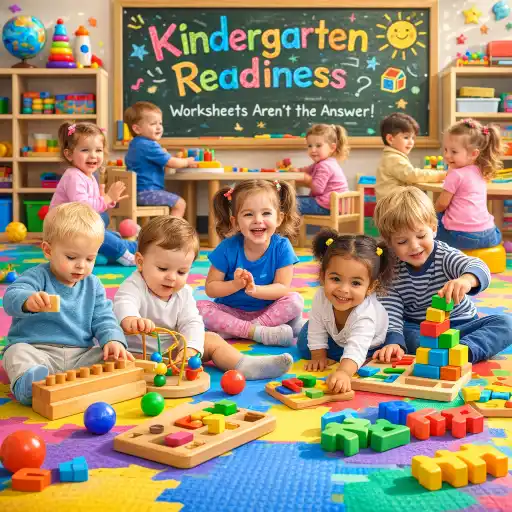
Why does this matter for my program and the children I serve?
Why it matters:
2) Focusing only on worksheets narrows learning and cuts out the rich moments where language, thinking, and self-control grow — especially during play. See ChildCareEd summaries on the power of play-based learning and practical classroom ideas in How Play-Based Learning Shapes Development.
What skills matter most for kindergarten readiness?
Focus on five practical domains. These are stronger predictors of classroom success than early worksheet practice.
- #play and social skills — sharing, taking turns, role play, and following simple group rules. Play builds language and self-control (ChildCareEd: Power of Play).
- #literacy and language — talking in sentences, hearing rhymes, knowing some letters, and enjoying books (see Ready, Set, Kindergarten!).
- #motor skills — both fine motor (crayons, scissors) and gross motor (running, balance) so kids can hold a pencil and join playground games (Motor Skills).
- #independence — toileting, dressing, opening snack containers, and following 2-step directions (shared in Kindergarten Readiness Checklist).
- #social-emotional skills — naming feelings, calming strategies, and asking for help when needed (CDC milestone guidance: Milestones by 4 Years).
How can we build these skills without relying on worksheets?
Use play, routines, and short targeted moments. Here are classroom-ready steps you can use tomorrow.
- 😊 Create 3 long blocks of time: free play, guided small groups, and outdoor active play. Longer play helps ideas deepen (guided play research).
- 🧩 Set up learning zones with open-ended materials: blocks, dress-up, books, and loose parts. Rotate materials weekly to renew interest (playful learning).
- 🙂 Use short guided prompts during play: ask one open question to stretch thinking (“How can we make this bridge stronger?”). Guided play keeps the child in charge while moving learning forward.
- 🏃 Add short motor stations: jumping, balance beams, and fine-motor trays with tweezers or beads to strengthen #motor and hand skills (motor strategies).
- 📚 Make literacy part of routines: 1–2 minute rhyme time during transitions, label shelves, and read aloud daily. Small, repeated moments beat long drills (home literacy tips).
How can we partner with families and avoid common mistakes?
Families are vital partners. Give them short, doable ideas and celebrate small wins. Keep communication simple and kind. Consider using community events like National Kindergarten Day (April 21) as a family-friendly way to celebrate the joy of play and ease the transition to school.
- 📣 Share a one-page checklist or a short video showing a 2-minute read-aloud or counting game. ChildCareEd offers parent-facing materials like the Kindergarten Readiness Checklist.
- 🤝 Encourage this 3-step home routine: morning talk, snack counting, bedtime story. Short routines add up.
- ⚠️ Common mistakes and fixes:
- ❌ Rush play — Fix: protect 30–60 minute play blocks.
- ❌ Overuse worksheets — Fix: replace with hands-on, meaningful tasks tied to skills.
- ❌ One-size-fits-all goals — Fix: observe, personalize goals, and use simple screenings (CDC milestones) when concerned.
- 📘 Offer staff training: consider sessions like Are They Ready for Kindergarten? Buy Now $35.00 or ChildCareEd courses on play and readiness to boost teacher confidence and consistency.
- 🔎 If concerns arise, use developmental monitoring and screening: the CDC explains when and how to act early (Developmental Monitoring and Screening).
Summary
Kindergarten readiness is about the whole child — language, #play, #social skills, #motor control, and #independence — not stacks of worksheets. Use play-based routines, short guided questions, family partnerships, and staff training to build deep learning that lasts. For quick resources and classroom ideas, see ChildCareEd's guides on play and readiness like The Power of Play and the practical checklist at What Should Parents Include on a Kindergarten Readiness Checklist?. State requirements vary - check your state licensing agency.
FAQ
- Q: How long should play time be? A: Aim for at least one uninterrupted 30–60 minute block each day when possible; add shorter play breaks too (research summary).
- Q: Do children need to read before kindergarten? A: No. Most teachers expect letter knowledge and rhymes, not fluent reading. Encourage shared reading and talk (Ready, Set, Kindergarten!).
- Q: What if parents ask for more worksheets? A: Share how play builds the same skills (language, self-control, early math) and show examples from your classroom (evidence).
- Q: When should we screen or refer? A: If a child misses multiple age-expected milestones or loses skills, talk with the family and suggest screening. Use CDC guidance for next steps (CDC milestones).
- CDA Certification en Español: Recursos y Consejos para Educadores Bilingües
- Ready, Set, Kindergarten!
- Recursos en Español sobre el Sueño Seguro del Bebé
- What Skills Really Matter for Kindergarten Readiness (and Why Worksheets Aren't the Answer)?
- ¿Cómo puedo usar escenarios de juego de roles de primeros auxilios en mi aula?
- Cómo Celebrar el Día Nacional del Kindergarten
- Temas y Actividades para el Día Nacional del Kindergarten para Proveedores
- Can play-based learning and academic readiness work together for New York educators?
- Celebrando la amistad en el cuidado infantil durante el Día de los Mejores Amigos
- What Kindergarten Readiness Skills Do Children Need?
- What Kindergarten Readiness Skills Should My Program Build?
- Why Does Self-Regulation Matter More Than ABCs for Minnesota Kindergarten Readiness?
- How can child care programs build strong readers before kindergarten?
- How Can Preschool Programs Best Prepare Children for Kindergarten?
- Is Your Child Ready for Kindergarten? A Kindergarten Readiness Checklist
- Is My Preschooler Ready for Kindergarten? Milestones Beyond ABCs and 123s
- How Can Child Care Programs Build Meaningful School Readiness?
- How Can Teachers Support Children Starting Kindergarten This Fall?
- What Should a 5-Year-Old Know Before Kindergarten?
