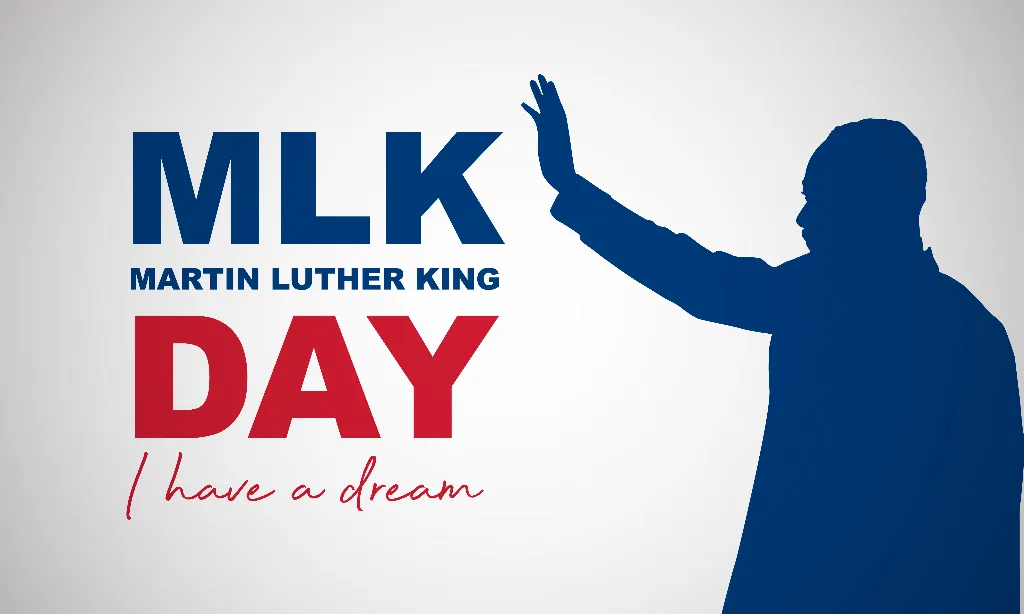
 Martin Luther King Jr. Day is a good time to help young children learn about kindness, fairness, and caring for others. Child care providers and directors can use simple, hands-on activities to teach these ideas in a way that feels safe, playful, and meaningful. These ideas work well for preschool, pre-K, and kindergarten classrooms. #kindness #empathy #preschool
Young children learn best by doing. That is why short stories, art projects, songs, and small acts of kindness work so well. With the right activities, children can begin to understand Dr. King’s message in ways that match their age and stage of learning.
A helpful place to start is this ChildCareEd resource:
Martin Luther King Jr. Day Activities Buy Now $0.00
Why is it important to teach children about Martin Luther King Jr. Day?
Teaching about Dr. King helps children begin to understand fairness and community. It also helps them practice respect, empathy, and kindness in everyday life. These are big ideas, but young children can start learning them through simple examples like sharing, helping, and using kind words.
When teachers keep the message clear and age-appropriate, children can connect it to their own classroom life. They may not understand history in a deep way yet, but they can understand ideas like:
-
Everyone should be treated fairly
-
Kindness matters
-
We can help others
-
Our classroom should be a caring place
These lessons help build a classroom where every child feels safe, included, and valued. #community
How can I introduce Martin Luther King Jr. in a child-friendly way?
The best way to introduce Dr. King is to keep it simple. Use one clear message: everyone deserves kindness and fairness.
You can start with a short picture book, a classroom conversation, or a simple question like, “How can we be kind like Dr. King?” Let children answer with words, pictures, or both.
Here are a few easy ways to begin:
-
Read a short picture book about Dr. King or kindness
-
Show a photo and talk about helping others
-
Make a class “dream” poster with children’s drawings
-
Use simple words like fair, kind, help, and friends
Repeat the same message during circle time, art, and play. That helps children remember the idea all day long.
For more printable ideas, use the ChildCareEd Martin Luther King Jr. Day activities page:
Martin Luther King Jr. Day Activities Buy Now $0.00
What hands-on activities work best for preschool and kindergarten?
Hands-on activities are one of the best ways to teach young children. They make learning feel active and fun.
Here are some simple ideas that work well in early childhood settings:
-
Dream collage: Children cut or glue pictures of things they dream about, like friends, books, parks, or happy homes.
-
Paper hand chain: Trace children’s hands on paper, decorate them, and write one kind action on each hand. Link them into a classroom chain.
-
Earth and heart art: Children make a picture of the world with hearts or handprints to show love and fairness.
-
Songs and movement: Teach a song like “This Little Light of Mine” and add clapping or swaying.
-
Kindness drawing: Ask children to draw a picture of someone being kind.
These activities are easy to set up and give children many ways to join in. Some children may like talking. Others may prefer drawing, painting, or moving with music. #community #kindness
For additional activities, crafts, and simple community service projects you can use with preschool and kindergarten classes, see our MLK Activities.Keep activities short. Ten to twenty minutes is often enough for young children.
How can I teach kindness and service in a simple way?
Martin Luther King Jr. Day is also a chance to practice helping others. For young children, service should be small, concrete, and easy to understand.
Here are a few child-friendly ideas:
-
Make thank-you cards for helpers like custodians, bus drivers, or mail carriers
-
Color kindness postcards for neighbors or a local nursing home
-
Collect a few canned goods or hygiene items with families
-
Plant seeds or help clean up the playground
-
Donate gently used books to another classroom or family center
When you explain the activity, keep the message short. You might say, “We help others because kindness matters,” or “Dr. King wanted people to care for each other.”
Small acts of kindness help children feel proud and connected. They also show that even young children can make a difference.
How can I adapt MLK Day activities for all learners?
Not every child learns the same way, so it helps to offer simple choices. One child may want to draw. Another may want to use stickers. Another may want to talk while the teacher writes down the child’s words.
Try these easy adaptations:
-
Offer drawing, gluing, stamping, or dictating as choices
-
Use pictures to show activity steps
-
Keep directions short and clear
-
Break long projects into smaller parts
-
Add movement breaks between activities
-
Repeat one main word often, like kindness or fairness
This makes the lesson more inclusive and helps every child take part.
What common mistakes should providers avoid?
A few common mistakes can make the lesson less meaningful. The good news is they are easy to fix.
-
Making the activity too long: Keep it short and simple
-
Using too many hard words: Focus on one or two easy ideas
-
Turning it into busy work: Connect the craft or printable to a short discussion
-
Skipping the meaning: Always explain why the activity matters
-
Doing only one type of activity: Mix art, stories, music, and movement
The goal is not to do the fanciest project. The goal is to help children understand kindness, fairness, and community in a way they can remember.
Where can I find more helpful resources?
Related courses
-
Diversity, Equity, and Inclusion in Education
https://www.childcareed.com/courses-diversity-equity-and-inclusion-in-education.html Buy Now $25.00
This fits well because it focuses on inclusion, equity, and classroom practices that help children feel valued and respected. -
Building Equity: Inclusionary Practices in Preschool
https://www.childcareed.com/courses-building-equity-inclusionary-practices-in-preschool-3941.html Buy Now $10.00
This is a good match for preschool classrooms because it centers on practical inclusion strategies in daily activities. -
Strength in Differences: Cultural Diversity
https://www.childcareed.com/courses-strength-in-differences-cultural-diversity.html Buy Now $24.00
This course connects nicely to MLK Day themes by helping providers build culturally responsive, respectful environments.
Related articles
-
Kindness is King: Teaching MLK’s Principles Through Acts of Kindness
https://www.childcareed.com/a/kindness-is-king-teaching-mlk-s-principles-through-acts-of-kindness.html
This is probably the best direct companion article because it connects MLK’s message to classroom kindness activities. -
Teaching Kindness in the Classroom
https://www.childcareed.com/a/teaching-kindness-in-the-classroom.html
This works well if you want a broader article about empathy, compassion, and kind classroom culture. -
How Can We Teach Empathy, Kindness, and Cooperation Through Daily Routines?
https://www.childcareed.com/a/how-can-we-teach-empathy-kindness-and-cooperation-through-daily-routines.html
This is a strong add if you want to tie MLK Day ideas into everyday classroom practice.
- 45 Hour Child Growth and Development
- Balancing Physically Active Play in Child Care
- 45 Hour Preschool Methods and Materials
- Bienvenido! Welcoming All Families
- Engaging Indoor Activities for Inclement Weather
- Injury Prevention: Their Safety Is In Your Hands
- 45 Hour Infant and Toddler Methods and Materials
- Texas Director Credential
- Balancing Active Play in Child Care
- What is Shavuot, Eid al Adha & Juneteenth
- Kindness is King: Teaching MLK’s Principles Through Acts of Kindness
- Dream Big, Little One: Exploring MLK’s Legacy Through Stories and Play
- 10 Fun and Engaging Ways to Teach Kids About Black History Month!
- CDA Certification en Español: Recursos y Consejos para Educadores Bilingües
- ⏰ Cómo puedo facilitar las transiciones y las rutinas diarias en mi aula?
- Creative Martin Luther King Jr. Day Activities for Preschool, Pre-K, and Kindergarten
- Cómo usar tu certificación de 90 horas en Maryland para completar tu CDA
- ¿Qué Calificaciones Necesitas para Trabajar en Cuidado Infantil?
- ¿Cuáles son las mejores actividades del Día de la Tierra para niños en casa o en el aula?
- Actividades de Motricidad Gruesa que Desarrollan el Equilibrio, la Coordinación y la Fuerza
- Actividades de Fiesta para Niños de Preescolar y Primaria
- Cómo Celebrar el Día Nacional del Kindergarten
- Temas y Actividades para el Día Nacional del Kindergarten para Proveedores
- Cómo Ser Maestra de Preescolar en Illinois
- Las Mejores Ideas de Excursiones para Guarderías en Georgia
- Calabazas, hojas y manzanas: actividades de otoño para preescolares
- Celebrando la amistad en el cuidado infantil durante el Día de los Mejores Amigos
- Celebrating Differences: Diversity Activities for Preschoolers
- ¿Qué habilidades preceden al recorte y cuándo deben aprender los niños a usar tijeras?
