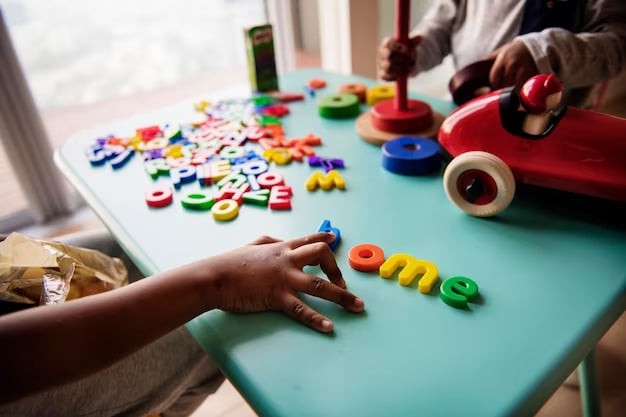
The Power of Play: How Play-Based Learning Shapes Development
In an era where academic achievement often takes precedence, the importance of #play in #early-childhood-education is frequently underestimated. Yet, play is not just a source of entertainment; it is a fundamental aspect of children's #development that lays the groundwork for lifelong learning. Through play, children explore their environment  Buy Now $24.00, develop critical thinking skills, and foster social connections. This article delves into the transformative power of play-based learning, highlighting its essential role in nurturing creativity, problem-solving abilities, and emotional intelligence. By understanding the myriad benefits of play, #educators and caregivers can create supportive learning environments that not only enhance children's educational experiences but also cultivate a genuine love for learning. As we explore the various dimensions of play-based learning, we will uncover its significance, types, and effective strategies for implementation in #early-childhood education settings.
Play-Based Learning
Play-based learning Buy Now $24.00, an educational approach that integrates play into the learning process, allowing children to explore and learn through guided play. This method has been shown to enhance essential skills such as #math and spatial awareness. Play-based learning emphasizes the significance of play as a primary method for children to develop cognitive, social, emotional, and physical skills. It encompasses various types of play, including #free and guided play, and highlights its importance in early childhood education.
Benefits of Play-Based Learning
Play-based learning offers numerous advantages that contribute to a child's overall development:
-
Cognitive Development: Engaging in play
Buy Now $24.00 helps children develop critical thinking and problem-solving skills. Through exploration and experimentation, they learn to navigate challenges and understand cause-and-effect relationships. -
Social Skills: Play provides a platform for children to interact with peers, fostering collaboration, negotiation, and conflict resolution. These interactions are crucial for developing #empathy and communication skills.
-
Emotional Growth: Play allows children to #express their feelings and understand the emotions of others. This emotional intelligence is vital for building #healthy relationships throughout life.
-
Physical Development: Many play activities promote physical health by enhancing fine and #gross-motor skills. Activities like climbing, jumping, and manipulating objects contribute to overall physical fitness.
Types of Play in Play-Based Learning
Play-based learning can be categorized into two main types: free play and guided play Buy Now $24.00.
-
Free Play: This type of play is child-directed and voluntary, allowing children to explore their interests without specific goals. It often involves imaginative scenarios where children can role-play and enact various situations.
-
Guided Play: In this approach, #teachers provide structure and support while allowing children to #lead their learning. This can include:
- Inquiry Play: Children initiate #play-based on their interests, while teachers ask probing questions to deepen understanding.
- Collaboratively Designed Play: Teachers and #students work together to create play scenarios, ensuring that learning objectives are met while maintaining child autonomy.
- Playful Learning: This involves embedding specific academic skills within #playful contexts, such as using games to teach #math-concepts.
Implementing Play-Based Learning
To effectively incorporate play-based learning in educational settings, educators can consider the following strategies:
-
Create a Play-Friendly Environment: Classrooms should be equipped with diverse materials
Buy Now $10.00 that encourage open-ended play, such as blocks, art supplies, and #sensory bins. -
Follow the Child's Lead: Teachers should observe and engage with children’s interests, allowing them to guide their play experiences.
-
Provide Unstructured Playtime: While structured activities are important, ample unstructured playtime
Buy Now $10.00 is essential for fostering creativity and exploration. -
Encourage Outdoor Play: Outdoor environments offer unique opportunities for sensory experiences and physical activity, which are vital for holistic development.
-
Limit Screen Time: Reducing screen time can enhance opportunities for active, imaginative play, promoting healthier #developmental outcomes.
By recognizing and implementing the principles of play-based learning Buy Now $10.00, educators can create enriching environments that foster curiosity, creativity, and a lifelong love of learning in children.
#free-play
#gross-motor-skills
- 45 Hour Child Growth and Development
- The Best Promotion is Play
- The Best Promotion is Play
- Play with Purpose: Supporting Children with Autism
- Creating Environments that Nurture Growth and Community
- Texas Director Credential
- CDA Infants/Toddlers: Brain Development and Gene Expression
- CDA Infants/Toddlers: Stages of Development
- CDA Home Visitor Subject Area 8 Part 1 Birth to 5
- The Power of Play
- The power of Imagination: How to add it to your classroom
- 🌟How Can Playtime Build Bright Minds? The Power of Learning Through Play in Early Childhood
- 😫🧸 ¿Qué hacer cuando un bebé no quiere dormir la siesta en el aula?
- What Skills Really Matter for Kindergarten Readiness (and Why Worksheets Aren't the Answer)?
- 10 Ejemplos de Cómo la Cultura Influye en el Desarrollo Infantil
- How can I teach colors, shapes & numbers through play in Michigan classrooms?
- Canciones, juegos y preguntas de círculo para niños
- Child Development for Teachers: Supporting Growth in the Classroom
- What Does Toy Story 5 Teach Us About the Power of Imaginative Play?
- What Makes a Great Home Daycare? 10 Things Parents Notice First
- How Can Child Care Providers Support Healthy Brain Development in Young Children?
- What Makes Task Cards Perfect for Small-Group Instruction?
- How Can Child Care Providers Use Learning Styles Responsibly in Early Childhood Classrooms?
- What Should a 3-Year-Old Be Learning at Preschool?
- How Can Listening and Movement Games Build Children’s Shape Recognition?
- How Often Should You Rotate Preschool Learning Centers?
- How Can Preschool Bingo Build Reasoning Beyond Naming Shapes?
- How Can Screen-Free After-School Choices Engage Children Who Prefer Devices?
