Introduction
This article answers one big question: what should parents put on a simple, clear #kindergarten readiness checklist? Child care providers and directors can share this with families so parents feel confident and calm.
Why it matters: When children enter school ready, they learn faster, make friends more easily, and have a smoother day in class. Research shows that social and emotional skills are just as important as learning letters and numbers (see Developmental Milestones Checklist Buy Now $0.00 and the CDC milestones at CDC Milestones).
Keep in mind: state requirements vary - check your state licensing agency.
1) What are the main items to check before kindergarten?
Use this short checklist to help families see progress. Share it with parents and have them mark off items their child can do. The focus below balances thinking skills, independence, and everyday tasks.
- 🔹 Academic basics
- Recognize most letters and some letter sounds.
- Know numbers 1–10 and can count objects (see letter and number guidance from Scholastic).
- Hold a book and turn pages; say simple rhymes.
- 😊 Self-help and #independence
- Use the toilet independently; wash hands.
- Put on coat, zip or use easy fasteners, open lunch items.
- Carry and hang a backpack.
- 🔸 Social-emotional and classroom skills
- Wait turns, follow 2-step directions, and join group activities.
- Comfortably separate from caregivers for short times.
- 🔍 Motor and fine-motor skills
- Hold crayon between fingers, cut with scissors, and manage small tasks (refer to a pre-writing checklist like Pre-Writing Skills Checklist).
2) How can families practice readiness at home?
Parents can fit practice into daily life. Simple, short moments build big skills. Offer these 1–2 minute ideas to families and they can try them each day.
- 🟢 Reading routines
1. Read together daily. 2. Ask the child to point to letters or pictures. 3. Pause and let them predict what happens next. Scholastic encourages a weekday reading habit that grows language skills (Scholastic).
- 🟡 Play and count
1. Count snacks, steps, or toys out loud. 2. Sort laundry by color or shape. 3. Use games like I SPY to name shapes and colors.
- 🔵 Everyday independence practice
1. Let the child open easy containers during snack time. 2. Practice zipping coats and hanging backpacks. 3. Praise effort to build confidence (see tips on fostering independence at Supporting Children's Independence
 Buy Now $24.00).
 - 🟣 Social practice
1. Arrange short playdates. 2. Play turn-taking games like Simon Says. 3. Role-play asking for help or saying "Can I have a turn?"
3) How can childcare providers support parents with checklists and training?
Providers can be a calm guide. Share clear checklists, host short workshops, and point parents to trusted resources. Here are practical steps you can offer.
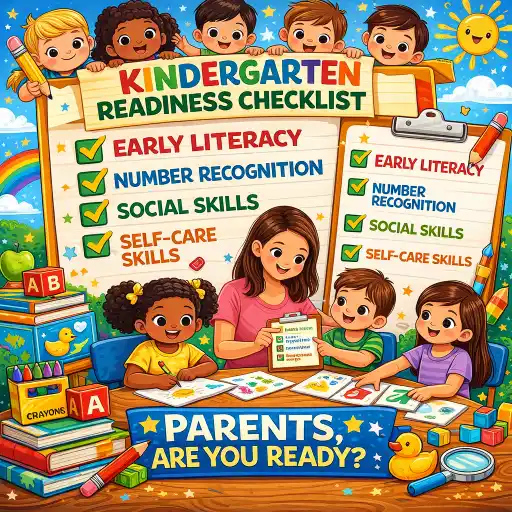
- 📘 Share a printable checklist
1. Use a simple one-page checklist families can take home. ChildCareEd offers resources like the Developmental Milestones Checklist Buy Now $0.00 and training on readiness (Are They Ready for Kindergarten? Buy Now $35.00).
- 🎓 Offer short trainings for parents
1. Run a 30–60 minute session on independence skills and what teachers expect. 2. Show quick activities families can do at home.
- 🧩 Suggest classroom-like practice
1. Invite parents to observe circle time or a scavenger hunt activity (see classroom ideas at A Scavenger Hunt in the Classroom Buy Now $0.00).
- 🔗 Connect to screening and referral info
1. Point families to the CDC checklist (CDC Milestones) and local early intervention if concerns appear. Remind them that state requirements vary - check your state licensing agency.
4) When should parents or providers be concerned and what are next steps?
Most children develop at their own pace, but early action helps. Use these signs and steps to guide families and staff.
- ⚠️ Watch for red flags
1. Little or no speech by age 3 or loss of skills. 2. Trouble following simple directions at ages expected for kindergarten. 3. Extreme anxiety that stops participation in activities. The CDC explains milestones and when to act at Learn the Signs. Act Early.
- ✔️ Quick steps to take
1. Talk with parents and the child’s doctor. 2. Use a formal screening tool or recommend one. 3. If concerned, refer to early intervention or specialist services. ChildCareEd lists resources and training on assessment and readiness (Define basic skills).
- 🛡️ How to avoid missing things
1. Keep records of observations. 2. Check progress over 2–4 weeks before deciding. 3. Communicate kindly with families and offer simple home practice ideas.
Common mistakes and how to avoid pitfalls
- ❌ Mistake: Focusing only on academics. ✅ Fix: Emphasize social skills, routines, and self-care (see emotional development research at Young children's emotional development).
- ❌ Mistake: Using long, confusing checklists. ✅ Fix: Give parents a one-page checklist and simple daily ideas.
- ❌ Mistake: Waiting to act on concerns. ✅ Fix: Encourage early screening; the CDC and local programs can help.
FAQ
- Q: Does a child need to read before kindergarten? A: No. Most kindergarten teachers expect children to know letters and rhymes, but not read fluently. Reading aloud at home helps a lot (Scholastic).
- Q: How long should parents practice each day? A: Short, regular bursts (10–15 minutes) work best—many small practices beat one long session.
- Q: Who do I contact if I’m worried about a child’s development? A: Start with the child’s pediatrician and your state early intervention program. Also use the CDC milestone checkers (CDC).
- Q: Should providers hold parent workshops? A: Yes. Short, practical sessions build parent confidence and improve outcomes (Supporting Children's Independence Buy Now $24.00).
Conclusion
Use this simple, balanced checklist to help families focus on what matters: learning, #skills, and #independence. Providers can support parents with short trainings, printed checklists, and links to resources like ChildCareEd’s checklist Buy Now $0.00 and the CDC milestones. Small steps at home and school make a big difference. Remember: state requirements vary - check your state licensing agency.
Five words to keep front and center: #kindergarten #readiness #parents #skills #independence.
- CDA Home Visitor Subject Area 3 Part 3 Birth to 5
- Lesson Planning for Preschoolers
- CDA Home Visitor Subject Area 2 Part 3 Birth to 5
- 45 Hour School Age Methods and Materials
- Are They Ready for Kindergarten?
- Texas Director Credential
- Bridging Cultures: Family Communication & Collaboration
- Supporting Children's Independence
- Child Care Professionals
- CDA Certification en Español: Recursos y Consejos para Educadores Bilingües
- Ready, Set, Kindergarten!
- What Skills Really Matter for Kindergarten Readiness (and Why Worksheets Aren't the Answer)?
- Lista para Guardería en Casa en California: Cómo Iniciar una Guardería en el Hogar
- Retraso del Habla en la Guardería: Cómo Pueden Ayudar los Proveedores
- How can we prepare preschoolers for kindergarten success?
- Kindergarten Readiness Checklist for Preschool Teachers and Parents
- What Kindergarten Readiness Skills Do Children Need?
- How can Florida educators build strong foundations for infants, toddlers and K–3 readiness together?
- What Kindergarten Readiness Skills Should My Program Build?
- How can we prepare children for the transition to kindergarten in New York?
- How can we best prepare preschool children for kindergarten?
- How can preschool programs best prepare children for kindergarten?
- Is Your Child Ready for Kindergarten? A Kindergarten Readiness Checklist
- Is My Preschooler Ready for Kindergarten? Milestones Beyond ABCs and 123s
- How Can Child Care Programs Build Meaningful Kindergarten Readiness?
- How Can Teachers Support Children Starting Kindergarten This Fall?
- What Should a 5-Year-Old Know Before Kindergarten?
