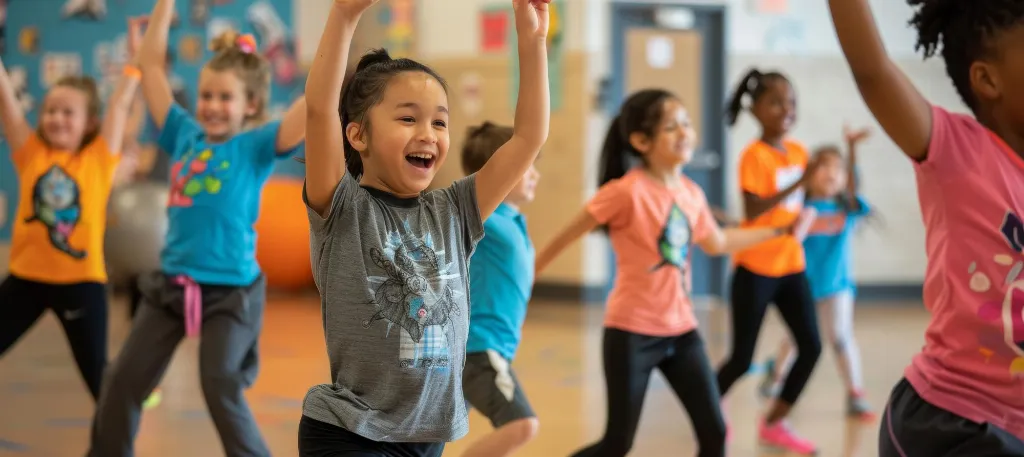
 Young children need to move to learn. This short guide gives easy, safe, and fun gross motor games you can use tomorrow with your #preschoolers. You’ll find simple games, safety tips, ways to include every child, and ideas for fitting short movement breaks into a busy day. For more ready-to-use lists, see 10 Gross Motor Games and the printable resource Gross Motor Games for Preschoolers Buy Now $0.00.
What simple games can I try today to build #grossmotor skills?
Try 1–2 of these games during free time or transitions. Each game is low-prep and fits a small indoor or outdoor space. For more step-by-step ideas and printable plans, check Gross Motor Activities for Preschoolers.
🟢 Snowball Toss: Crumple paper or use soft balls. Place baskets at different distances. Let children aim and cheer each other on.
🔵 Tape Stepping Stones: Put painter’s tape shapes on the floor. Call out colors or numbers to step on. Great for balance and planning.
🐾 Penguin Waddle Relay: Hold a beanbag between knees and waddle to a cone and back. Build core strength and focus.
🎶 Freeze Dance: Play music; when it stops, children freeze. Use themes like animals or weather for extra fun. (See indoor ideas at Winter indoor gross motor games.)
⚽ Balloon Keep-Up or Ball Toss: Keep a balloon in the air or toss a soft ball to targets for hand-eye coordination.
🏃 Obstacle Course: Use cushions, chairs, and tape lines for crawl, jump, balance, and toss stations. ChildCareEd has example courses in 10 Gross Motor Games and the resource Gross Motor Games for Preschoolers Buy Now $0.00.
How do I keep movement time safe and inclusive for every child?
Safety and inclusion help everyone enjoy active play. Use this short checklist and easy adaptations to include children with different abilities.
- Clear the area: move chairs and small toys out of the way. Mark a movement zone with painter’s tape.
- Teach one stop signal: a clap, bell, or the word “Freeze!” so children know to stop immediately.
- Demo each activity so children can copy your body first. Young children learn by watching.
- 🔶 Adapt for ability: offer two choices (e.g., hop OR step). Use bigger balls, shorter distances, or seated versions for children who need them. ChildCareEd offers adaptation tips in Gross Motor Activities That Build Balance, Coordination, and Strength.
- 🔷 Supervision plan: stand where you can see everyone and rotate adults if the group is large.
- 📋 Safety note: state requirements vary - check your state licensing agency.
Common mistakes to avoid:
- ❌ Making activities too hard—start simple and add one challenge at a time.
- ❌ Long lines—use stations or small groups so kids stay moving.
- ❌ One-size rules—give choices so all children can succeed.
How do games help children get ready for school and grow skills like #balance and #movement?
Gross motor games are more than exercise. They build skills children need for school and daily life. Here’s how:
For a deeper look at the benefits of physical activity and practical ways to promote active play in early childhood settings, see Let’s Get Physical!.
Physical skills: Running, jumping, and balancing strengthen legs, core, and coordination. These help children sit upright, climb, and use playground equipment safely.
Cognitive skills: Games with steps (like an obstacle course) build motor planning—children learn to think ahead about what to do next. Short movement bursts also improve attention for circle time.
Social skills: Relays and group games teach turn-taking, sharing, and cheering peers. That builds confidence and cooperation.
School readiness links: The CDC notes that activity supports healthy growth and that young children should be active throughout the day (CDC child activity guidelines). Read Gross Motor Activities for Preschoolers.
Simple ways to notice progress: keep a short checklist (balance on one foot for 5 seconds, hop five times, catch a beanbag). Celebrate effort, not just perfect success.
How can I fit short #play movement breaks into a busy day without losing learning time?
You don’t need a long block of time. Short bursts repeated through the day work best and match health guidance. Try this easy plan and adapt to your schedule.
- Morning warm-up (5–10 minutes): Tape Stepping Stones or Animal Walks to wake up muscles.
- Before circle time (2–3 minutes): Freeze Dance to reset attention.
- Transition breaks (1–3 minutes each): Quick balloon keep-up or Simon Says when children are moving between centers.
- Outdoor block (15–30 minutes): Free play with balls or obstacle course when possible.
- Calm-down (3–5 minutes): Stretching, deep breaths, or Yoga “twinkle” poses to finish active time.
Example weekly rotation (mix these):
- Monday: Tape balance + Throw & Catch
- Wednesday: Obstacle course + Balloon games
- Friday: Alphabet action cards + Freeze Dance
Use music, timers, and kid jobs (line leader, cone helper) to keep transitions smooth. For more lesson ideas you can use right away, see Gross Motor Games for Preschoolers Buy Now $0.00.
Conclusion & FAQ
Little, regular movement helps children grow strong, steady, and ready to learn. Keep games short, safe, and fun. Adapt so each child succeeds, and celebrate effort.
FAQ (quick answers):
- Q: How long should breaks be? A: 1–10 minutes; several times a day works best.
- Q: What if space is small? A: Use tape lines, balloon games, or seated marches—many games fit small areas.
- Q: How do I include children with mobility needs? A: Offer seated options, visual supports, and buddy models. Adapt distance and equipment.
- Q: When should I be concerned about development? A: If a child is far behind peers in walking, balance, or catching, note observations and consider a referral. The CDC’s milestone tools can help (Learn the Signs. Act Early.).
- Q: Where to find ready plans? A: ChildCareEd has printable games and lesson plans such as Turkey Trek Trot Buy Now $0.00 and other classroom resources.
You’re doing meaningful work. Small, playful movement adds up to big skill gains. Keep it joyful and repeat often—children will surprise you with how much they grow.
- CDA Home Visitor Subject Area 3 Part 3 Birth to 5
- CDA Home Visitor Subject Area 2 Part 3 Birth to 5
- CDA Infants/Toddlers: Health and Safety
- Birth to Five CDA Credential with Portfolio Review
- CDA Infants/Toddlers: Abuse and Neglect Reporting Requisites
- Emergent Learning & Development
- 45-Hour Infant and Toddler Curriculum
- CDA Infants/Toddlers: Classroom Setup
- CDA: Stand With Respect and Professionalism
- Indoor and Outdoor Activities
- Ready, Set, Kindergarten!
- What Skills Really Matter for Kindergarten Readiness (and Why Worksheets Aren't the Answer)?
- Actividades de Motricidad Gruesa que Desarrollan el Equilibrio, la Coordinación y la Fuerza
- National Kindergarten Day Themes and Activities for Providers
- Gross Motor Games for Preschool and Kindergarten
- Can simple indoor movement games teach listening and cooperation to preschoolers in Oklahoma?
- How can we prepare preschoolers for kindergarten success?
- Animal Races for Kids: Fun Movement Activities
- How can we help children reach new heights—from the Space Needle to the preschool classroom?
- How can Florida educators build strong foundations for infants, toddlers and K–3 readiness together?
- What Kindergarten Readiness Skills Should My Program Build?
- How can Michigan preschool programs build strong fine and gross motor skills?
- How can music and movement help New York preschoolers?
- How can I build gross motor skills indoors and outdoors for the children in my program?
- Can simple soccer games build gross motor skills in young children?
- How can we host a Daycare Mini Olympics that builds movement and teamwork?
- Can Screen-Free Board and Movement Games Help Young Children Learn and Stay Calm?
- How can I keep Children Active Indoors On Cold Days?
- Is My Preschooler Ready for Kindergarten? Milestones Beyond ABCs and 123s
