Introduction
This article gives short, kind scripts and steps teachers can use when a child hits, pushes, or shows other #aggression in a preschool room. It also explains what to teach after the moment so children learn new skills. Why this matters: when adults respond calmly and clearly, children feel #safe, learn social skills, and try the right behaviors more often. These ideas come from practical child care guidance and trainings like ChildCareEd's articles and courses.
Why it matters:
- Children learn best in calm, connected classrooms.
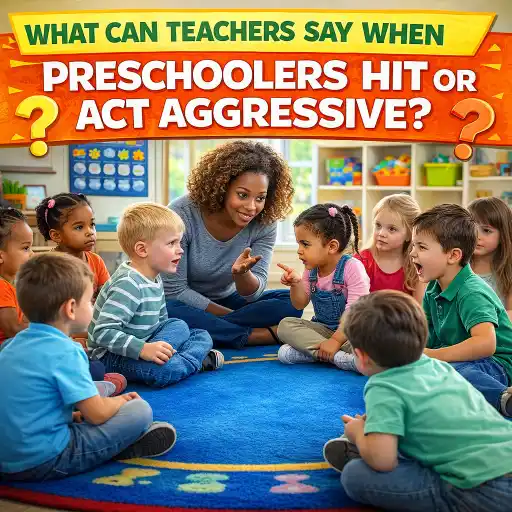
- Short, clear adult responses protect dignity and teach skills.
- Teaching replacement skills reduces repeated incidents and keeps everyone safer.
For in-the-moment scripts and guidance see ChildCareEd's practical post on handling aggressive behavior: How can preschool teachers handle aggressive behavior?.
What can I say in the moment to stop hitting and keep everyone safe?
When a hit happens, use a calm, firm voice and very short sentences. Your goals are: keep children safe, name the behavior, care for the hurt child, and briefly teach a replacement. Try this six-step script:
- 🔒 Safety first: Move between the children or gently block the action. Protect, don’t scare.
- 🗣️ One clear limit: "Hands are for gentle touch. Hitting hurts."
- 🤕 Care for the hurt child: "You are okay? I will help." Attend to them first.
- ➡️ Short redirection for the child who hit: "You hit. Hitting hurts. Come sit here to calm down."
- 🔁 Give a quick replacement: "Use gentle hands" or "Say, 'Stop please.'" — say only one idea.
- ⏱️ Later, teach more when the child is calm (long talks don’t work in the crisis).
Use neutral words and avoid shaming. For detailed scripts about biting and similar incidents, ChildCareEd's guide "What Should I Say to a Child Who Just Bit Someone?" offers examples you can adapt: What Should I Say to a Child Who Just Bit Someone?.
How can I teach replacement skills so hitting stops happening again?
Stopping the hit is step one. Teaching replacements is step two. Teach one small skill at a time and practice it often. Use these steps:
- 🎯 Pick one clear skill (e.g., "gentle hands", "use words", "ask for a turn").
- 📚 Teach during calm times: role-play, show pictures, read a short story about feelings (use books and scripted stories from CSEFEL: CSEFEL Practical Strategies).
- 🧩 Change the room to prevent triggers: extra popular toys, clear play areas, and movement breaks reduce fights.
- 🌟 Catch them being good: Describe the skill when you see it. "I saw you use gentle hands — thank you."
- ⏱️ Practice with timers and visuals: First/Then boards, break cards, and cue cards help children wait and follow steps.
Common mistakes and how to avoid them:
- ❌ Long lectures right after the incident. ✅ Fix: Short limit now, teach later when calm.
- ❌ Shaming language like "bad kid." ✅ Fix: Describe behavior, not child.
- ❌ No changes to the environment. ✅ Fix: Observe triggers and adjust toys, space, and schedule.
For quick teacher training you can use in staff meetings, consider ChildCareEd’s course "Ouch! Biting & Hitting Hurts": Ouch! Biting & Hitting Hurts Buy Now $35.00.
How does trauma or stress change how children act, and what should teachers say?
Some children act aggressively because they feel stressed, scared, or overloaded. Remember: behavior is communication. If trauma or big stress is part of a child's story, you will need to focus on safety and regulation first, then teaching. Key steps:
- 🧘 Regulate first: Use calm voices, slow breathing, and a quiet spot so a child can settle before any teaching happens.
- 🤝 Relate: Show warmth and connection — "I’m here with you" — before explaining limits.
- 🔎 Look for patterns: Does hitting happen at loud times, transitions, or when the child is hungry? Track incidents to find triggers.
- 📚 Use trauma-informed language and steps. ChildCareEd's trauma article explains how stress shapes behavior and offers ideas for supports: Trauma and Tantrums.
- 🤝 Partner with specialists when needed and be gentle with expectations — learning regulation takes time.
When trauma may be a factor, avoid punitive threats. Instead use predictable routines, sensory breaks, and simple scripts that keep a child’s dignity intact. If you're unsure about licensing or reporting rules, remember: state requirements vary - check your state licensing agency.
How should teachers work with families and track incidents to stop repeats?
Families are partners. Clear, respectful notes and simple data help you spot patterns and build trust. Use this plan:
- 📋 Track: Use an ABC chart (Antecedent, Behavior, Consequence) to note when hits happen and what led up to them.
- 💬 Talk: Start with strengths, state the facts, and share the plan. Example: "Lena loves blocks. Today she hit during cleanup twice. We're teaching 'gentle hands' and using a 2-minute warning."
- 🤝 Ask about home strategies: "What helps at home when this happens?" Use shared words and steps across settings.
- 📞 When to get extra help: If the behavior is dangerous, frequent, or not improving, involve your director and specialists. Document actions and follow policies.
- 🧾 Make a simple plan: Set 1–3 goals, list supports (visuals, routines, sensory breaks), and name who will do what.
Keep notes professional and kind. ChildCareEd emphasizes partnering with families and creating behavior plans that are clear and positive: How can preschool teachers handle aggressive behavior?.
Conclusion: Quick next steps you can use tomorrow
1) Stay calm and keep everyone safe with a short limit. 2) Comfort the hurt child first. 3) Teach one replacement skill and practice it when calm. 4) Use room design and routines to prevent triggers. 5) Track incidents and involve families. For more training and ready-to-use materials, see ChildCareEd resources like the biting/hitting course and trauma posts linked above.
You do important work. Small, consistent scripts and teaching steps—said with warmth and firmness—help children learn and keep your classroom a safe place for learning. #hitting #preschoolers #teachers #safety #aggression
- CDA Home Visitor Subject Area 3 Part 3 Birth to 5
- CDA Home Visitor Subject Area 2 Part 3 Birth to 5
- CDA Preschool Credential with Portfolio Review
- 45 hour Growth and Development Birth-age 12 ONLINE
- CDA Bridge Bundle: Preschool
- Pediatric RSV First Aid & CPR/AED
- Ouch! Biting & Hitting Hurts
- Baby Steps to Milestones ONLINE
- CDA: A Closer Look at Assessments
- Every Moment Matters: Schedules and Transitions
- CDA Certification en Español: Recursos y Consejos para Educadores Bilingües
- Recursos en Español sobre el Sueño Seguro del Bebé
- Proporciones de Cuidado Infantil y Tamaños de Grupo por Edad en Maryland (Guía Rápida para Centros y Hogares)
- Retraso del Habla en la Guardería: Cómo Pueden Ayudar los Proveedores
- How can New York preschool programs safely handle aggressive behavior?
- Celebrando la amistad en el cuidado infantil durante el Día de los Mejores Amigos
- How should child care providers respond to biting, hitting, and aggressive behavior?
- How to Stop a Child From Hitting Others Without Yelling or Shaming
- Child Keeps Hitting Other Kids? Look for These 7 Patterns Before Reacting
- When a Child Hits Again and Again: What Should Daycare Teachers Try Next?
- Why Are Coping Skills Important for Preschoolers?
- What Are Simple Ways to Build Emotional Regulation in Preschoolers?
- Why Do Young Children Show Challenging Behavior, and What Are They Trying to Communicate?
- How Can Child Care Providers Respond Effectively to Aggressive Behavior?
- What Should Child Care Providers Do When a Child Keeps Hitting, Biting, or Pushing?
- How Can Child Care Providers Handle Difficult Conversations with Parents About Behavior?
- What Should You Do When a Toddler Keeps Hitting at Daycare?
- Why Is My Preschooler Suddenly Aggressive, and How Can Child Care Providers Help?
- What Should a Teacher Do When a Child Keeps Hitting Other Children?
- What Are Positive Guidance Strategies in Early Childhood Education?
