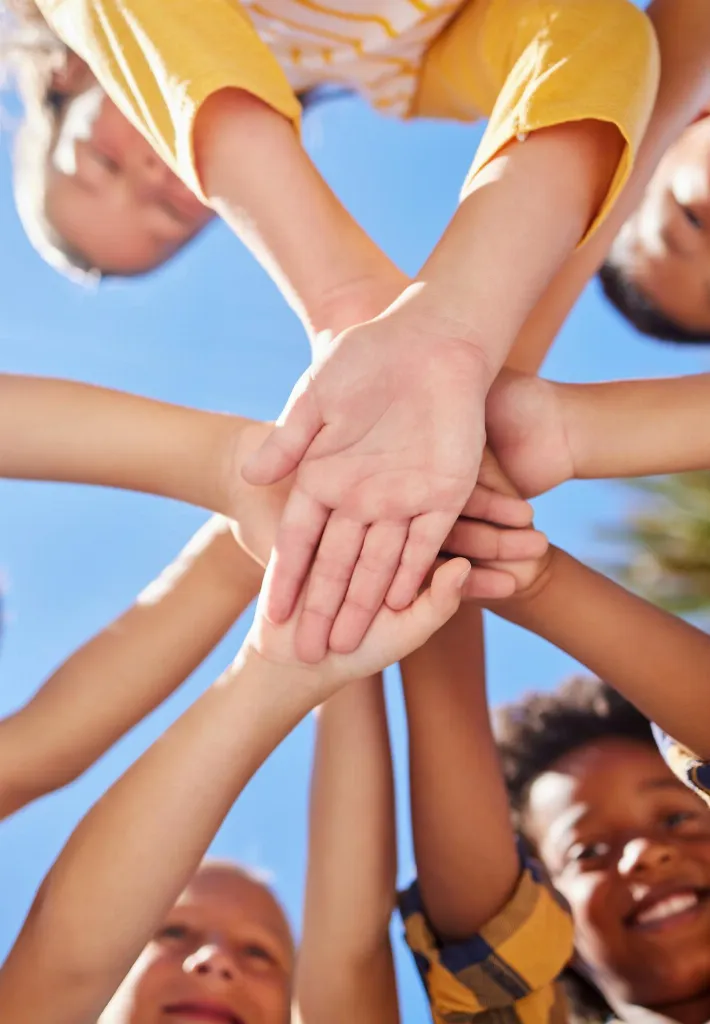
 Children learn with their whole bodies. Simple games that celebrate many cultures help kids feel seen, build social skills, and make learning fun. This short guide gives easy, respectful, and low-cost game ideas you can start using right away in your #childcare or #preschool program.
Use small steps, invite families, and keep participation optional. Also remember: state requirements vary - check your state licensing agency.
What are easy multicultural games I can use today?
Here are quick games that need little prep and work for toddlers through preschoolers. Many ideas come from practical #multicultural resources like Multicultural Games and Activities and the Passport to Fun activities.
- 🟠 Greeting Circle: Teach 3 simple greetings in different #languages (hello, hola, bonjour). Pass a soft ball: the child who holds it practices one greeting.
- 🔵 Music Move: Play a short song from a different region. Ask children to show how their bodies want to move. Use scarves or ribbons for extra fun.
- 🟢 Picture Match: Make a memory game with photos of children, foods, or homes from around the world. Children match pairs and talk about what they see.
- 🔸 Passport Stops: Give each child a paper “passport.” When they try a new game or listen to a story, they get a sticker. This idea is from Passport to Fun.
- 🔹 Story & Prop Relay: Read a short folktale then pass a related prop around. Each child adds one action or sound to continue the tale.
Why these work: they are low-pressure, repeatable, and invite conversation. Use real photos and simple words—avoid costumes that might feel like dressing up a culture. For more ready-made packs and printables, see the Multicultural Classroom Activities Buy Now $0.00 resource.
How do I plan games that are respectful and inclusive?
Planning with respect keeps children safe and curious. Follow these steps, drawn from ChildCareEd guidance on creating inclusive events and celebrating families: Creating Inclusive Events and Celebrate Every Family.
- 🔶 Invite input: Ask families one simple question—Would you like to share a song, photo, or game? Make sharing optional.
- 🔷 Use real photos and stories: Pick books and images that show everyday life, not stereotypes.
- 🔶 Teach with language of care: Say “some families” instead of “everyone from X.” This keeps messages accurate and kinder for young minds.
- 🔷 Keep materials flexible: Offer choices (stickers, drawing, or speech) so children who are shy can still participate.
- 🔶 Mix active and quiet options: Include a calm corner for kids who need a break.
Why it matters: respectful planning builds trust between your program and families and models kindness for children. For practical tips on family involvement, see Creating Inclusive Events. Keep copies of instructions and translation help handy for families whose home languages are different.
How can I involve families and the community without pressure?
Family voices make multicultural play richer. Use small, easy steps so families can join when they want. ChildCareEd suggests low-pressure family involvement in both the Celebrate Every Family article and the Passport to Fun theme.
- 📌 Offer many ways to share:
- ✳️ Send home a short sheet: share a greeting, a photo, or a song title (optional).
- ✳️ Accept drawings if families prefer not to bring photos.
- 📌 Family stations at events: a small table where families can leave a note, object, or recipe card. Label items with the family’s words (with permission).
- 📌 Invite community guests: local storytellers or cultural artists can lead a short game or dance—see community program ideas from ChildCareEd.
- 📌 Share results: make a classroom book of family contributions so children see themselves reflected at school.
Practical tip: schedule short sharing windows or drop-in times to fit parents’ schedules. If you post invitations in other languages, more families will feel welcome. For more event planning tips, review Creating Inclusive Events. Remember to respect privacy—always get permission before sharing photos or family stories.
How do I avoid common mistakes and support children with different needs?
Here are common pitfalls and quick fixes to keep games safe, respectful, and accessible. These ideas combine ChildCareEd guidance and practical classroom experience.
- ⚠️ Mistake: Assuming a child celebrates a holiday. Fix: Ask families; keep sharing optional.
- ⚠️ Mistake: Using costumes that stereotype. Fix: Use everyday items, real photos, and focus on songs, games, and stories instead.
- ⚠️ Mistake: Loud, long activities that overwhelm. Fix: Provide a quiet corner, visual schedule, and shorter game rounds.
- ⚠️ Mistake: Making one child speak for their whole culture. Fix: Use books, teacher-led explanations, and invite multiple family voices when possible.
- ⚠️ Mistake: Food-based activities that exclude due to allergies or religious needs. Fix: Use pictures, pretend food, or smell jars instead of edible samples.
Quick support strategies:
- 🟣 Use simplified visuals and repeat instructions slowly for children who need more time.
- 🟣 Offer fidgets, headphones, or a calm rug for sensory needs.
- 🟣 Give role choices: helper, sticker-giver, storyteller—so every child can join at a comfort level.
For planning and staff training, ChildCareEd has courses like Strength in Differences and other resources that help teachers build confidence.
Conclusion
Simple multicultural games are practical, low-cost ways to teach respect and belonging through #play. Start small: 1) pick one game this week, 2) invite one family option, and 3) add one book or photo to your room. Over time these choices strengthen classroom community and support children’s social skills and empathy.
Keep learning, ask families, and adjust for children’s needs. For activity packs and printables, see ChildCareEd’s Multicultural Classroom Activities Buy Now $0.00 and the Passport to Fun ideas. Your work matters—thank you for making your program a welcoming place for all #families and #languages.
- Hidden in Plain Sight: Depression in Young Children
- CDA Family Child Care Credential
- Family Connections: Creating Inclusive Relationships
- CDA Family Child Care Credential with Portfolio Review
- Potty Training Made Simple
- Emergent Learning & Development
- CDA: Communication: Keep It Simple
- Texas Director Credential
- Montessori Cultural Activities: Exploring the World Through Play and Learning
- Every Moment Matters: Schedules and Transitions
- CDA Certification en Español: Recursos y Consejos para Educadores Bilingües
- ¿Cómo hacer actividades navideñas inclusivas para todas las familias?
- Actividades de Motricidad Gruesa que Desarrollan el Equilibrio, la Coordinación y la Fuerza
- Normas de Licenciamiento de Cuidado Infantil en Virginia para Centros Diurnos Infantiles y Hogares Diurnos Familiares
- How to Celebrate Cinco de Mayo in Your Center or Daycare
- Simple Multicultural Games for Child Care Programs
- Fun Multicultural Activities for Preschoolers
- How to Teach Children About Diversity Through Activities
- Mexican-Themed Activities That Teach Culture and Creativity
- Celebrating Differences: Diversity Activities for Preschoolers
- How to Teach Diversity to Preschoolers Through Play
- How Can I Bring the World Cup into a Multicultural Preschool Classroom in New York?
- Cultural Activities for Toddlers: Music, Food, Art, and Stories
- Cultural Activities for Preschoolers: Fun Ways to Learn About the World
- How can Michigan providers teach community and citizenship with America’s 250th activities?
- How can I integrate the World Cup into my daycare program in an inclusive, safe, and developmentally appropriate way?
- How Does Singing Together Build Community in the Classroom?
- How can I teach kids about different countries during the World Cup?
- How can childcare programs meaningfully explore Japanese culture with young children?
- What Can Child Care Providers Learn from Children's Favorite Games?
