Good talking with families helps children learn and feel safe. This article gives simple steps you can use at your program. It is written for directors and child care providers. You will find short lists, example words to say, and tools you can use today. Remember: state requirements vary - check your state licensing agency.
Why does this matter?
How do we make a good first connection with #parents?
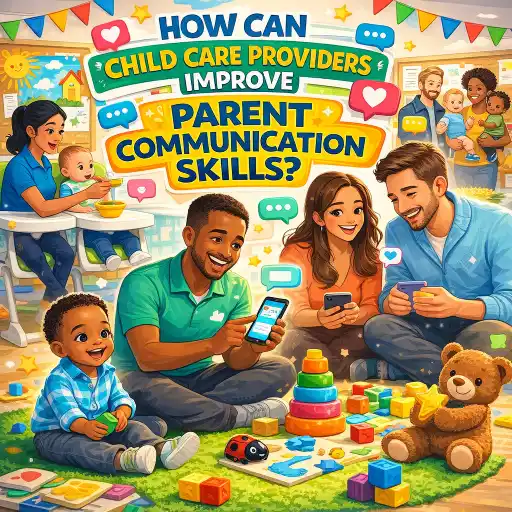
Start with welcome routines. Families notice small, steady steps more than big events. Use these numbered actions:
- 😊 Greet families warmly every day. Say one positive thing about the child.
- 📝 Send a short daily or weekly note. Use the simple "WIN" format: What we did / Improvement / Next step. See Communicating with Parents for examples.
- 📸 Use photos or a one-minute video to show learning. Parents like quick visuals.
- 🔁 Offer more than one way to connect: quick chat, note, phone, or app. Read tips about family engagement at Creative Ways to Keep Families Engaged.
- 📋 Give clear written policies at enrollment so families know what to expect. Templates are available at Family Communication Note Buy Now $0.00.
Why these work: regular small contacts build #trust and help you see patterns in behavior and learning. For how the program culture affects family partnerships, read Improving Family Engagement.
What words and steps help in hard talks about behavior or development?
- 🙂 Lead with a strength: "I like how curious Sam is."
- 🧾 Share a fact: "Today at blocks I saw him hit twice."
- 🔎 Explain why: "This matters because it can hurt others and stops play."
- 🗣 Ask for their view: "What do you see at home?"
- 😊 Offer choices: "We can watch for two weeks, try these games, or share a referral list." See scripts in How can I talk to parents about behavior concerns.
- 📅 End with a plan and a check-in date.
Prepare first: gather notes, choose private time, and, if needed, ask a director to join. For how to use milestone tools and talk about development, see the CDC training How to Talk with Parents about their Child’s Development. Also remember: state requirements vary - check your state licensing agency.
How can tools and technology keep #families connected?
Tech helps busy families stay in the loop. Use it simply and safely.
- 📱 Use text, email, or an app for quick updates. The RAND brief shows how tech can help family engagement: Families, Powered On.
- 📸 Send photos or short videos of class highlights. Keep privacy rules in place.
- 💾 Use a shared folder or PDF so families can save milestone notes. The CDC Milestone Tracker app is a free tool families can use: Milestone Tracker App.
- 🔤 Translate key messages. Many online tools can help with quick translations. Also offer an interpreter for important conferences. See tips in Communicating with Parents.
- 🛡 Make simple tech rules: who can post, what photos are okay, and response times.
Good tech use means parents feel informed, not overwhelmed. For ideas on daily reporting and templates, check Family Communication Note Buy Now $0.00 and How parent communication strategies reduce complaints. You can also find sample newsletter templates and step-by-step guidance on writing a clear, regular parent newsletter at templates and tips for writing clear parent newsletters.
How do we avoid common mistakes and keep partnerships strong?
Common mistakes happen, but you can prevent them. Try these numbered tips:
- ❌ Don’t only call for problems. Share positives often so concerns land kindly. See Communicating with Parents.
- ❌ Don’t talk in public. Choose private time for sensitive topics. Use short scripts from What to say when a parent is upset.
- ✅ Document conversations and follow up. Use forms like the Family Communication Note Buy Now $0.00.
- ✅ Train staff in listening and role-play. Courses such as Family Conferencing
 Buy Now $24.00 help staff practice.
 - ✅ Track patterns and act on them. For program-level changes that cut complaints, read How can parent communication strategies reduce complaints?.
FAQ
- Q: When should I raise a concern? A: When you see a pattern, not just one event. Use checklist tools like CDC’s milestones (CDC Module 4).
- Q: Who should talk to upset parents? A: A calm staff member or director with facts and a plan. Invite support if needed.
- Q: How fast to reply to messages? A: Set a fair rule (example: reply within 24 business hours). Share it with families.
- Q: What if a parent is angry online? A: Acknowledge publicly and move the talk to private messages. See public+private reply steps in this guide.
Conclusion
Good family communication is simple and steady. Use short daily notes, kind scripts for hard talks, and tech that helps. Train staff and document conversations. When you build strong #communication with #parents, you build better outcomes for #children and stronger bonds with #families. Keep practicing — each talk grows #trust.
1) Strong family talk builds #trust. Families share important facts about the child that help teachers plan.2) Clear talk prevents small worries from becoming big problems. For ideas on daily notes and check-ins, see Communicating with Parents in the ChildCare Industry and the Family Communication Note Buy Now $0.00.Tough talks feel safer when you prepare. Use facts, kindness, and a short plan. Try this 6-step script:
- 45 Hour Child Growth and Development
- 45 Hours Director-Administration ONLINE
- 45 Hour Preschool Methods and Materials
- Easy Steps to Resume and Interview Success
- CDA Family Child Care Credential with Portfolio Review
- Pediatric RSV First Aid & CPR/AED
- 45 Hour School Age Methods and Materials
- Texas Director Credential
- Formats For Setting Up Parent Contracts
- CDA Certification en Español: Recursos y Consejos para Educadores Bilingües
- What Parents and Educators Need to Know About Child Safety
- Proporciones de Cuidado Infantil y Tamaños de Grupo por Edad en Maryland (Guía Rápida para Centros y Hogares)
- Proporciones de Cuidado Infantil y Tamaños de Grupo por Edad en Virginia (Guía Rápida para Centros y Hogares)
- Lista para Abrir una Guardería en Casa en Georgia: Cómo Empezar
- How Can Child Care Providers Improve Parent Communication Skills?
- How can Michigan childcare centers improve parent communication?
- How can Nevada child care providers communicate clearly with busy families?
- How can early childhood programs in Texas build strong communication with families?
- How can childcare programs support homework without doing the work for children?
- How Can Child Care Programs Meet the Unique Needs of Military Families?
- How can I create meaningful end-of-day conversations with families?
- How can childcare centers improve staff communication to make classrooms calmer and safer?
- What Can You Do If You Don’t Qualify for Georgia CAPS Child Care Assistance?
- How Can Child Care Providers Create Effective Family Education Workshops?
- Why Might a Child Show Different Skills at Home and at Preschool?
