Play-based learning is when children learn by playing. For child care leaders and directors, it is a powerful way to help young kids grow skills while they have fun. This article explains simple ideas you can use tomorrow in your #classroom. You will read about why play matters, how to set up spaces, how teachers guide play, and how to avoid common mistakes. Use the links for more ideas and training from ChildCareEd and trusted sources.
This guide is for busy providers. It uses easy steps, numbered lists, and classroom-friendly tips. Remember: state requirements vary - check your state licensing agency. You can take a class like Play, Learn, Grow Buy Now $25.00 to practice these ideas with your team.
Why does play-based learning matter?
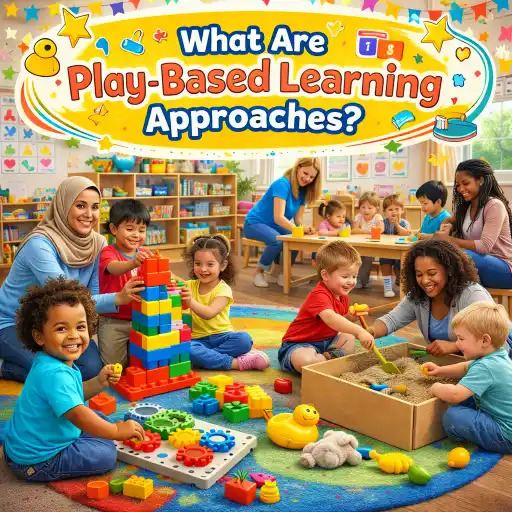
Play is the way young children make sense of the world. When children play, they practice talking, solving problems, and working with friends. Research and practical guides show play helps thinking, language, social skills, and self-control. See Play-Based Learning and Cognitive Growth and The Power of Play for plain-language background.
For a focused exploration of how play supports social-emotional growth and early learning outcomes, see Hungry for Play: The Power of Play-Based Learning in Early Education.- 🎯 Main benefits (short list):
- Builds #learning skills like counting and talking.
- Grows social skills and teamwork—children practice sharing and negotiating.
- Boosts creativity and confidence—kids try new ideas and feel proud.
- Helps physical development during outdoor play and movement.
- Why providers should care:
- Programs with strong play practices support school readiness. See evidence in RAND’s summary.
- Play makes learning feel joyful, so children want to try harder and keep learning.
Use the word #playbased when you talk with families and directors so they hear the clear goal: play = learning. When you explain outcomes, point to the ChildCareEd guides like What Is Play-Based Learning and Why Does It Work? so leaders and families see the link between fun and skill growth.
How do we set up a classroom for strong play-based learning?
- Start with these 6 setup steps:
- 🧱 1. Offer stations: blocks, dramatic play, art, sensory table, book corner, and a quiet spot.
- 2. Use open-ended materials: fabric, loose parts, boxes, and simple props.
- 🎨 3. Rotate items weekly so play stays fresh and sparks new ideas.
- 4. Label areas with pictures and words so all children know where things belong.
- 5. Schedule long play blocks (30–60 minutes) so children can dive deep.
- 6. Include daily outdoor play for movement and risk-taking; see safety tips from the CDC and ideas from the Active Outdoor Play statement.
- Practical room tips:
- Keep materials organized in baskets so children choose and return items.
- Make the play flow visible using a simple picture schedule for the day.
- Put literacy and math tools into play areas (number cards in block area, menus in dramatic play).
These simple changes help staff focus on children, not clean-up. Use ChildCareEd resources and the social skills lesson plans Buy Now $0.00 to link play areas to daily goals. Keep the focus on your #children and the meaningful skills they practice during play.
How can teachers support play without taking over?
- Steps to guide play (easy to remember):
- 👀 1. Observe first: watch to learn each child’s interests and level.
- 2. Join briefly: model new language, show simple math ideas, or add a prop.
- 🤝 3. Ask open questions: "What are you building?" or "How many will you make?"
- 4. Step back: let children try their ideas and solve problems together.
- 5. Record and reflect: use notes or photos to track growth (see How do we observe with purpose).
- When to provide more help:
- Give more support if a child is frustrated or safety is at risk.
- Offer choices and small steps instead of doing tasks for the child.
Use guided play to teach skills like counting, new words, or social rules. Short games and play-based math help early numeracy—see Playful Learning: How Games Help Preschoolers Grow. Training like Play, Learn, Grow Buy Now $25.00 or the Zoom class listings on ChildCareEd can help staff practice these moves together.
What common mistakes do providers make and how can we avoid them?
Even with good intentions, teams sometimes make predictable errors. Here are common pitfalls and how to fix them. Use these tips to keep play time productive and safe.
- Common mistakes and fixes:
- ⚠️ 1. Too much adult control — Fix: Offer materials and ask questions, then wait. Let the child lead at least 70% of the play.
- 2. Rushing play time — Fix: Build longer, uninterrupted play blocks in the daily schedule.
- ⚠️ 3. Narrow toys (single-use) — Fix: Choose open-ended items that invite imagination.
- 4. Not observing with purpose — Fix: Use simple anecdotal notes, photos, and checklists. See How to observe with purpose.
- Short FAQ for quick use:
- Q: Will play delay academics? A: No—play builds the skills children need for reading and math.
- Q: How long should play blocks be? A: Aim for 30–60 minutes when possible.
- Q: How to involve families? A: Share simple home play ideas and quick notes about progress.
Keep inclusion in mind: small supports help kids join play. See Inclusion in Child Care for easy strategies. For language-rich play, try adding story props to centers as shown in research about block play and language (Telling Stories with Blocks).
Conclusion
Play-based approaches put children at the center of learning. Follow these simple steps:
- Offer inviting play areas and open materials.
- Train staff to observe, scaffold, and step back.
- Protect long play blocks and daily outdoor time.
- Share goals and progress with families.
For more tools and courses, explore ChildCareEd resources like Play, Learn, Grow Buy Now $25.00 and practical articles at ChildCareEd. Investing time in play today helps children build the skills they will use for life. Keep your focus on #children, #playbased practice, and joyful #learning in every #classroom. If you want training, check classes and Zoom sessions listed on ChildCareEd for dates and Spanish support options.
Good spaces make play easier and calmer. Use clear areas, open-ended materials, and a mix of indoor and outdoor time. ChildCareEd’s How to Bring Play into the Classroom has layout and station ideas you can copy.Great teachers watch, join briefly, and then step back. This balance helps children lead and still gets the learning we want. One clear strategy is scaffolding—the \"I Do, We Do, You Do\" approach. ChildCareEd explains scaffolding in Scaffolding Instruction.- 45 Hour Preschool Methods and Materials
- Play Safe, Think Big: Literacy Through Play
- CDA Bridge Bundle: Preschool
- 45 Hour School Age Methods and Materials
- CDA Bridge Bundle: Family Child Care
- The Best Promotion is Play
- CDA Bridge Bundle: Infant/Toddler
- Play with Purpose: Supporting Children with Autism
- Texas Director Credential
- The Great Snowman Debate: Montessori vs. Traditional Methods for Building Frosty Friends
- 😫🧸 ¿Qué hacer cuando un bebé no quiere dormir la siesta en el aula?
- ¿Cómo explicar los colores a un niño ciego? Actividades con tacto, sonido y emociones
- Actividades de Otoño Fáciles para Preescolares esta Temporada
- How can childcare programs effectively support children with autism?
- How Can Your Program Effectively Support Autistic Children?
- Which Active Supervision Strategy Should You Use During Transitions, Meals, Naps, and Outdoor Play?
- What Makes a Great Home Daycare? 10 Things Parents Notice First
- First Week of Pre-K Activities That Help Children Feel Comfortable
- Special Needs Training for Early Childhood Educators: Which Course Should You Take?
- Learning Through Choice: Why Do Classroom Choice Boards Work?
- How Can Child Care Providers Plan Infant Activities Around Developmental Milestones?
- How Can Child Care Providers Support Preschool Development?
- What Does a Neurodiversity-Affirming Classroom Look Like?
- How Can Child Care Providers Build an Effective Curriculum for Toddlers?
- How Can You Keep a Learning Center Useful After the Novelty Wears Off?
- How Can Teachers Support an Autistic Child in a Preschool Classroom?
