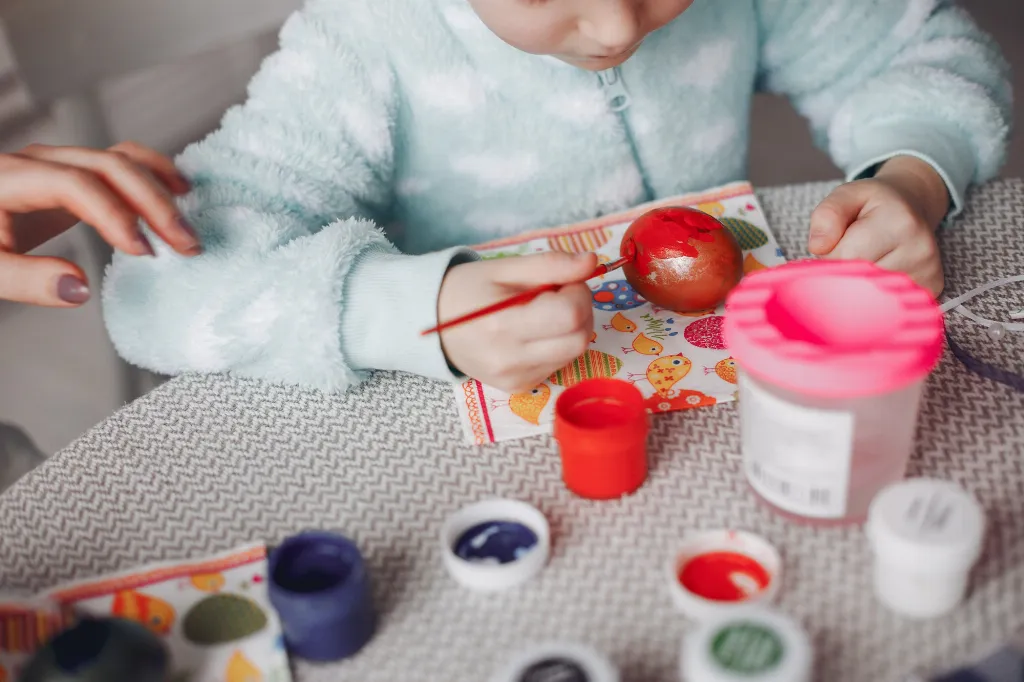
 Open-ended art (also called process art) gives young learners choice, time, and materials to explore. In this short guide for #children care providers and directors you will find clear, practical steps to bring more open-ended #art into your program and see how it builds #creativity and #confidence.
What is open-ended (process) art and how is it different from product art?
Open-ended art focuses on making, exploring, and choice. There is no single correct final picture. The child's ideas lead the activity. ChildCareEd explains this difference well in Process Art or Product Art: Which Should Early Childhood Programs Choose?.
Product art (crafts) usually has a model and step-by-step directions from an adult. Both styles teach useful skills, but they do different jobs:
- 🎨 Process art builds exploration and problem solving.
- 🧩 Product art teaches following steps and specific techniques.
Why the difference matters for your program:
- Children who choose materials practice decision-making and independence.
- Process art supports language and play because children explain their work in their own words.
Open-ended art can also be tailored to different learning styles—visual, kinesthetic, and auditory—by offering materials and prompts that match how each child learns.
For quick open-ended ideas and invitations, see Open-Ended Art Activities That Build Confidence in Preschoolers on ChildCareEd.
How does open-ended art support child development and why does it matter?
Open-ended art helps children learn lots of skills at once. Here are the main benefits and why they matter for daily practice:
- 🖐️ Fine motor skills: Handling brushes, scissors, clay, and small loose parts builds hand strength and control. See Benefits of Art Exploration.
- 💬 Language and thinking: When teachers describe what they see and ask open questions, children use more words and tell stories about their work.
- 😊 Social-emotional growth: Art gives children a safe way to express feelings and try ideas without fear of being "wrong." ChildCareEd courses like Open Heart, Open Art
 Buy Now $16.00 explain how art supports self-esteem.
 - 🔬 Problem solving and creativity: Mixing paint, using new tools, and choosing materials all teach cause-and-effect and creativity.
Why it matters: children who practice open-ended making become more flexible thinkers and more confident learners. Displaying process work and sharing short notes with families makes that learning visible and helps families understand the value beyond the finished picture.
How can programs set up and manage open-ended art in busy classrooms?
📌 Low, labeled shelves: Place paper, crayons, glue, and tools where children can reach them independently.
🎨 One messy area per session: Offer one table or tray for wet/paint activities and alternate low-mess invitations (crayons, collage) for other groups.
🕒 Short rotations: Use 10–20 minute invitations for preschoolers or longer time for deeper projects. Timers help transitions.
🧽 Cleanup routines: Teach a simple 3-step clean-up (put tools away, wipe surface, wash hands).
📂 Storage & documentation: Have drying racks and a photo system so you can document process work for families and licensing visits.
🔁 Rotate materials: Swap in new loose parts or sensory items every 2–6 weeks to keep interest high.
Tip: Use clear bins, trays, and pictures on labels so children know where things belong. For more setup ideas and materials lists, read What classroom materials best foster learning and creativity?. Remember: state requirements vary - check your state licensing agency for storage and safety rules.
What are common mistakes and how can providers balance process and product art?
Common pitfalls can make open-ended art feel messy or out of control. Here are mistakes to avoid and simple fixes:
🛑 Mistake: Forcing every child’s work to look the same. Fix: Offer one sample idea but let children choose colors, materials, and steps.
⚠️ Mistake: Over-helping—adults finishing or fixing the child’s work. Fix: Ask questions like, “What are you planning next?” and add one small suggestion only when asked.
❗ Mistake: Not explaining goals to families. Fix: Share photos and a short note about what the child learned; use examples from ChildCareEd.
Balancing process and product art:
- Offer mostly open-ended invitations during the week and 1–2 teacher-directed product projects a month for skills or holiday gifts.
- Mix approaches: give a short demonstration, then step back so children lead the making.
- Document learning with photos, children’s words, or short teacher notes so families see the value of process work.
Conclusion: How to get started this week (and FAQs)
Try one small change this week: replace a teacher-directed craft with a simple open-ended invitation. For example, put out a tray with paper, tempera, sponges, and found loose parts. Watch and note how children choose, test, and talk about their ideas. Training like Art from the Heart for Preschoolers Buy Now $35.00 or Open Heart, Open Art Buy Now $16.00 can help staff learn practical techniques and documentation strategies.
Quick FAQ:
- Q: How often should open-ended art happen? A: Aim for 1–2 open-ended sessions a week and short daily invitations when possible.
- Q: Will parents be upset about “messy” art? A: Some may. Share photos and learning notes so families see process and growth.
- Q: How do we manage supplies safely? A: Use low shelves, labeled bins, and do safety checks for small parts—state requirements vary - check your state licensing agency.
- Q: Where can staff get more ideas? A: ChildCareEd articles and courses listed above have many ready-to-use invitations and printable resources.
You are already doing important work. Small shifts toward more open-ended #process #art invitations let children practice being thinkers, makers, and confident learners. Keep it simple, document the learning, and celebrate each child’s unique creation.
- Many Colors, One Canvas: MD ECE Conference
- 3 Hour Aide Orientation
- Open Heart, Open Art
- Power of Art: Bldg Self-Esteem & Positive Behavior for ALL Abilities
- Unlocking Support for Florida Childcare
- 24 Hour Texas Pre-Service
- Art from the Heart for Preschoolers: Open Ended Art Projects that Build Self-Esteem
- Montessori Cultural Activities: Exploring the World Through Play and Learning
- Power of Art: Bldg Self-Esteem & Positive Behavior for ALL Abilities ONLINE
- Rooted in History: Early Childhood
- "Junk" Art
- CDA Certification en Español: Recursos y Consejos para Educadores Bilingües
- ⏰ Cómo puedo facilitar las transiciones y las rutinas diarias en mi aula?
- Apoyo en Español para Capacitaciones Grupales Presenciales y por Zoom en Cursos Selectos
- Lista para Abrir una Guardería en Casa en Dakota del Norte: Cómo Empezar
- Retraso del Habla en la Guardería: Cómo Pueden Ayudar los Proveedores
- Cómo Trabajar en el Cuidado Infantil en Carolina del Norte: Requisitos y Pasos
- Cómo Ser Maestra de Preescolar en Illinois
- What new child care news should Pennsylvania providers know now?
- Cómo simplificar la capacitación para sus empleados de daycare
- How can child care programs support creativity through open-ended art?
- Glow and Grow for Teacher Self-Reflection: What Went Well—and What Will You Try Next?
- How Can Flag Design Help Children Explore Symbols, Patterns, and Individual Expression?
- How Can You Plan Patriotic Crafts Without Limiting Children’s Creativity?
- How Do Cut-and-Paste Activities Build Fine-Motor Control and Planning?
- How Can a Simple Watermelon Craft Build Fine-Motor and Language Skills?
- What Should You Do When a Child Wants to Remove Their Contribution from Group Artwork?
- How Can Educators Respond When a Child Says Their Drawing Is “Nothing”?
- How Can Child Care Providers Recognize Children’s Effort Without Competitive Classroom Awards?
- What Are the Best Ways to Introduce New Materials Without Overwhelming Young Children?
