Getting children ready for #kindergarten is a big job that feels exciting and a little scary. As teachers and directors, you can help kids leave preschool confident and ready to learn. This guide focuses on practical steps you can use in the classroom and to share with families. We will cover the skills children need, classroom activities that work, ways to partner with families, common mistakes to avoid, and quick tips for the first days of school. You might see the phrase "state requirements vary - check your state licensing agency" when working with families—remind them kindly about that when you share checklists.
Key ideas to watch for: #readiness #socialemotional #independence #phonological
1) What core skills should preschoolers have before kindergarten?
- 😊 Social-emotional skills
- Take turns, wait briefly, and use words for feelings. Use ChildCareEd’s emotion sorting ideas for practice like Big Feelings, Little Hands to build these skills.
- 🧑🍳 Self-help and independence
- Use the toilet, wash hands, open lunch items, zip coats, and carry a backpack. ChildCareEd’s checklist article offers a handy parent checklist.
- 📝 Early literacy (phonological awareness)
- Hear and play with sounds, rhyme, and syllables. See ChildCareEd’s Phonological awareness ideas to plan short daily activities.
- 🔢 Early math and number sense
- Count objects, know numbers to 10, and play simple sorting games (Scholastic has good number-sense tips).
- ✂️ Fine motor skills
- Hold a crayon, snip with scissors, and practice small manipulatives. Try fine motor activities like those in the fine motor resource. For more classroom-ready activities and step-by-step ideas to increase children's hand strength and coordination, see Increasing Fine Motor Skills in the Early Childhood Education Classroom.
Why it matters: A balanced set of skills (not just letters and numbers) helps children participate, learn, and make friends. Research and ChildCareEd courses highlight social and physical skills as essential for success - see Kindergarten…here I come!.
2) How can teachers build these skills in the classroom?
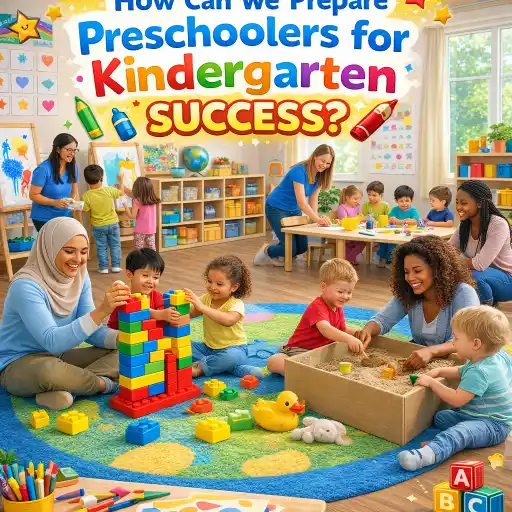
Teachers can create short, daily routines that grow readiness slowly. Use hands-on play, simple games, and predictable transitions. Numbered steps below make plans easy to follow and share with staff.
- 🎲 Use short, repeating games (5–15 minutes)
- Play sound games for phonological work: "I Spy" with beginning sounds, rhymes during circle time, and syllable jumps. ChildCareEd explains simple phonological activities in Phonological awareness.
- 📚 Make read-alouds active
- Pause for predictions, ask about feelings, and point out letter shapes. Use story-sorts like the ChildCareEd story sort ideas after read-alouds (see Emotion Sorting).
- 🧭 Teach transitions as a skill
- Practice lining up, cleaning up, and moving from centers. Use routines and visual cues. ChildCareEd’s course Moving About the Classroom Buy Now $35.00 has many practical ideas.
- ✋ Strengthen fine motor and self-help through play
- Provide playdough, clothespins, beads, and scooping tasks. Use simple dressing practice: zipping, snapping, and putting on shoes during play times.
- 🤝 Teach problem-solving and calming tools
- Use emotion cards, calm-down corners, and role play. ChildCareEd’s resources show classroom-friendly emotion activities and calm-down tool sorts to make this concrete.
Quick classroom tip: Keep activities short, joyful, and repeated often. Small moments each day add up to big gains.
3) How can we partner with families to support the transition?
- 📄 Share a one-page checklist
- Give families a short checklist that balances social, self-help, and early academic skills. Use ChildCareEd’s parent-friendly checklist ideas: What should parents include.
- 🏫 Plan school visits and orientation
- Invite kindergarten teachers to visit your program or ask families to attend open houses. ChildCareEd recommends visits and joint activities in Transitions to Kindergarten.
- 🎒 Give concrete home practice ideas
- Suggest 5–10 minute daily tasks: read a book, count snack pieces, practice zipping coats. Keep suggestions doable and upbeat.
- 🤝 Use family-engagement steps
- Offer a short workshop, send home photos of the kindergarten, or create a class book about feelings. See the family engagement resource: Family engagement in transitions Buy Now $0.00.
Reminder for families: state requirements vary - check your state licensing agency. Be kind and clear when you talk about readiness. Parents often worry; share small wins and practical next steps.
4) What common mistakes should we avoid and what quick tips help on the first days?
Avoid these common pitfalls and use quick strategies to make the start of kindergarten smoother for children and families.
- ❌ Mistake: Focusing only on academics
- Fix: Balance time for play, social skills, and self-help. Research shows whole-child approaches work best; see Kindergarten…here I come!.
- ❌ Mistake: Long, confusing checklists for families
- Fix: Give a short checklist and 1–2 minute practice ideas. ChildCareEd’s simple checklist resource is helpful (Checklist).
- ❌ Mistake: Waiting to act on concerns
- Fix: Screen early, share observations, and refer to local services early. The CDC milestone tools and local early intervention can help.
Quick first-day tips:
- 🧩 Keep routines simple: use visual schedules and a few clear rules.
- 🗣️ Welcome families: offer a quick handout with the daily schedule and a simple checklist.
- 🎯 Pair new children with a buddy and practice separation briefly in the days before kindergarten.
- 🧠 Use short brain breaks and calm-down tools so children can reset: breathing, sensory fidgets, or a quiet corner.
Program idea: Consider social-emotional curricula that build self-regulation, like Second Step Early Learning (SSEL), which supports attention and executive function linked to readiness (SSEL review).
Conclusion: What can you do tomorrow?
Start small. Pick 1–2 classroom routines to strengthen this week (for example: a short rhyme for phonological practice and a 3-step clean-up song for transitions). Share one simple checklist with families. Celebrate tiny wins—children grow fast and they learn best when learning feels like play.
FAQ (quick answers for busy staff):
- Q: Does a child need to read before kindergarten? A: No. Letter knowledge and rhymes help, but fluent reading is not expected. See the ChildCareEd checklist (Checklist).
- Q: How long should practice be at home? A: Short and steady—5–15 minutes daily works best.
- Q: Who to contact with developmental concerns? A: Start with the child’s doctor and local early intervention. Use CDC milestone tools for guidance (see CDC).
- Q: What if families disagree about readiness? A: Listen, share observations, and give concrete next steps. Offer a visit to kindergarten or a meeting with the receiving teacher.
Resources to share with staff: ChildCareEd articles on transitions, phonological awareness, emotion sorting, and checklists are practical and ready to use: Transitions to Kindergarten, Phonological awareness, and Emotion Sorting.
Five words to keep front and center: #kindergarten #readiness #socialemotional #independence #phonological
Children do best in kindergarten when they have a mix of skills. Focus on these main areas. Numbered lists make it easy to share with parents and staff.Families are vital partners. Share simple tools and invite families into the process. Below are steps you can use at drop-off, in newsletters, or during family nights.- Indoor and Outdoor Activities
- CDA Certification en Español: Recursos y Consejos para Educadores Bilingües
- Ready, Set, Kindergarten!
- 💛🧩 ¿Cómo puedo hacer que mi enseñanza sea inclusiva para los niños con autismo?
- What Skills Really Matter for Kindergarten Readiness (and Why Worksheets Aren't the Answer)?
- National Kindergarten Day Themes and Activities for Providers
- Temas y Actividades para el Día Nacional del Kindergarten para Proveedores
- How can we prepare preschoolers for kindergarten success?
- Celebrando la amistad en el cuidado infantil durante el Día de los Mejores Amigos
- What Kindergarten Readiness Skills Should My Program Build?
- Why Does Self-Regulation Matter More Than ABCs for Minnesota Kindergarten Readiness?
- How Does Guided Play Build School-Ready Skills in New York Preschoolers?
- How can we prepare children for the transition to kindergarten in New York?
- How Can Child Care Programs Best Prepare Little Ones for the Kindergarten Transition?
- How can we best prepare preschool children for kindergarten?
- How can preschool programs best prepare children for kindergarten?
- How Can Preschool Programs Best Prepare Children for Kindergarten?
- How Can Child Care Providers Support Kindergarten Emotions on the First Day of School?
- How Can Simple Fall Activities Support Kindergarten Readiness Through Play?
- How Can November Classroom Activities Help Preschoolers Build School Readiness Skills?
