What autumn STEM activities can I try?
ChildCareEd and our Enhancing STEM Education for Infants and Toddlers  Buy Now $16.00 course share hands-on STEM activities that utilize natural materials found in autumn, such as pumpkins, pinecones, and leaves.
Here are some exciting autumn-themed STEM activities to try:
-
Pumpkin Estimation and Measurement: Encourage children to estimate the number of seeds in a pumpkin before cutting it open to count them. This activity reinforces #math skills and provides a tactile experience with a seasonal favorite.
-
Pumpkin Volcano: Create a fun science experiment by hollowing out a pumpkin and mixing baking soda and vinegar inside
Buy Now $10.00. This hands-on activity demonstrates chemical reactions in an engaging and visually exciting way. Read practical classroom tips and assessment ideas in our article: How can pumpkin science create meaningful, hands-on fall learning for preschool classrooms? -
Leaf Chromatography: Use leaves to explore the concept of chromatography. By extracting pigments from leaves with rubbing alcohol and coffee filters, children can observe the various colors that make up the leaves, enhancing their understanding
Buy Now $16.00 of plant biology. For extensions that combine art and science, see: How can leaf-themed art and science activities deepen learning in my child care program? -
Pinecone Investigation: Investigate why pinecones open and close by placing them in water. This simple experiment introduces concepts of plant biology and environmental adaptation, sparking curiosity about nature. See guidance on encouraging scientific thinking through hands-on exploration at: How can we encourage scientific thinking through hands-on exploration?
-
Apple Tower Building Challenge: After a visit to an apple orchard, challenge kids to construct the tallest tower possible using apples. This engineering project promotes teamwork, problem-solving, and creativity. See related fall activity ideas and adaptations here: Pumpkin, Leaves, and Apples: Fall Activities for Preschoolers
-
Nature Scavenger Hunt: Organize a scavenger hunt where children collect various leaves, pinecones, and other natural materials. This activity fosters observation skills and can be integrated into lessons on biodiversity and ecosy #stems. For toddler- and preschool-level scavenger plans, see: Autumn Activities for Toddlers and Preschoolers
-
Salt Crystal Leaves Experiment: Create stunning salt crystal formations on leaves by soaking them in a saltwater solution. This experiment teaches children about crystallization and the properties of solutions in a visually appealing manner. For tips on building STEM routines and simple measurement practice, see: Easy Ways to Add STEM to Your Preschool Classroom
-
Leaf Scavenger Hunt with Numbers: Combine a scavenger hunt with a math lesson by having children find leaves of different shapes and sizes
Buy Now $10.00, then categorize them by size or color. This activity reinforces #math-concepts while encouraging #outdoor exploration. -
Dancing Corn Experiment: Use corn kernels and baking soda to create a fun experiment where the kernels dance in a glass of vinegar. This activity introduces concepts of buoyancy and chemical reactions in a #playful way.
Why is hands-on learning effective in autumn?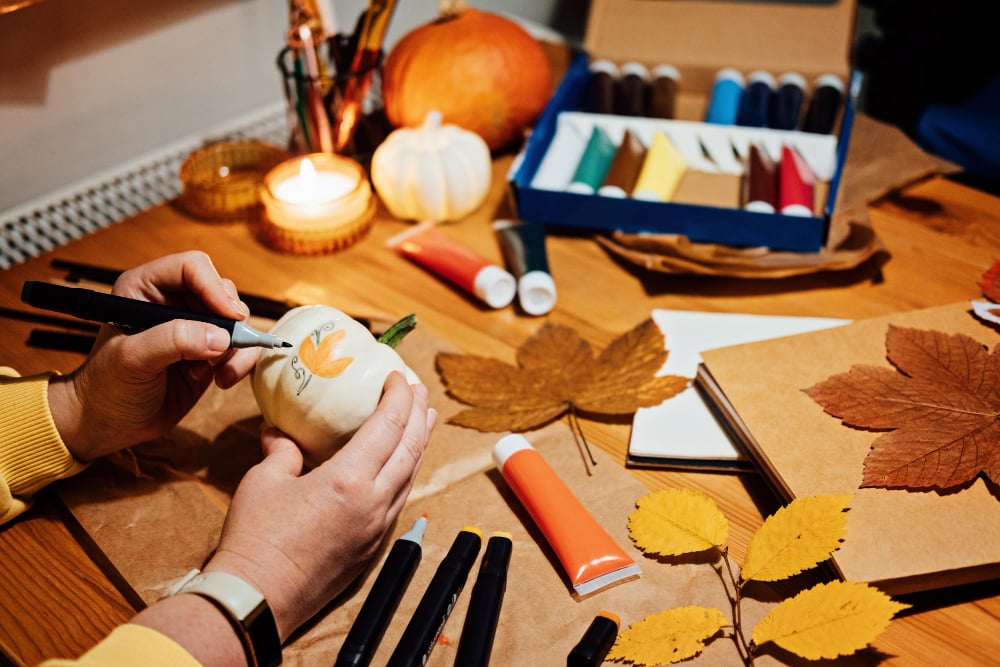
Hands-on learning is essential for young children as it allows them to:
-
Explore and Discover: Children learn best when they can touch, manipulate, and experiment with materials. Autumn offers a variety of natural items like pumpkins, pinecones, and leaves that can be used for exploration. For instance, children can examine the texture of a pumpkin's skin or the shape of different leaves, enhancing their #sensory
Buy Now $16.00 experiences and curiosity about the world around them. -
Enhance Critical Thinking: Engaging in hands-on activities encourages children to ask questions, make predictions, and solve problems
Buy Now $16.00. For example, measuring the circumference of pumpkins can #lead to discussions about size, weight, and comparison, fostering analytical skills as they hypothesize about which pumpkin might be the heaviest or largest. This process of inquiry promotes a scientific mindset. -
Develop Fine Motor Skills: Activities such as painting leaves or creating bird feeders from pinecones require dexterity and coordination, helping to strengthen fine motor skills essential for writing and other tasks. These activities not only promote physical #development but also build confidence as children see their creations come to life, reinforcing their sense of accomplishment. For classroom strategies that intentionally build motor coordination and sustained attention through movement-based activities, see Control of Movement: Enhancing Motor Coordination and Concentration.
-
Foster Creativity: Hands-on projects allow children to #express
Buy Now $10.00 themselves artistically. Creating leaf prints or storytelling with autumn-themed elements encourages imaginative thinking. By using natural materials, children can create unique art pieces that reflect their personal experiences and interpretations of the season, thus nurturing their creative potential. -
Connect with Nature: Utilizing natural materials helps children develop an appreciation for the environment. They learn about the changing seasons and the life cycles of plants and animals. Activities like observing how leaves change color or discussing the role of pinecones in nature deepen their understanding of ecological concepts, fostering a sense of stewardship for the planet.
-
Integrate Multiple Disciplines: Hands-on learning in autumn-themed projects can seamlessly integrate various subjects. For instance, a project involving pinecone bird feeders can incorporate biology (understanding bird needs), math (measuring ingredients), and art (decorating the feeders).
What safety and inclusion considerations should guide autumn STEM activities?
Before any hands-on autumn activity, check materials for choking hazards and remove small parts for toddlers. For food-based experiments (pumpkins, apples, corn) confirm allergies and obtain family permission when tasting or handling food items; provide non-food substitutes (paper fruits, foam apples) where needed. Use simple PPE (gloves, aprons) and model handwashing after sensory play. Supervise cutting or hollowing activities and pre-cut when working with younger groups; assign adults to stations that involve sharp tools. Plan inclusive supports: picture cues for steps, tactile labels, and peer partners. Ensure outdoor collections are rinsed and stored properly. Finally, document risk-mitigation steps in the lesson plan and share them with families so they understand how you made activities safe and accessible.
What are the key takeaways and next steps?
Summary: Autumn materials let children investigate observable phenomena while practicing math, measurement, and scientific thinking. Use intentional lesson planning (targeted objectives, short rotations, artifacts for assessment), apply safety and inclusion practices, and extend learning with simple provocations or choice-based stations. Share student artifacts and quick observation notes with families to reinforce at-home connections. These steps move seasonal play from 'cute' activities into documented, standards-aligned learning experiences that support long-term development.
- Health, safety and nutrition
- Curriculum
- Professionalism
- Child development
- Community
- Infant/ Toddler Educators
- Preschool Educators
- School-Age Providers
- Family Child Care Providers
- Health and Safety
- Content Areas
- Social/Emotional
- Families
- Professionalism
- Child Development
- Website Articles
- Health, safety and nutrition
- Curriculum and Environment
- Professionalism
- Child development
- Community and Family
- Montessori
- CDA Infants/Toddlers: Lesson Planning Made Easy
- Pediatric RSV First Aid & CPR/AED
- Module I - Budgets, Projections, and Planning for Family Child Care
- Look What I Can Do! Developmental Disabilities Overview
- Module I - Budgets, Projections, and Planning for Center-Based Child Care Providers
- CDA Bridge Bundle: Family Child Care without Portfolio Review
- Art from the Heart for Preschoolers: Open Ended Art Projects that Build Self-Esteem
- Texas Director Credential Renewal
- Texas Director Credential
- Enhancing STEM Education for Infants and Toddlers
- Nature’s Classroom: Why Fall Is the Best Season for Sensory Learning Outdoors
- Pumpkins, Pinecones, and Leaves: Autumn-themed STEM Projects
- Pumpkin Spice and Sensory Delight: Easy Autumn Sensory Bins for Early Learners
- 🎉STEM-sational Fun: How Can You Spark Preschoolers’ Curiosity with Engaging STEM Activities? 🔬🧪🔢
- Apoyo en Español para Capacitaciones Grupales Presenciales y por Zoom en Cursos Selectos
- Actividades de Otoño Fáciles para Preescolares esta Temporada
- Autumn Activities for Toddlers and Preschoolers
- Calabazas, hojas y manzanas: actividades de otoño para preescolares
- How can pumpkin science create meaningful, hands-on fall learning for preschool classrooms?
- How can leaf-themed art and science activities deepen learning in my child care program?
- How Can You Prepare Your Classroom for Fall While Prioritizing Safety, Health, and Learning?
- Baby’s First Fall: Simple Ways to Explore the Season Through Play
- Crunch, Stomp, Scoop! Fall Activities Toddlers Can’t Resist
- Rainy Fall Day? 12 Indoor Activities Preschoolers Won’t Want to Stop
- Bring the Pumpkin Patch Inside: Dramatic Play Ideas for Preschool
- What’s Happening Outside? Fall Science Adventures for Preschoolers
- Hello, Fall! Cozy Activities to Help Babies Explore the Season
- Count It, Sort It, Find It! Fall Math Games for Preschoolers
- Fall Detectives: 10 Questions Pre-K Kids Can Investigate This Season
- Fall Challenge Accepted! Hands-On Learning Games for Pre-K
