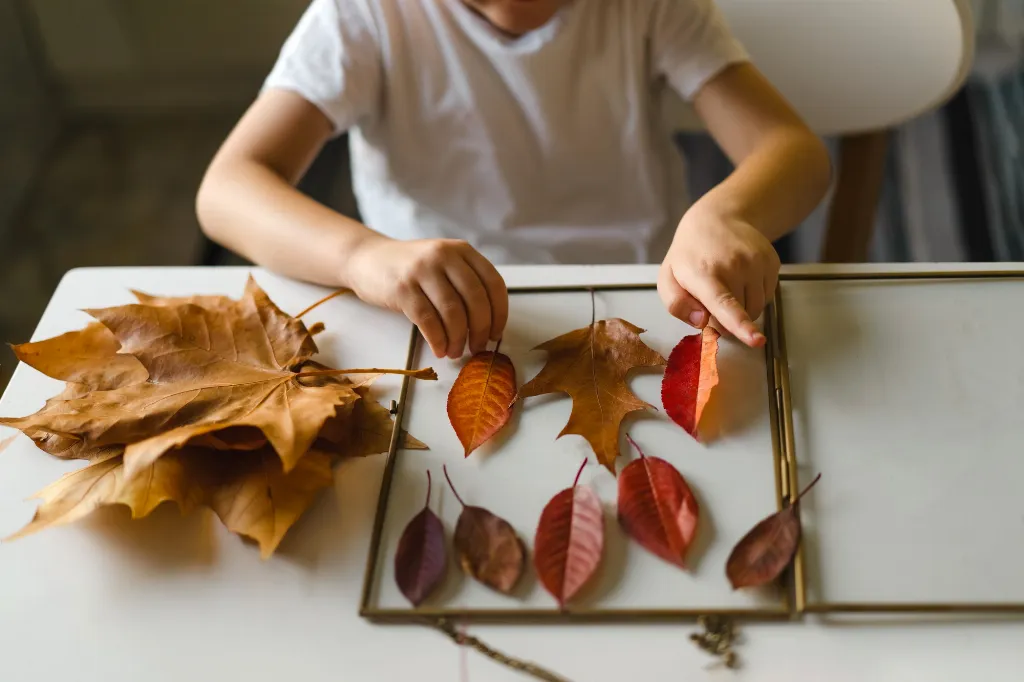
 Fall is a wonderful time to use pumpkins, leaves, and apples for hands-on learning. These materials are cheap, seasonal, and full of learning power. This short guide helps child care providers pick easy activities, keep children safe, and build skills in a #playful way. Try one idea, notice what children do, and repeat it in a new way the next day.
You can use simple stations or short small groups to keep routines calm. For planning and safety reminders, remember state requirements vary - check your state licensing agency.
How do I set up safe, low-prep pumpkin, leaves, and apple stations?
Set up 2–3 stations so children rotate and stay interested. Keep materials visible and labeled so staff and substitutes can follow the plan quickly. Use real items mixed with classroom tools for rich play.
- 🍂 Leaf Bin (sensory): dried or faux leaves, scoops, small cups, tongs. Children sort by color or size and count piles. For many leaf bin ideas and how sensory play supports learning see Easy Fall Activities for Preschoolers.
- 🎃 Pumpkin Wash & Explore: small pumpkins, warm soapy water, sponges, brushes. This builds self-help and fine motor strength and makes a great teamwork moment. See washing and pumpkin play ideas at Preschool Pumpkin Lesson Planning Ideas.
- 🍎 Apple Sink-or-Float Tub: water tub, apples, spoons, funnels. Use prediction language and simple tally marks to document results. Living Life & Learning has useful apple and sink/float lessons: Apple Activities for Preschool.
Quick setup tips:
- 1. Keep materials large and obvious for little hands.
- 2. Use trays or shallow tubs for quick clean-up and clear boundaries.
- 3. Post short rules: “Gentle hands,” “One at a time,” and pictorial steps for staff.
- 4. Supervise water and food items closely and check for allergies.
What learning can I add with sensory play and simple STEM experiments?
Every fall object is a learning tool if you add a question. Use sensory play and mini STEM moments to build observation, counting, and early science skills. Keep challenges short (5–15 minutes) and repeat them across the day.
- 🔬 Sink or Float (science): Have children predict if an apple, acorn, or small pumpkin will sink. Test and sort. Ask: "Why did that one float?" Document with photos or a simple chart. ChildCareEd highlights sink/float and quick STEM moments in fall activities: Easy Fall Activities.
- 🧪 Fizzy Pumpkin (chemistry): Use baking soda, vinegar, and colored baking-soda shapes to make fizzy pumpkins. This is a big hit for sensory and cause-effect learning — see a step-by-step example in the fizzy pumpkin experiments at Fizzy Pumpkin Science Experiment.
- 📐 Pumpkin Towers & Weighing (math/engineering): Stack blocks to hold a mini pumpkin, order pumpkins by size, or weigh them on a scale. Simple measurement talk (bigger, smaller, heavier, lighter) builds math vocabulary. For many pumpkin STEM ideas see Pumpkin STEM Activities.
Use open-ended prompts to boost thinking: "What will happen if... ?" or "How many more do we need to make five?" Add a drawing or sticker chart to show results. These small experiments connect to #sensory play, #counting, and vocabulary growth.
How can I make outdoor nature and movement work well during fall?
Use short nature walks, leaf hunts, and active games to teach observation, gross motor skills, and group routines. Outdoor play also reduces stress and supports attention. Plan short, clear routines and a calm place for any child who needs a break.
- 🍃 Nature Walks (5–15 minutes): Ask children to find one big and one small item, or collect three colors of leaves. Use collections at the classroom stations for later sorting and counting. Many fall programs use nature as a living classroom; see ideas in printable lesson sets and outdoor play tips at Fall Theme Preschool Activities.
- 🦆 Leaf Pile & Gross Motor: Jumping in safe, dry leaf piles builds balance and body awareness. Set boundaries and clear hazards first.
- 🏃 Movement Games: Try relay waddles, feather-on-a-spoon balance, or a simple scavenger hunt. For group games and safe steps for mixed-age groups see Gobble, Wobble, Go!, which has practical tips on space, props, and inclusion. For ready-made preschool scavenger hunt ideas that build observation, color recognition, and early literacy skills, see preschool scavenger hunt ideas.
Outdoor safety checklist:
- 1. Check the area for hazards: sharp sticks, wet spots, or trash.
- 2. Remind families about weather-appropriate clothing and sun protection.
- 3. Watch for allergies (pollen, seeds). Have first-aid and allergy plans ready.
Document what you notice: quick photos, one-line child quotes, or a simple data clip for each day. These short records show learning and help plan next steps.
How do I plan, avoid common mistakes, include every child, and answer practical questions?
Planning a fall play week is easier when you keep a few rules: keep activities short, rotate materials, and have choices so children of different ages and abilities can succeed.
- 🎯 Planning steps (simple):
- Decide 2–3 stations for the day.
- Prep materials and label them.
- Assign a staff lead to each station or put clear step cards out.
- ⚠️ Common mistakes and fixes:
- Too many rules — keep 1–2 simple class rules.
- Waiting too long — run activities for 10–20 minutes and repeat later.
- Small choking hazards — swap for larger tools for toddlers.
- 🤝 Inclusion tips:
- Offer sitting versions of active games and simple helpers for children who need them.
- Use pictures and three-step cue cards so everyone knows the routine.
- Pair preschoolers with toddlers as buddies for some tasks to build leadership and calm transitions.
FAQ (quick answers for busy teachers):
- Q: How long should a fall activity run?
A: 10–30 minutes per station is ideal; repeat across the day. - Q: Can we use real food like apple slices or pumpkin guts?
A: Yes, but check allergies, family notes, and licensing rules; always supervise.— and remember state requirements vary - check your state licensing agency. - Q: How many stations should I set up per day?
A: 2–3 rotating stations keep transitions calm and the day manageable. - Q: What if a child mouths items or is sensory-seeking?
A: Provide safe mouthed alternatives, label them, and offer more tactile but non-food options like rice, large pom-poms, or cooked pasta.
Summary
Pick 2–3 simple stations, add one question to build learning, keep safety checks front and center, and use short outdoor moments for big benefits. For more ready-made ideas and printable lesson plans, check local resources and the ChildCareEd fall articles linked above. Enjoy the season and celebrate small discoveries with your team and children.
- CDA Home Visitor Subject Area 3 Part 3 Birth to 5
- Balancing Physically Active Play in Child Care
- 45 Hour Preschool Methods and Materials
- Birth to Five CDA Credential with Portfolio Review
- 24 Hour Texas Pre-Service
- Art from the Heart for Preschoolers: Open Ended Art Projects that Build Self-Esteem
- 45-Hour Infant and Toddler Curriculum
- Balancing Active Play in Child Care
- CDA Infants/Toddlers: Smart Nutrition & Feeding
- Stay Alert! Steps to Emergency Prep Online Version
- Pumpkins, Pinecones, and Leaves: Autumn-themed STEM Projects
- Pumpkin Spice and Sensory Delight: Easy Autumn Sensory Bins for Early Learners
- Actividades de Otoño Fáciles para Preescolares esta Temporada
- Cute Fall Picture Ideas Teachers Can Try in the Classroom
- Autumn Activities for Toddlers and Preschoolers
- Fall Sensory Activities for Toddlers and Preschoolers
- Fall Circle Time Ideas for Preschool and Daycare
- Pumpkin, Leaves, and Apples: Fall Activities for Preschoolers
- Calabazas, hojas y manzanas: actividades de otoño para preescolares
- How can seasonal activities (spring, summer, fall, winter) combine fun with clear educational goals?
- How can pumpkin science create meaningful, hands-on fall learning for preschool classrooms?
- How Can You Prepare Your Classroom for Fall While Prioritizing Safety, Health, and Learning?
- Too Wiggly to Sit? Fall Movement Activities Toddlers Will Love
- What’s Happening Outside? Fall Science Adventures for Preschoolers
- Hello, Fall! Cozy Activities to Help Babies Explore the Season
- Count It, Sort It, Find It! Fall Math Games for Preschoolers
- Fall Detectives: 10 Questions Pre-K Kids Can Investigate This Season
- Fall Challenge Accepted! Hands-On Learning Games for Pre-K
- How Can Halloween Fine-Motor Activities Be Fun Without Being Scary?
- How Can Fall Food Activities Support Children Who Aren’t Ready to Taste?
