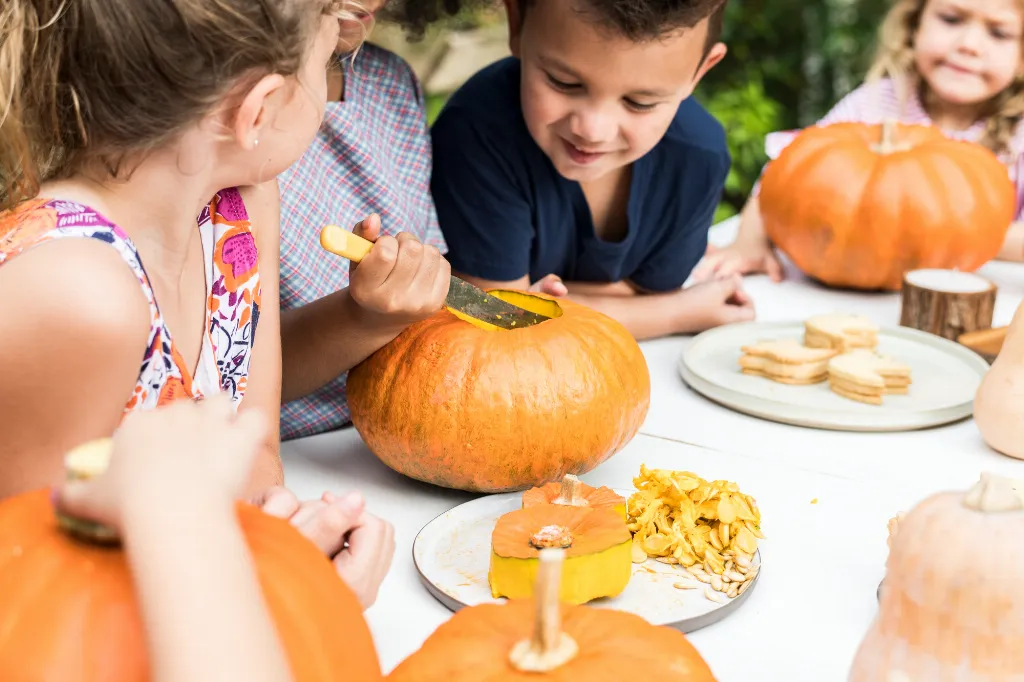
 Autumn is a cozy time to bring simple, joyful learning into your program. This article gives quick ideas you can use in a classroom or family child care setting. You will find easy #fall choices for inside and outside, simple crafts, sensory setups, and ways to add counting or science.
Use small groups, short rotations, and simple materials so activities stay manageable and fun. For more ready-to-use ideas, see this practical list of Easy Fall Activities for Preschoolers to Try This Season.
What simple autumn activities can I set up this week?
Try 1–3 stations that children rotate through. Keep materials low-cost and familiar: leaves, small pumpkins, scoops, water tubs, and paint. Use these quick ideas:
- 🍂 Leaf Bin: dried leaves + scoops + cups for sorting by color or size. See more sensory bin ideas at ChildCareEd and a list of themed bins at Fantastic Fun & Learning.
- 🎃 Pumpkin Wash: soapy tub, sponges, mini pumpkins — great for self-help and #sensory play. ChildCareEd shares pumpkin wash and small-group tips in their fall roundup.
- 🍎 Sink or Float: a water tub with leaves, acorns, and small gourds. Have children predict, test, and sort outcomes — a tiny STEM moment that builds observation and vocabulary.
Keep setups simple: label bins, prep materials ahead, and rotate groups so everyone participates. Loose parts like sticks, stones, and corks invite open-ended play — learn more about loose parts and sensory play at Fantastic Fun & Learning. These activities work well for #toddlers and #preschoolers and can be adjusted by age.
How do autumn activities support learning and development — and why does it matter?
Why it matters: Fall gives real materials children recognize from home and outside. Using natural items helps with language, counting, fine motor skills, and science thinking. Outdoor time improves mood, attention, and big-muscle movement. For research-based tips on supporting toddlers' development, see the CDC positive parenting guidance.
Three learning benefits to highlight:
- 🔢 Math & Sorting: Counting pumpkin seeds, sorting leaves by color, or making towers with blocks teaches one-to-one correspondence and comparison.
- 🔍 Science & Inquiry: Experiments like sink/float or leaf decomposition spark prediction and observation. Document results with a photo or simple chart.
- ✂️ Fine Motor & Social Skills: Crafts like leaf friends (cutting, gluing, adding pipe-cleaner arms) help hand strength and cooperation; see craft ideas at Developing Skills Through Fall Crafts.
Short, repeated activities let children practice skills across days. Use story prompts and questions to expand language: "What does this leaf feel like? What will happen next?" These small moments build big learning for young learners and support your program goals.
How can I keep children safe, comfortable, and follow rules during fall activities?
Safety is simple with planning. Always supervise water and small parts. Remind families about clothing and allergies. state requirements vary - check your state licensing agency.
Key safety steps:
- 👀 Active supervision: keep sight lines clear and use small groups. Post routines so substitutes know expectations.
- 🩺 Allergy & choking checks: avoid small parts for toddlers who mouth items; check family notes before using food or strong scents.
- 🌤️ Weather & sun: plan layers, shade, and short outdoor blocks. ChildCareEd's outdoor learning guidance offers season tips at How can child care programs use outdoor learning ideas for all seasons?.
- 🧴 Hygiene: hand washing after sensory bins with food or soil, and wipe-downs between groups.
Use the CDC tips for supervision and child safety as a backup: CDC. Keep an outdoor safety kit (first aid, wipes, sunscreen, extra clothes) handy for every outdoor block.
How do I plan routines, avoid common mistakes, and engage families?
Planning makes fall activities repeatable and calm. Use short blocks (10–30 minutes), simple materials, and a clear clean-up plan. Here are practical steps and common pitfalls to avoid:
- 📋 Prep & rotation: set up 2–3 stations and rotate children every 10–15 minutes so attention stays fresh.
- 🧭 Label & train: label bins and run a 10-minute staff huddle to explain transitions and safety procedures. ChildCareEd offers lesson planning tools and staff tips at Easy Fall Activities and planning resources in their lesson planning library.
- ❌ Common mistakes and fixes:
- Too many choices? Offer 2–3 focused invitations instead of a crowded table.
- No backup for weather? Have indoor sensory tubs ready (rice, pom-poms, play dough).
- Forgetting documentation? Take quick photos and jot one child quote—this shows learning to families.
- 👪 Family involvement: share simple home ideas (leaf scavenger hunt, pumpkin counting) and invite families to donate safe materials like corks or fabric scraps. For ideas and printable checklists that build observation, color recognition, and pre‑literacy skills at home, see our Scavenger Hunt January guide.
FAQ (quick):
- Q: How long should activities last? A: 10–30 minutes for toddlers and 15–30 for preschoolers, with repeats across the day.
- Q: Can we use food (apples, pumpkin guts)? A: Yes—only after checking allergies and licensing rules.
- Q: How often outdoors? A: Daily, weather permitting. Short, frequent blocks work best.
- Q: Where to find lesson plans? A: ChildCareEd has printable lesson sets and themed guides for fall activities.
Try one new #sensory or #outdoor activity this week and watch what children notice and talk about. Small setups, clear routines, and shared documentation make fall learning easy and meaningful for your team and for the children in your care.
- 45 Hour Child Growth and Development
- CDA Infants/Toddlers: Health and Safety
- CDA Infants/Toddlers: Abuse and Neglect Reporting Requisites
- CDA Infants/Toddlers: Brain Development and Gene Expression
- CDA Infants/Toddlers: Stages of Development
- CDA Infants/Toddlers: Classroom Setup
- CDA: Stand With Respect and Professionalism
- CDA Infants/Toddlers: Smart Nutrition & Feeding
- Creativity & Logic Activities
- Developing Skills Through Fall Crafts in Childcare
- Pumpkins, Pinecones, and Leaves: Autumn-themed STEM Projects
- Pumpkin Spice and Sensory Delight: Easy Autumn Sensory Bins for Early Learners
- How to Make Your Own Sensory Bottles!
- Apoyo en Español para Capacitaciones Grupales Presenciales y por Zoom en Cursos Selectos
- Actividades de Motricidad Gruesa que Desarrollan el Equilibrio, la Coordinación y la Fuerza
- Actividades de Otoño Fáciles para Preescolares esta Temporada
- Autumn Activities for Toddlers and Preschoolers
- Fall Sensory Activities for Toddlers and Preschoolers
- Calabazas, hojas y manzanas: actividades de otoño para preescolares
- What toddler development activities can I use in my child care room?
- How can pumpkin science create meaningful, hands-on fall learning for preschool classrooms?
- How can leaf-themed art and science activities deepen learning in my child care program?
- Baby’s First Fall: Simple Ways to Explore the Season Through Play
- Too Wiggly to Sit? Fall Movement Activities Toddlers Will Love
- Crunch, Stomp, Scoop! Fall Activities Toddlers Can’t Resist
- Rainy Fall Day? 12 Indoor Activities Preschoolers Won’t Want to Stop
- Hello, Fall! Cozy Activities to Help Babies Explore the Season
- How Can Halloween Fine-Motor Activities Be Fun Without Being Scary?
