Every day you welcome little learners. A calm, safe, and friendly room helps kids try new things, make friends, and learn. This short guide shows simple steps for directors and providers in New York to build a #positive, welcoming #classroom for all #children. Links below point to helpful ChildCareEd courses and checklists so you and your team can use ideas right away. Remember: state requirements vary - check your state licensing agency.
Why does a positive classroom matter?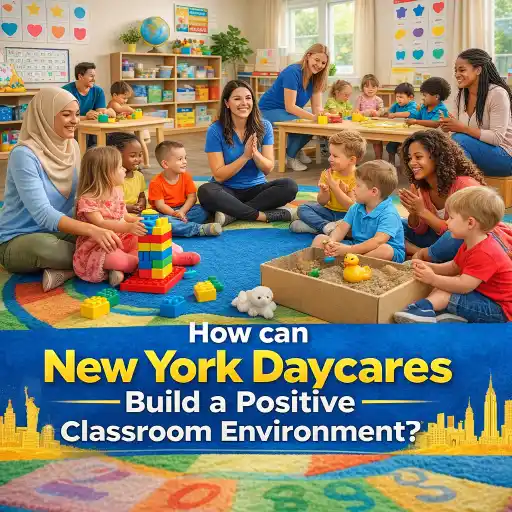
Why it matters (short):
- 😊 Children feel safe and try harder.
- 📚 Learning happens more easily when routines are clear.
- 🤝 Staff stress drops when the room supports good behavior.
For use in New York, pair these classroom practices with New York-approved trainings. See State-Approved Trainings in New York for more on required topics and hours.
How should we set up the physical space in a New York daycare?
- 🟦 Zone the room into clear areas (1: reading, 2: blocks, 3: art, 4: sensory, 5: dramatic play). Use rugs or low shelves to mark zones.
- 🔹 Keep most-used materials on low shelves so kids can reach them and put things away. Label shelves with pictures.
- 🪑 Arrange child-sized furniture so adults can see the whole room and move easily. Keep wide walkways.
- 🌿 Make a calm corner with soft cushions, books, and a feelings chart so children can self-regulate.
- 🧰 Rotate materials every 1–2 weeks so centers stay fresh and not overwhelming.
Quick safety note: follow cleaning and safety rules like the CDC guide on cleaning early care settings: CDC: How To Clean and Disinfect. And remember: state requirements vary - check your state licensing agency when changing cot spacing, furniture, or exits.
What daily routines and teacher moves build positivity and strong relationships?
- 😊 Greet each child by name at arrival to build trust.
- 📋 Use a visual daily schedule so children know what comes next. Practice transitions with 5-minute and 1-minute warnings.
- 🎯 Teach 3 simple rules (example: be kind, use walking feet, clean up). Model and practice them daily.
- 🏅 Give specific praise: say exactly what the child did well ("You waited your turn—thank you!").
- 🧘 Use calm-down tools (breathing, sensory bottles) and teach children how to use them.
How to avoid common mistakes:
- ❌ Don’t use long time-outs or public shame. Instead, use short, related consequences and teach the skill needed.
- ❌ Don’t be inconsistent. Pick the language and stick with it across the staff.
- ❌ Don’t overload with rules. Keep 3 simple, practice often.
These routines, plus warm one-to-one time, build strong #relationships. For more on building relationships, see CSEFEL Brief #12.
How do we partner with families and meet New York rules?
Families and state rules help your program succeed. Work with parents and follow New York training and licensing expectations.
- 📞 Communicate daily: share one positive and one quick note about the day. Use apps, notes, or quick chats at pickup.
- 🤝 Ask families what works at home and try one idea together each week. Keep plans short and kind.
- 🧾 Track trainings and keep certificates. New York has specific hours and topics—see State-Approved Trainings in New York and consider Professional Development Training for New York Childcare Providers.
- 👩⚕️ If behavior is ongoing or intense, consult a mental health or special education specialist early.
Quick checklist for New York programs:
- 📁 Keep a training folder with certificates and staff files.
- 📝 Use short family plans that everyone can follow at home and at the center.
- 🔎 Observe and collect simple data (time, place, trigger) before asking for specialist help.
Conclusion
Building a #positive #classroom in New York daycares is practical and doable. Focus on simple room setup, 3 clear rules, warm teacher actions, and strong family partnerships. Use state-approved trainings and do small steps each week: set one shelf for child-ready trays, teach a cleanup song, and add a calm corner. These steps help children feel safe, grow, and learn. For practical courses and tools, explore ChildCareEd resources such as Classroom Setup for Child Care  Buy Now $24.00 and Creating a Positive and Calm Classroom Environment. State requirements vary - check your state licensing agency.
FAQ
- Q: How many rules should we teach? A: Teach 3 short rules and practice them every day.
- Q: How often rotate materials? A: Every 1–2 weeks keeps centers fresh.
- Q: When to call a specialist? A: If behavior is intense, unsafe, or stops learning after consistent steps.
- Q: How do we keep records for NY licensing? A: Save training certificates, attendance, and incident notes in a staff file.
- Q: Where to learn more? A: Start at ChildCareEd’s New York training guide: State-Approved Trainings in New York.
Buy Now $24.00. Routines and teacher behavior shape the day. Use simple steps that staff can repeat. These ideas come from positive guidance practices and ChildCareEd resources like How Can Positive Guidance Improve Classroom Management.- CDA Home Visitor Subject Area 3 Part 3 Birth to 5
- CDA Home Visitor Subject Area 2 Part 3 Birth to 5
- Mastering Supervision: Keeping Children Safe in All Settings
- Bienvenido! Welcoming All Families
- 1,2,3, Eyes on Me: Classroom Safety
- Birth to Five CDA Credential with Portfolio Review
- Pediatric RSV First Aid & CPR/AED
- Classroom Setup for Child Care
- Texas Director Credential
- Every Moment Matters: Schedules and Transitions
- Can Your CDA Portfolio Tell a Story of Partnership with Families?
- 💛🧩 ¿Cómo puedo hacer que mi enseñanza sea inclusiva para los niños con autismo?
- 🩺 Cumplimiento de Salud e Inmunización en Cuidado Infantil de Nevada ✔️
- 👶 ¿Cuáles son las proporciones y grupos requeridos en Dakota del Norte? 🏫
- Recursos en Español sobre el Sueño Seguro del Bebé
- Apoyo en Español para Capacitaciones Grupales Presenciales y por Zoom en Cursos Selectos
- 10 Ejemplos de Cómo la Cultura Influye en el Desarrollo Infantil
- Cómo Empezar una Guardería en Casa: Requisitos y Pasos
- Proporciones de Cuidado Infantil y Tamaños de Grupo por Edad en Maryland (Guía Rápida para Centros y Hogares)
- Proporciones de Cuidado Infantil y Tamaños de Grupo por Edad en Nueva Jersey (Guía Rápida para Centros y Hogares)
- Proporciones de Cuidado Infantil y Tamaños de Grupo por Edad en Virginia (Guía Rápida para Centros y Hogares)
- ¿Cuál es la Diferencia Entre la Crianza Respetuosa y la Crianza Permisiva?
- Lista para Abrir una Guardería en Casa en Dakota del Norte: Cómo Empezar
- What do I need to know to provide child care in New York?
- How can New York daycares build a positive classroom environment?
- How can New York child care providers prepare for licensing visits?
- Cómo simplificar la capacitación para sus empleados de daycare
- How do I start a legally exempt child care program in New York?
- How can I start a small garden project with New York preschoolers?
