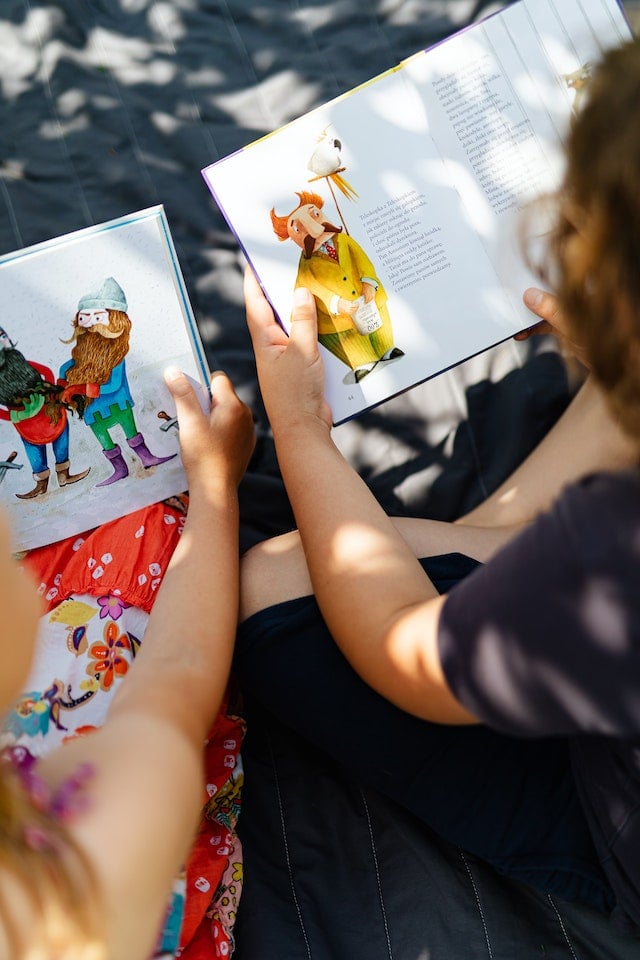
 Planning your day can feel like a lot, especially when you’re caring for a full group of preschoolers. But in California, a strong lesson plan can be simple and flexible. When you mix #learning with play, children stay engaged, routines run smoother, and teachers feel more confident. This short guide shares easy daily ideas for preschool lesson plans you can use tomorrow, along with helpful ChildCareEd tools and training.
What does a simple daily schedule look like?
Think in big blocks, not minute-by-minute.
Here are easy blocks most preschool programs use:
-
Arrival & greetings
-
Circle time (short + active)
-
Learning centers / free play
-
Small groups
-
Outdoor play
-
Meals/snack
-
Rest/quiet time (if your program has it)
-
Closing / pick-up
Try this 5-step daily planning routine
-
Pick your big blocks: Morning Meeting, Centers, Small Groups, Outdoor Time, Closing.
-
Choose a weekly theme: animals, weather, community helpers, colors, feelings.
-
Add 2 “must-do” activities per day:
-
1 art/sensory activity
-
1 math/STEAM activity
-
-
Prep a “week basket”: books, props, art supplies, and center add-ons.
-
Repeat favorites: do the same song or center tool 2x a week—kids learn through repetition.
If you want extra practice building strong plans, this training is a great match: Lesson Planning for Preschoolers
What daily activities help children learn through play?
A strong day includes different kinds of learning. You don’t need all of these every day but try to rotate them through the week.
Art and sensory (fine motor + creativity)
Simple ideas:
-
Finger painting with 2 colors
-
Sensory bin (rice, beans, water beads if safe for your group)
-
Collage with paper scraps and glue sticks
Keep it easy: set out materials, model once, then let children explore. See ideas in STEAM Activities for Preschoolers
Circle time (language + community)
Circle time works best when it is short, interactive, and hands-on.
-
Use a hello song and the same daily routine
-
Add props (puppet, felt pieces, picture cards)
-
Use a “mystery bag” with 1–3 theme items
Time tip: 5–10 minutes for younger preschoolers, 10–20 for older preschoolers.
Need a full set of planning tools? Start with this free template resource: Preschool Weekly Lesson Plan Template Buy Now $0.00
Math and STEAM (thinking + problem-solving)
Easy play-based ideas:
-
Count snacks and compare “more/less”
-
Build towers and talk about “taller/shorter”
-
Sink-or-float with safe items in a tub
-
Pattern with beads, blocks, or colored paper
For more ideas you can plug into centers, this article is helpful: Preschoolers Using Everyday Materials
Social-emotional skills (friendship + feelings)
Try one small SEL focus each week:
-
Feelings faces chart (“Show me ‘proud’”)
-
Role-play “How to ask for a turn”
-
Problem-solving script: “Stop / I don’t like that / Please move back”
Quick resource: Infant and Toddler Weekly Lesson Plan Template Buy Now $0.00
How can I keep circle time from getting too long?
Long circle times are a top reason children disengage. A simple fix is to alternate active and quiet parts.
Try this quick circle time flow:
-
Hello + name song (active)
-
Today’s theme picture (quiet)
-
Movement break (active)
-
Short story or poem (quiet)
-
Closing chant + transition (active)
Pro tip: end with a “job” kids can do right away (line leader, book helper, weather helper). That makes transitions smoother.
How do I include dual language learners in my daily plan?
Dual language learners do best with predictable routines + visual support. #dualanguagelearners
Add these supports into your plan:
-
Use pictures for your schedule and center labels
-
Give extra wait time after questions
-
Teach key words in the home language (hello, stop, help, bathroom)
-
Repeat important words in short phrases: “Big block. Big block.”
-
Use props during read-alouds (real objects help comprehension)
Remember: children can show skills in any language. Write down what you see them do, even if it’s not in English.
How can I use observation and assessment without making planning harder?
You don’t need a long form every day. Try this simple method:
-
Pick 1–2 children per day to observe during centers
-
Write one short note per child:
-
“Counted 1–5 with blocks”
-
“Asked peer to play”
-
“Used new word: ‘enormous’”
-
Then, use those notes to adjust tomorrow’s plan:
-
Add a counting game again if kids loved it
-
Add more emotion words if you saw conflicts
-
Add more small-group support if many children struggled
If you want deeper training on curriculum, routines, and planning across domains, these courses fit well:
What’s the easiest next step you can take?
Pick one small change:
-
Make your daily schedule into simple blocks (not a full script).
-
Plan two key activities per day and keep the rest flexible.
-
Prep a week basket so you’re not scrambling.
-
Keep circle time short, active, and predictable.
You’re doing important work. A simple plan + playful learning can lead to big growth,one day at a time.
- CDA Preschool Credential
- Lesson Planning for Preschoolers
- Designing Your School Age Classroom
- CDA Infants/Toddlers: Health and Safety
- CDA Infants/Toddlers: Abuse and Neglect Reporting Requisites
- Pediatric RSV First Aid & CPR/AED
- CDA Infants/Toddlers: Classroom Setup
- Texas Director Credential
- CDA Infants/Toddlers: Smart Nutrition & Feeding
- Shoo, Germs! Don't Bother Me!
- Myth: Preschool's Just About Playing with the Kids
- Preschool Curriculum
- Actividades de Otoño Fáciles para Preescolares esta Temporada
- Best Daycare Field Trip Ideas in California
- How can I use beach and ocean-themed summer activities in my California early childhood classroom?
- How can we bring a farmers market and fresh fruit activities to preschoolers in California?
- How can indoor creative play encourage teamwork for preschoolers in California?
- What California children’s museums best support hands-on preschool learning?
- How Can California Early Childhood Educators Keep Classrooms Safe During Earthquake Drills and Daily Routines?
- How can we support California children with special needs using play, pictures, and positive language?
- How can we teach children through play?
- Can Toddlers Do STEM in the Sandbox at Minnesota Daycares?
- Summer Field Trips for Daycares in California
- Preschool Compliance in California: Rules, Costs, and Planning
- How Do I Plan a Strong Preschool Curriculum?
- Canciones, juegos y preguntas de círculo para niños
- Preschool Lesson Plans for Learning, Creativity, and Growth
- What Does California’s Expanded Learning Push Mean for School-Age Providers?
- Free Weekly Lesson Plan for Preschool Classrooms
- How can I bring a Forest Preschool (nature-based learning) to my program?
