Every preschooler deserves to feel welcomed, respected, and proud of who they are. ChildCareEd’s Strength in Differences: Cultural Diversity  Buy Now $24.00 course helps educators explore cultural understanding, promote acceptance, and strengthen communication across different perspectives. This article brings those goals into everyday classroom life through hands-on play, thoughtful conversations, and simple activities that celebrate children’s identities. You’ll also find ways to invite family participation while respecting each family’s comfort and preferences.
For more classroom inspiration, explore Fun Multicultural Activities for Preschoolers and the Celebrate Every Family guide.
How can I start celebrating differences in simple, safe ways?
- Make a map corner. Put a child-level map and photos of places families name. This gives kids a visual way to connect to culture (Fun Multicultural Activities for Preschoolers).
- Use a classroom passport. Give each child a paper passport. Add stickers when you try a new song or story. It feels like play, not a test.
- Teach a greeting of the week in a family language. Keep it optional and fun.
- Create a culture corner with books, photos, and objects. Rotate items so the display stays fresh (Creating Inclusive Classrooms).
- Hold short circle times that invite sharing. Offer drawing or choosing a photo instead of speaking aloud to keep sharing optional.
Tip: Use labels with pictures and simple words. That helps children and families feel welcome right away.
What hands-on activities teach respect and curiosity?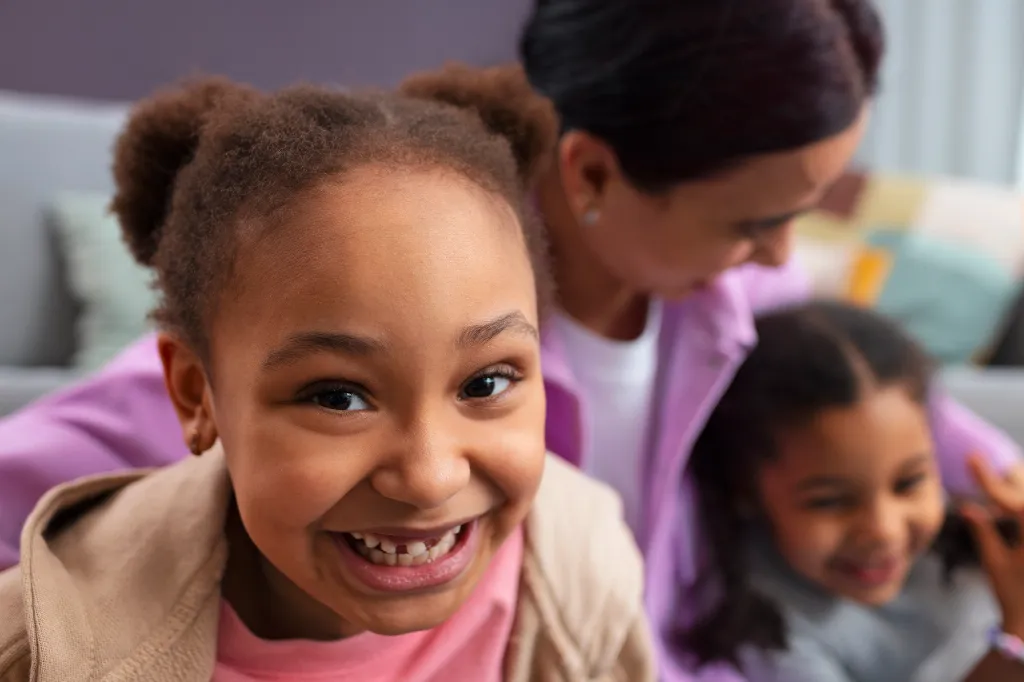
Play is how young children learn. Here are easy, hands-on ideas you can try tomorrow. Keep materials safe and low-cost.
- 🎨 Art: Make self-portraits using mirrors. Talk about hair, eyes, and smiles. For a guide, see Mirror, Mirror on the Wall.
- 📚 Books & Storytelling: Read multicultural picture books. Use titles that show everyday life, not stereotypes. Scholastic and ChildCareEd lists help pick good books (Scholastic).
- 🎶 Music & Movement: Play songs from different places. Ask children if the music feels fast or slow, then move together.
- 🧺 Sensory Bins: Create a market or home bin with photos and small objects. Label items and add home-language words if families offer them (Multicultural Games and Activities).
- 🏷️ Dramatic Play: Add a suitcase, pretend tickets, and dress-up that reflects everyday clothing from many places. Rotate props often.
Keep centers small and predictable. That helps children feel safe and join in. Use pretend food or photos so children with allergies or dietary needs can still take part.
How do I include families and avoid common mistakes?
Families know their children best. Invite them in ways that are easy and optional.
- 📸 Invite a photo or a short note. Let families send a photo or a favorite song title. Offer choices: paper, email, or a quick message.
- 🗣️ Ask families if they want a translation for labels or greetings. Add these to your room where possible (Celebrate Every Family).
- 🤝 Plan family events that are low-cost and low-pressure, like a story-share or a music hour. For classroom-friendly lessons and activity ideas for a community-focused holiday, see our Martin Luther King Day resources.
Common mistakes to avoid:
- ❌ Don’t do culture-as-costume days. Do everyday-life learning instead.
- ❌ Don’t expect one child to represent a whole culture. Use books and photos instead.
- ❌ Don’t include foods or activities that exclude some children. Use pretend food or photos if needed (Fun Multicultural Activities).
When in doubt, ask families how they want to be included. Respect their choices. For staff training ideas, see ChildCareEd courses like Strength in Differences and other diversity trainings.
How will I know it’s working and how can I adapt activities for each child?
Look for small signs of belonging. Keep notes that are quick and simple.
- 📈 Simple success checks (use a one-line note or checklist):
- Did children join without pressure?
- Were kind words and sharing noticed?
- Did families respond to optional invitations?
- 📸 Document with photos and short captions. Make a classroom book of drawings and postcards.
- 🔧 Adaptations by age and need:
- Infants/toddlers: Focus on songs, sensory play, and pictures.
- Preschool: Passport stickers, dramatic play, map activities, and postcards.
- Children with special needs: Use visual supports, shorter steps, or a calm area.
- 📚 Use free resources and checklists to help track progress (see ChildCareEd free resources like Family Engagement and Cultural Perspectives) (Free Resources).
Measure kindness: more greetings, more sharing, and more smiles. If something doesn’t work, try a different format or ask a colleague for ideas. Training and practice help. For more training options, check ChildCareEd’s course list and packs.
Conclusion — Quick next steps and FAQ
Start with one small change this week. Add a greeting, a family photo wall, or a simple passport activity. Keep sharing optional and be curious with families. Small steps build big belonging.
FAQ
- Q: How long should a multicultural activity take? A: Keep it short—10–20 minutes for whole-group. Centers can run longer.
- Q: What if families don’t respond? A: Offer multiple ways to share (photo, drawing, note). Make sharing optional.
- Q: Can we use food? A: Use pretend food or photos or have very small, supervised tastings with alternatives for allergies.
- Q: Where do I find good books? A: Use diverse book lists from ChildCareEd and Scholastic (Scholastic list).
For more lesson packs and guides you can use right away, explore ChildCareEd’s articles and trainings like Multicultural Games and Activities and Celebrate Every Family. Your calm, curious approach will help every child feel seen in your #classroom. Keep celebrating #diversity, include #families, and support #inclusion every day.
- CDA Preschool Credential
- CDA Home Visitor Subject Area 3 Part 3 Birth to 5
- Birth to Five CDA Credential with Portfolio Review
- CDA Bridge Bundle: Preschool
- Inclusive Lessons for Preschoolers
- Recognize, Respond, Respect: Supporting Diverse Learners
- CDA Bridge Bundle: Preschool without Portfolio Review
- Creating Environments that Nurture Growth and Community
- Texas Director Credential
- Strength in Differences: Cultural Diversity
- Cultivating Literacy, Language, and Cultural Awareness: The Hanukkah Minibook in Early Childhood Education
- ¿Cómo hacer actividades navideñas inclusivas para todas las familias?
- Apoyo en Español para Capacitaciones Grupales Presenciales y por Zoom en Cursos Selectos
- Actividades de Motricidad Gruesa que Desarrollan el Equilibrio, la Coordinación y la Fuerza
- 10 Ejemplos de Cómo la Cultura Influye en el Desarrollo Infantil
- Father’s Day Keepsake Ideas for Preschool and Child Care
- Fun Multicultural Activities for Preschoolers
- How Can Early Childhood Classrooms Celebrate Diversity and Inclusion?
- Calabazas, hojas y manzanas: actividades de otoño para preescolares
- Celebrating Differences: Diversity Activities for Preschoolers
- How to Teach Diversity to Preschoolers Through Play
- How Can You Celebrate Black Culture and Music Effectively in Your Program?
- How can my classroom celebrate multiple traditions in ways that are fair, meaningful, and sustainable?
- How Can Child Care Programs Celebrate Mexican Culture Beyond Stereotypes?
- How can early childhood programs celebrate Kwanzaa respectfully and effectively?
- How Can We Celebrate Every Family and Create a Classroom Where Everyone Is Represented?
- How Can Child Care Providers Teach Children to Respect Individual Differences?
- How Can Child Care Programs Celebrate Juneteenth Through Respectful, Child-Centered Art?
- How Can You Plan October Classroom Activities for Children Who Do Not Celebrate Halloween?
