Every day in your program you meet children and families from different places and traditions. Celebrating those differences helps children feel safe, proud, and curious. This short guide gives clear, practical steps you can use right away. It is written for child care providers and directors who want simple ideas that work during routines, play, and family events. Remember: state requirements vary - check your state licensing agency.
Why does celebrating diversity and inclusion matter in my classroom?
2) It teaches kindness and real-world skills. Children who learn about many people practice sharing, asking questions, and solving problems with friends.
3) It prevents bias early. Young children form ideas fast. Gentle, repeated learning about others helps stop stereotypes before they start.
Why it matters: celebrating differences is not a one-time party. It is part of daily care. Make small choices like adding diverse books, playing songs from other places, or offering greetings in home languages. For practical steps, see the ChildCareEd guide How to Create an Inclusive Childcare Environment. In addition, include age-appropriate observances such as Martin Luther King Jr. Day activities—stories, songs, and classroom conversations about fairness and community help make the holiday meaningful for young children.
Quick benefits (enumerated):
- Children gain #confidence when they are seen.
- Peers learn empathy and cooperation.
- Families feel respected and more likely to join in.
Use these ideas every week so learning becomes a habit. Small, steady moves make a big difference for your #children and for the whole classroom community. #diversity #inclusion #culture #families
How can I involve families and the community in respectful ways?
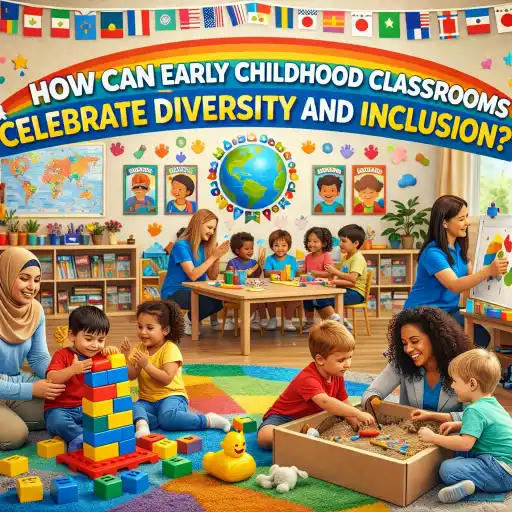
1) Ask families what they want to share. Send a short note or survey that gives options: a photo, a song, a recipe, or a short demo. Make sharing optional and low-pressure. For event planning ideas, read Creating Inclusive Events That Celebrate All Families and Cultures.
2) Offer many ways to join:
- 📸 Drop-off a photo for the family wall.
- 🎤 Record a greeting in a home language (phone audio is fine).
- 🎒 Send a “passport” activity kids can take home and return with a sticker or drawing.
3) Make events inclusive:
- Choose neutral names (Family Night, Culture Share) instead of assuming roles (Mommy/Daddy).
- Provide translations or a bilingual volunteer when possible.
- Plan times that fit working families and offer a quiet space for those who prefer to observe.
4) Honor privacy and consent. Always ask before posting photos, artifacts, or family stories. When families lead activities, give clear time limits (5–10 minutes) so many voices can be heard. These small steps help build trust and strong partnerships. #families
What simple activities help children learn and celebrate differences?
- 🎨 Multicultural Art Corner: Add books and art prompts that show many homes. Let children draw family portraits and label them in their home language.
- 🥁 Music & Movement Minute: Play a 1–2 minute song from another country. Talk about fast/slow or loud/soft and move together. You can also introduce basic signs and plan a short activity for the International Day of Sign Languages (September 23) to promote inclusive communication.
- 📚 Story Time Swap: Read a picture book that reflects a child in your group. Rotate titles weekly. See ChildCareEd’s lists at Multicultural Games and Activities.
- 🧳 Passport Play: Give each child a paper passport. Add a sticker when you explore a country or tradition (see Fun Multicultural Activities for Preschoolers).
- 🍽️ Food Learning (pretend or photo-based): Use pictures or pretend food to talk about favorite family meals. Offer choices for allergies and beliefs.
- 🧩 Same & Different Sorting: Use blocks or blocks of skin-tone crayons. Talk about what is the same and what is different.
- 📷 Family Photo Wall: With permission, display family photos and add short captions kids help write.
- 🤝 Buddy Sharing: Pair children for a 2-minute sharing time: “My favorite family song is…”
Many of these ideas come from ChildCareEd guides on teaching diversity with activities. Keep routines short, repeat often, and celebrate small wins like a child using a greeting from another language. #culture
How do I avoid common mistakes and keep improving?
Common mistakes and how to avoid them:
- 🚫 One-day “culture” events only. Fix: Teach diversity throughout the year with materials and routines. (See How to Teach Children About Diversity Through Activities.)
- 🚫 Asking one child to represent their whole culture. Fix: Use books, photos, or invited family members so no child feels singled out.
- 🚫 Using stereotypes or dress-up that mocks traditions. Fix: Focus on real-life activities and stories, not costumes.
How to measure progress (simple checks):
- Observe: Count times children include a peer or say a kind word each week.
- Note family participation: Did more families share photos or greetings?
- Reflect: Keep a short weekly note—one sentence—about a diversity moment that went well.
Grow your skills with training. ChildCareEd offers helpful courses such as One World, Many Cultures Buy Now $25.00 and Building Bridges for Dual Language Learners  Buy Now $16.00. Coaching and peer reflection help too—see research on culturally relevant coaching (Making the Match).
Short FAQ:
- Q: Where do I start? A: One small routine: a greeting board or a new book each week.
- Q: What if families don’t want to share? A: Offer optional ways: photos or recorded greetings.
- Q: Who decides what to teach? A: Plan with families and a team so activities feel safe and true.
Keep it steady, kind, and simple. Your everyday choices make your classroom a place where all children can grow. #diversity #inclusion #children #families #culture
Conclusion
Celebrating diversity and inclusion is practical and powerful. Start with small routines, involve families in low-pressure ways, pick simple activities, and watch for kinder play and more belonging. Use ChildCareEd guides for ready tools and training. Little steps each day help children become caring, curious people.
1) It helps children feel they belong. When kids see toys, books, and photos that look like them, they say, “That is me.” That feeling builds confidence and trust.Use short, repeatable activities that fit your daily routine. Here are easy ideas you can try this week. Each is low-cost and great for mixed-age groups.- 45 Hour Child Growth and Development
- Bienvenido! Welcoming All Families
- Birth to Five CDA Credential with Portfolio Review
- CDA Family Child Care Credential with Portfolio Review
- Pediatric RSV First Aid & CPR/AED
- CDA Bridge Bundle: Family Child Care without Portfolio Review
- CDA Bridge Bundle: Infant/Toddler without Portfolio Review
- Texas Director Credential
- Building Social Foundations
- CDA Certification en Español: Recursos y Consejos para Educadores Bilingües
- Recursos en Español sobre el Sueño Seguro del Bebé
- 10 Ejemplos de Cómo la Cultura Influye en el Desarrollo Infantil
- Cómo Trabajar en el Cuidado Infantil en Carolina del Norte: Requisitos y Pasos
- How to Teach Children About Diversity Through Activities
- How Can Early Childhood Classrooms Celebrate Diversity and Inclusion?
- How can we celebrate diversity and inclusion in California early childhood classrooms?
- How are ChildCareEd's cultural competency courses helping New York childcare workers serve the city's most diverse communities?
- How can child care programs support diversity and inclusion?
- Celebrando la amistad en el cuidado infantil durante el Día de los Mejores Amigos
- How to Teach Diversity to Preschoolers Through Play
- How can Michigan child care programs use global events to teach diversity and inclusion?
- Cómo simplificar la capacitación para sus empleados de daycare
- How can my classroom celebrate multiple traditions in ways that are fair, meaningful, and sustainable?
- Diversity and Inclusion in Childcare: What Does It Look Like in Everyday Practice?
- How Can Child Care Providers Respond When Children Exclude Others From Play?
- How Can Preschools Celebrate Hispanic Heritage Month Meaningfully?
- What Should You Ask Families Before a Classroom Winter Celebration?
