Martin Luther King Day is on Monday!
Martin Luther King Jr. Day (officially Birthday of Martin Luther King, Jr., often referred to as MLK Day) is a federal holiday observed on the third Monday of January each year. For early childhood professionals planning culturally responsive programming, this day is an opportunity to center children’s emerging civic understanding and to model respect for equity and human dignity. If you are preparing classroom experiences, consider these professional development resources: our Diversity, Equity, and Inclusion in Education  Buy Now $16.00 course and From Play to Planning: Building Culturally Competent, Child-Centered Curriculum Buy Now $55.00, which offer practical strategies for integrating MLK’s themes into developmentally appropriate lessons for young children.
What is Martin Luther King Jr. Day and why does it matter in early childhood education?
Martin Luther King Jr. Day honors the life and legacy of Dr. King, who advocated nonviolent social change and systemic equity. In early childhood settings, the holiday is less about complex policy debates and more about nurturing foundational values: empathy, fairness, peaceful problem-solving, and respect for diversity. Programs can use the day to introduce simple history, stories, and acts of kindness that connect to children’s daily interactions. For program leaders, aligning activities with anti-bias pedagogy supports children’s socio-emotional development and promotes inclusive classroom climates.
How did MLK Day become a federal holiday?
The effort to create a federal holiday in Dr. King’s honor began immediately after his assassination in 1968 and culminated in federal legislation signed in 1983. Early resistance in some states led to alternate observances or combined holidays; full nationwide observance occurred by 2000. Understanding this legislative history helps teachers explain the holiday’s significance at an age-appropriate level: the holiday recognizes a leader whose words and actions helped change laws to make public life fairer for more people.
How can early childhood programs observe MLK Day in ways that are developmentally appropriate?
Effective observance is grounded in children’s developmental levels and family contexts. Practical steps for programs include:
- Use picture books and storytime to introduce Dr. King’s values (concrete examples are better than abstract concepts).
- Design simple, cooperative activities that practice kindness and fairness (for example, collaborative art or cooperative games).
- Invite families to share traditions or community stories so children see multiple perspectives represented.
- Reflect on classroom rules together—discuss fairness, taking turns, and listening to others’ feelings.
- Document learning through photos and snapshots to share with families and for reflective staff practice.
For staff training that supports these practices, consider the course Families, Communities, and Classrooms: Working Together for Children Buy Now $55.00, which helps strengthen family partnership strategies central to meaningful holiday programming.
What classroom activities teach MLK’s principles to preschool and pre-K children?
Choose activities that emphasize action over lecture. Age-appropriate examples include:
- Story and reflection: Read a picture book about kindness or fairness, then invite children to draw a time they helped someone. (See our article Dream Big, Little One: Exploring MLK’s Legacy Through Stories and Play.)
- Kindness project: Brainstorm small acts of kindness the class can do for another classroom or family. (Related ideas in Kindness is King.)
- Art and identity: Create a collaborative mural celebrating differences; pair with the article Celebrating Differences: Diversity Activities for Preschoolers.
- Role play and drama: Use puppets to rehearse sharing and listening—an effective way to practice peaceful conflict resolution.
- Music and movement: Sing songs about peace and cooperation; connect movement to social-emotional routines.
For a ready-made compilation of classroom activities, see Creative Martin Luther King Jr. Day Activities for Preschool, Pre-K, and Kindergarten and our curated MLK Activities page.
How can programs use MLK Day as a child-friendly day of service?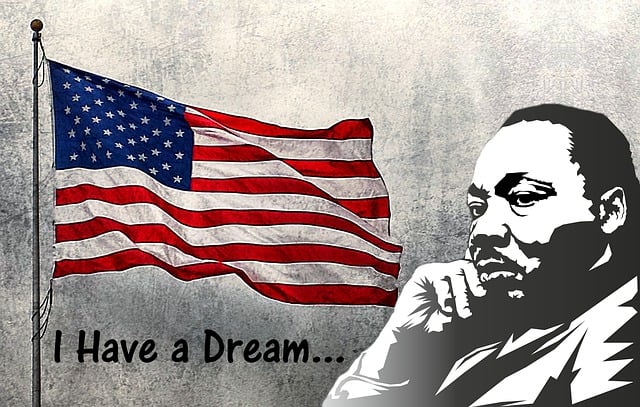
Designing a child-appropriate day of service reframes civic participation as acts of care and inclusion that are safe, observable, and meaningful for young children. Begin by defining a concrete, short-term goal (for example, making cards for a partner classroom, gathering nonperishable items for a local food pantry, or creating a kindness display for families). Keep activities short (10–20 minutes per group) and scaffold participation so every child can contribute in a developmentally appropriate way.
Structure the day into three simple parts: 1) a story and discussion that names the value you are practicing (kindness, fairness, helping), 2) one hands-on activity tied to the story (crafting cards, cooperative artwork, sorting donations), and 3) a reflective closing where children describe what they did and how it helped others. Use visual schedules and picture cues so children with limited language can predict transitions and feel secure participating.
Partner with families and community organizations in advance: ask families to suggest needs, invite a brief community visitor to explain how donations help, or arrange a contactless handoff to a local agency. Ensure accessibility by providing alternatives (e.g., a child who cannot cut with scissors may tear paper or place stickers). Document the project with photos and simple captions to share with families and to use in staff reflection about cultural relevance and inclusion.
Finally, frame the day as a starting point for ongoing civic learning: connect the small service action to classroom routines (daily acts of kindness), and use staff reflection to ask whether the activity honored children’s lived experiences and family traditions. Thoughtful planning keeps the focus on participation, fairness, and respect—core MLK values adapted for early childhood.
When is MLK Day, and is it Dr. King’s birthday?
MLK Day is observed on the third Monday of January each year; Dr. King’s actual birthday is January 15. The observance is set to a Monday to create a long weekend and a national day of service. Many programs ask whether staff should work: operational decisions follow your organization’s policy—some centers close, some remain open and offer special programming that honors the day.
How can programs evaluate whether their MLK Day plans are equitable and culturally responsive?
Use reflective questions during planning: Do activities center children’s perspectives? Are family voices included? Do materials represent diverse people authentically? Are activities scaffolded so all children can participate? Document your decisions and collect family feedback afterward to improve future observances. For advanced curriculum planning that integrates cultural competence into day-to-day practice, see our training From Play to Planning Buy Now $55.00 and the course on Diversity, Equity, and Inclusion in Education Buy Now $16.00.
What are the next steps and summary?
MLK Day is an opportunity for early childhood programs to model equity, kindness, and respectful civic engagement. Plan story-based, cooperative, and family-connected activities; document learning; and use staff development to align practice with anti-bias principles. Useful internal readings include How can I build cultural awareness in my classroom?, How can early childhood programs best support diverse families?, and 10 Fun and Engaging Ways to Teach Kids About Black History Month!.
What references support this guidance?
Please add 2–3 authoritative external references here (examples: a federal holiday page, state child care licensing guidance, or a university/education department resource). Editor note: insert full URLs and short citation text; do not leave placeholders in the published article.
*Archived from ChildCareEd's Constant Contact Newsletters [1.13.2022]
- 45 Hour Child Growth and Development
- Many Colors, One Canvas: MD ECE Conference
- 45 Hour Preschool Methods and Materials
- Engaging Indoor Activities for Inclement Weather
- Theory of Mentoring and Coaching in Early Childhood
- 45 Hour Infant and Toddler Methods and Materials
- Pediatric RSV First Aid & CPR/AED
- Texas Director Credential Renewal
- Texas Director Credential
- Meet Our Trainers
- What is Shavuot, Eid al Adha & Juneteenth
- Kindness is King: Teaching MLK’s Principles Through Acts of Kindness
- Dream Big, Little One: Exploring MLK’s Legacy Through Stories and Play
- 10 Fun and Engaging Ways to Teach Kids About Black History Month!
- Exploring Oklahoma: A Guide to Educational Field Trips for Children
- Creative Martin Luther King Jr. Day Activities for Preschool, Pre-K, and Kindergarten
- ¿Cuáles son las mejores actividades del Día de la Tierra para niños en casa o en el aula?
- ¿Cómo solicito la licencia para una guardería en California?
- Normas de Licenciamiento de Cuidado Infantil en Virginia para Centros Diurnos Infantiles y Hogares Diurnos Familiares
- Cómo Celebrar el Día Nacional del Kindergarten
- Lista para Guardería en Casa en Illinois: Cómo Iniciar una Guardería en el Hogar
- Lista para Guardería en Casa en California: Cómo Iniciar una Guardería en el Hogar
- Temas y Actividades para el Día Nacional del Kindergarten para Proveedores
- Cómo Trabajar en el Cuidado Infantil en California: Requisitos y Pasos
- Cómo Trabajar en el Cuidado Infantil en Virginia: Requisitos y Pasos
- Capacitación Previa al Servicio para Proveedores de Cuidado Infantil en Virginia
- Celebrando la amistad en el cuidado infantil durante el Día de los Mejores Amigos
- Diversión fresca de verano: actividades del Día Nacional del Helado para niños
- Celebrating Differences: Diversity Activities for Preschoolers
