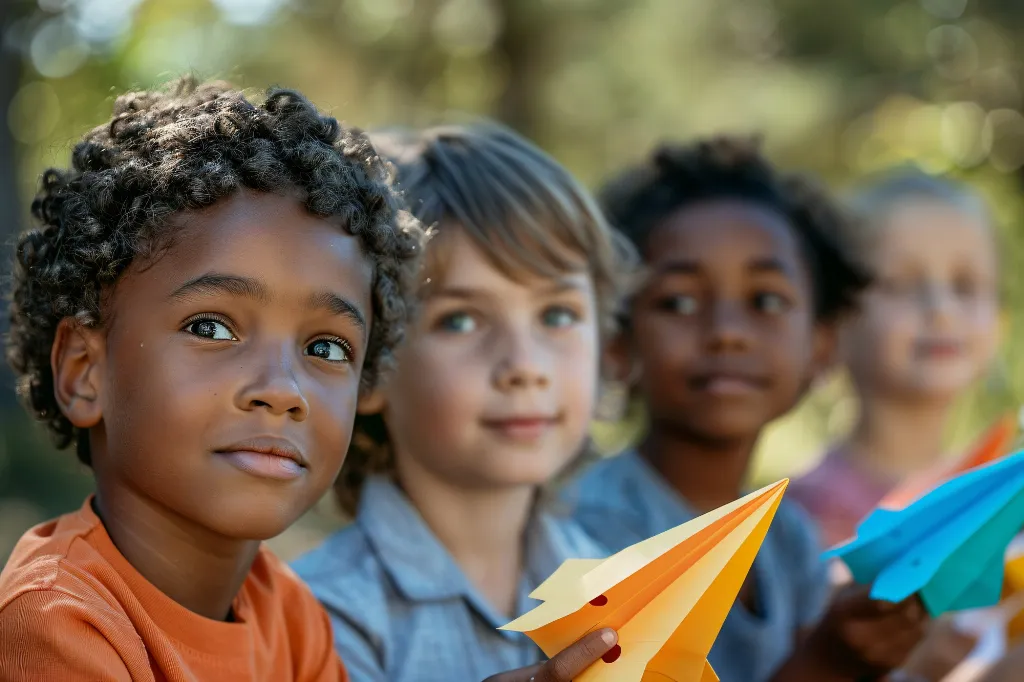
 Teaching #diversity to young children can feel big, but play makes it simple and joyful. Young learners notice, copy, and learn best when they are playing. Start small, keep activities short, and use real books, toys, music, and family stories. For ready-made ideas you can use tomorrow, see How to Teach Children About Diversity Through Activities and other practical packs from ChildCareEd.
How can play help children learn about differences?
Play is the best way for preschool children to explore the world. Use these simple ideas:
- Make discovery safe: set clear rules like "We ask first and we are kind."
- Use play to name and notice differences: skin tone, language, family types, and food. Try skin-tone crayons or handprint murals as in ChildCareEd activities.
- Teach feelings in play: puppet scripts or role play help children say "I feel..." and practice caring.
- Repeat short routines: a greeting-of-the-week in a family language helps kids connect daily (see Passport to Fun ideas).
Why this works (short):
- Children learn by doing and imitating.
- Play lowers pressure — kids join freely.
- Materials that reflect many people build belonging (see Inclusive ChildCareEd guide).
What simple play activities teach diversity every day?
- 🎨 Art & Books:
- Offer books that show many families and skin tones (see Scholastic diverse books).
- Make a class family wall with photos or drawings (optional for families) as in Celebrate Every Family.
- 🥁 Music & Movement:
- Play short songs from different places. Move to fast or slow beats and talk about how the music feels (Multicultural Games).
- 🧩 Same & Different Games:
- Sort buttons or blocks by color then talk about how people can be different and still belong.
- 🎒 Passport Play:
- Give each child a paper passport to decorate. Add a sticker for each culture, language, or story you explore (Passport to Fun).
- 👣 Sensory & Pretend Food:
- Use bins with fabrics, foods (or pretend foods), and photos. If you include food, offer pretend options to avoid exclusion—state requirements vary - check your state licensing agency.
Quick setup tips:
- Number centers so children know where to go.
- Label objects in more than one language when families share translations (Celebrating Families).
- Rotate dolls, books, and toys so every child sees themselves.
How do I invite families and include home languages respectfully?
- 📬 Ask first: send a short note asking if families want to share a photo, a song, or a word in their language. Keep sharing optional (see Celebrate Every Family).
- 🗣️ Greeting-of-the-week: teach one greeting in a home language and one phrase like “thank you.” Repeat daily.
- 🎤 Offer choices: photo, drawing, short recording, or an item to borrow. Different families like different options (ChildCareEd family tips).
- 🤝 Short demonstrations: invite a family to show a 3–5 minute song, dance, or simple game.
- 📅 Schedule with care: offer take-home options or flexible times so busy families can participate.
Benefits of family inclusion:
- Children see home and school are connected.
- Families feel respected and teach you what to celebrate.
How do I avoid mistakes and know if it’s working?
Watch, ask, and keep learning. These steps help you avoid common pitfalls and measure success.
- Common mistakes to avoid:
- 🚫 Asking one child to represent an entire culture. Use books and teacher-led talk (ChildCareEd guidance).
- 🚫 Doing a single “culture day” and then stopping. Teach inclusion all year (Multicultural Games).
- 🚫 Using costumes or stereotypes. Use everyday objects, stories, and real photos.
- How to check progress:
- 🔍 Observe: count kinder actions like sharing, helping, inviting others.
- 🗣️ Ask children simple questions or use thumbs-up/thumbs-down.
- 📋 Ask families one short question at pick-up or with a quick survey.
- 📈 Keep weekly notes or photos to track social-emotional growth (see OECD inclusion ideas).
- When to get training: consider staff training packs like Multicultural Classroom Activities Buy Now $0.00 or courses on cultural diversity.
Short FAQ:
- Q: How long should activities be? A: Short — 5–15 minutes for circle time, longer in centers.
- Q: What if a family says no? A: Respect their choice and offer other ways to include their child.
- Q: How often change materials? A: Rotate weekly or biweekly to keep representation fresh.
- Q: Can I include holidays? A: Yes—teach what families do, not stereotypes. Keep participation optional. For guided, age-appropriate materials and event ideas, see Hispanic Heritage Month resources tailored for preschool settings.
Conclusion
1) Start with one greeting, one new book, and one center activity. 2) Repeat small routines often. 3) Invite families with flexible options. 4) Watch for kinder play, more sharing, and children asking friendly questions—those are signs it’s working.
For more activities and lesson packs, explore ChildCareEd resources like Multicultural Games and Activities and Celebrate Every Family.
- CDA Home Visitor Subject Area 3 Part 3 Birth to 5
- CDA Home Visitor Subject Area 2 Part 3 Birth to 5
- 45 Hour Preschool Methods and Materials
- Birth to Five CDA Credential with Portfolio Review
- Play Safe, Think Big: Literacy Through Play
- Teach with Respect!
- Recognize, Respond, Respect: Supporting Diverse Learners
- Emergent Learning & Development
- Wellness in Action: Teaching Healthy Habits to Children
- Montessori Cultural Activities: Exploring the World Through Play and Learning
- Building Social Foundations
- Actividades de Otoño Fáciles para Preescolares esta Temporada
- Cómo Ser Maestra de Preescolar en Virginia
- How to Teach Children About Diversity Through Activities
- How can I teach colors, shapes & numbers through play in Michigan classrooms?
- How can we celebrate diversity and inclusion in California early childhood classrooms?
- Helping Children Explore Culture, Identity, and Belonging
- Celebrando la amistad en el cuidado infantil durante el Día de los Mejores Amigos
- Celebrating Differences: Diversity Activities for Preschoolers
- How to Teach Diversity to Preschoolers Through Play
- How can Michigan child care programs use global events to teach diversity and inclusion?
- How can I teach Black history to young children year-round?
- How can I introduce inspiring women to preschoolers?
- 15 Around-the-World Activities Toddlers Can Explore Through Play
- How Would You Approach Inclusivity and Diversity in a Childcare Setting? A Strong Interview Answer With Real Examples
- How Can Preschool Teachers Introduce Inclusive, Culturally Responsive Books?
- How Can Preschools Celebrate Hispanic Heritage Month Meaningfully?
- What Are Age-Appropriate Ways to Honor Latino Cultures in the Classroom?
- How Can Child Care Programs Celebrate Juneteenth Through Respectful, Child-Centered Art?
