The harvest season offers a natural opportunity to combine outdoor exploration, cultural learning, sensory discovery, and hands-on play. Child care providers and directors can create meaningful seasonal experiences by inviting children to examine leaves, pumpkins, seeds, grains, fruits, and other natural materials while considering allergies, choking hazards, sanitation, accessibility, and individual sensory needs. Inclusive harvest activities should reflect the traditions and experiences of enrolled #families rather than presenting one celebration as universal. This article provides practical, adaptable strategies for designing safe sensory stations, outdoor investigations, art experiences, movement activities, and family partnerships that encourage curiosity and allow every child to participate.
To strengthen your seasonal curriculum planning, explore ChildCareEd’s self-paced online course From Play to Planning: Building Culturally Competent, Child-Centered Curriculum  Buy Now $55.00. The course helps educators design and adapt play-based curriculum, incorporate cultural responsiveness and anti-bias materials, and create inclusive learning environments for children with different abilities. Providers can also take Strength in Differences: Cultural Diversity Buy Now $24.00 to build culturally responsive practices that help children and families feel represented, valued, and respected. State requirements vary, so always check with your state licensing agency.
Why it matters
Hands-on, #sensory experiences deepen learning and physical development — read about fall's sensory opportunities in Nature’s Classroom.
Key focus words: #harvest #sensory #inclusive #families #outdoors
How can I celebrate the harvest season inclusively for all families?
1) Offer multiple pathways for participation (observe, share, opt-out):
- 🍎 Provide non-food ways to mark the season (flower displays, gratitude walls, storytelling).
- 🌼 Invite families to contribute one optional artifact or story rather than a full presentation.
- 📚 Use classroom books and photos to introduce harvest-related customs before asking families to share.
2) Represent multiple harvest holidays with respectful, context-rich learning (e.g., Shavuot, Diwali, Mid-Autumn, Thanksgiving). For direct classroom activities for Shavuot,t see Shavuot Classroom Activities Buy Now $0.00. Include Juneteenth in your seasonal and cultural explorations — see our Celebrate Juneteenth page for age-appropriate history and classroom activities and extension ideas.
What sensory-rich harvest activities work best indoors and #outdoors?
Try these activity categories (enumerated for planning):
- 🍂 Nature Scavenger Hunts — use sight, sound, and smell lists and bingo cards outdoors (adapt from fall scavenger ideas).
- 🥣 Sensory Bins — create harvest-themed bases (dried beans, dyed rice, leaves, small gourds) with scoops and sorting trays.
- 🌱 Garden & Harvest Stations — plant bulbs, tend a classroom garden, or run a mock farmers’ market to practice counting, sharing, and dramatic play (classroom garden guide).
- 🎨 Nature Art — leaf rubbings, seed mosaics, and loose-parts collages using natural items (sensory scavenger ideas).
How do I adapt harvest activities for different ages, abilities, and #sensitivities?
Planning with developmental and sensory differences in mind increases access and reduces stress for children and staff. Use these five steps:
- 🔍 Assess needs: Ask families about allergies, religious practices, mobility, and sensory preferences during enrollment or via short updates (family engagement ideas).
- 🧩 Differentiate: Offer parallel options — a quiet table with tactile materials, an active outdoor station, and a storytelling circle.
- 🧴 Safety first: If you include food, follow allergy protocols (see CDC guidance) and secure written permissions — the CDC’s food allergy resource is essential (CDC: Food Allergies in Schools).
- ♿ Universal design: Use visuals, simple choices, and small-group rotations so children of all abilities can participate.
- 🗣️ Scaffold language: Use sentence stems for gratitude and description (“I notice…, I am thankful for…”). For ideas about culturally responsive practice, see Strength in Differences Buy Now $24.00.
How can I involve families and the community in harvest celebrations year-round?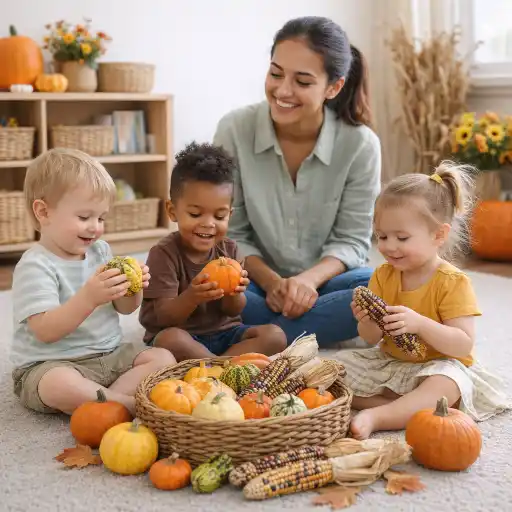
Family engagement strengthens learning continuity. Build predictable, low-burden ways for families to participate:
- 📸 Weekly photo or video highlights of harvest activities so families see what their children experienced.
- 🥡 Flexible participation: offer take-home sensory bags, seed packets, or a “mini market” shopping list families can extend at home.
- 🍽️ Culture-sharing events: host a “stories & seeds” evening where families share brief traditions (no pressure to perform).
- 🌐 Digital sharing: create a private group for resources, volunteer sign-ups, and simple how-to guides for home extensions (family engagement resource).
- 🤝 Community partners: invite a local farmer, gardener, or library storyteller to lead a short station — great for real-world connections.
How do I protect children’s health, cultural dignity, and the environment (common mistakes and how to avoid them)?
Common mistakes happen when good intentions outpace planning. Avoid these pitfalls:
- ⚠️ Mistake: Serving shared foods without allergy checks. Fix: Follow the CDC checklist and get written permissions; offer non-food alternatives (CDC guidance).
- 🎭 Mistake: Treating cultural elements as costumes or caricatures. Fix: Use respectful, research-based materials and invite family input; follow the inclusive framing suggested in ChildCareEd’s cultural posts (resource).
- 🧽 Mistake: Overloading classrooms with messy activities without a cleanup plan. Fix: Use dropcloths, rotate centers, and set clear clean-up roles (children can learn responsibility).
- ♻️ Mistake: Collecting natural materials irresponsibly. Fix: Use ethically gathered items, prioritize reusable or biodegradable materials, and avoid disturbing protected habitats.
- 🚨 Mistake: Ignoring state licensing rules. Fix: State requirements vary - check your state licensing agency early in planning.
Summary
Inclusive, sensory-rich harvest celebrations are practical and powerful: they nurture belonging, develop skills, and connect children to nature and community. Start small with 1) a nature-based sensory station, 2) a non-food classroom ritual (flower or gratitude wall), and 3) a family-sharing invitation that asks for one brief contribution. Use ChildCareEd resources for activity examples and training (pumpkin sensory bins, sensory bin guide, classroom garden), and always prioritize health policies like the CDC food allergy guidelines.
FAQ
- Q: Can I include food in harvest activities? A: Yes — with written permissions, allergy plans, and labeled ingredients. If unsure, offer non-food options.
- Q: How do I handle a family who asks not to participate? A: Honor their choice; offer alternate ways to participate (photos, object donations, or no participation).
- Q: How often should I rotate harvest stations? A: Rotate weekly or by small-group sessions to reduce overstimulation and allow deep engagement.
- Q: Where can staff get training on cultural responsiveness? A: Consider ChildCareEd’s Strength in Differences Buy Now $24.00 course and local cultural competency workshops.
Use nature and low-cost materials to design multisensory invitations. ChildCareEd’s sensory-bin guides and fall sensory posts offer step-by-step ideas (sensory bin, pumpkin spice bins).1) Use “some families” language and invite sharing rather than assuming participation. The ChildCareEd guidance on holiday inclusion encourages using shared values (learning, gratitude, food, nature) to frame classroom conversations (see resource).1) Celebrations rooted in nature and culture build belonging and respect across differences. See ideas for teaching about global holidays in the classroom in Celebrating Diverse Cultures.
- 45 Hour Preschool Methods and Materials
- CDA: Creating the Outdoor Classroom
- The Best Promotion is Play
- Effective Approaches for Autism and Inclusion
- Play with Purpose: Supporting Children with Autism
- Sensitive Periods in Montessori: Guiding Natural Learning
- Texas Director Credential
- Building Bridges for Dual Language Learners
- Montessori Cultural Activities: Exploring the World Through Play and Learning
- Today Is Earth Day!
- Thanksgiving Booklet Activity
- What is Shavuot, Eid al Adha & Juneteenth
- Seasonal Changes and School Prep: Adapting to Weather and Activities
- Nature’s Classroom: Why Fall Is the Best Season for Sensory Learning Outdoors
- Pumpkin Spice and Sensory Delight: Easy Autumn Sensory Bins for Early Learners
- Celebrating Diverse Cultures: Upcoming Holidays from Around the World
- How Neurodivergent Kids Shine During the Holidays
- CDA Certification en Español: Recursos y Consejos para Educadores Bilingües
- Recursos en Español sobre el Sueño Seguro del Bebé
- Consejos de Supervisión Activa para Salones de Preescolar y el Juego al Aire Libre
- How can childcare programs support farm families with flexible care in rural North Dakota?
- Growing and Learning: Classroom Gardens for Kids
- Canciones, juegos y preguntas de círculo para niños
- How can childcare programs celebrate the harvest season in ways that are inclusive, safe, and sensory-rich?
- How can I plant a classroom garden with preschoolers?
- How Can Farm-to-Table Experiences Teach Toddlers Where Food Comes From?
- How Can You Plan a Food-Learning Activity for Children with Different Dietary Needs?
- What Should You Ask Families Before a Classroom Winter Celebration?
- How Can You Plan October Classroom Activities for Children Who Do Not Celebrate Halloween?
