Food allergies are common and can be scary for families and staff. In New York child care, clear steps keep children calm and safe. This short guide helps directors and providers set easy routines, train staff, work with families, and be ready for emergencies. Remember: state requirements vary - check your state licensing agency.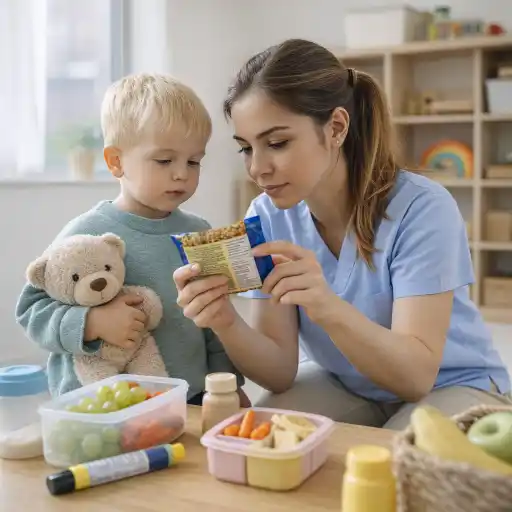
Why it matters:
1. Preventing allergic reactions saves lives and reduces stress for families and staff.
2. Good plans help everyone act fast when a child needs help.
3. Trust between your program and families makes daily care calmer and safer. Use these simple ideas from ChildCareEd: How to handle food allergies in child care and the CDC Food Allergies in Schools.
Quick tags: keep these words in mind as you read — #children #allergy #staff #epinephrine #safety
What are the basic rules to prevent food allergy reactions in my New York program?
Use short, repeatable steps so everyone remembers what to do. These are the foundation of a safe program. See helpful examples at ChildCareEd.
- 🧼 Wash and wipe: 1) Wash hands before and after eating for staff and children. 2) Clean and sanitize tables and high-touch areas after meals. These reduce tiny crumbs that can cause big reactions. The CDC toolkit offers planning ideas: Food Allergies in School: Toolkit.
- 🍽️ Simple meal rules: 1) No food sharing. 2) Serve children with allergies first using clean utensils. 3) Label allergy-safe meals and store them separately. ChildCareEd explains practical daily routines in How to Handle Food Allergies.
- 🚫 Avoid cross-contact in the classroom: 1) Choose non-food sensory materials when possible. 2) Keep cooking projects and food-based art controlled and pre-approved by families. ChildCareEd warns about sensory bins and crafts that may contain allergens: see guidance.
- 🔖 Collect and post key info at enrollment: 1) Ask families for the child’s allergens, usual reaction, emergency contacts, and a health care provider’s action plan. Keep a one-page plan in the child file and a room-level list for staff. ChildCareEd gives sample intake steps: How can early childhood programs prevent and respond to allergies?.
- 🧴 Use safe cleaning products and teach staff to follow labels. Cleaners can help but must be used safely; follow product directions and ventilate when needed.
How should we prepare for and respond to an allergy emergency (anaphylaxis)?
Anaphylaxis is fast and can be life-threatening. Epinephrine is the first treatment. Train staff to recognize signs and act right away. The CDC and ChildCareEd emphasize quick recognition and a clear plan (CDC, ChildCareEd).
- 🆘 Know the signs: 1) Skin: hives, swelling. 2) Breathing: coughing, wheezing, throat tightness. 3) GI: vomiting or belly pain. If more than one body part is affected, treat as an emergency.
- 📦 Have a written plan and medicines ready: 1) Keep each child’s doctor-signed Allergy Action Plan on file. 2) Store prescribed epinephrine where staff can reach it fast. ChildCareEd offers forms and tips: sample plans.
- 💉 Use epinephrine first: 1) If you suspect anaphylaxis, give epinephrine, then call 911. 2) Stay with the child, monitor breathing, and document the events. Children’s hospitals advise having two doses available and practicing the device steps (5 Ways to Prepare for an Allergy Emergency).
- 🔁 Practice and review: 1) Do drills and role-play so staff know who does what. 2) After any event, review the response and update the plan. Some New York advocates are pushing for training and epinephrine stock in daycares; follow local rules and proposals such as those discussed by Allergy Advocates NY.
- 📣 Remember: call 911 after giving epinephrine and contact the family. Document time, food, and steps taken.
How do we train staff and work with families to keep plans strong?
Good teamwork and training make allergy plans real and reliable. Use short training sessions, clear roles, and steady communication. ChildCareEd has training courses and outcome guides that help programs build staff skills and policies: Medication Administration & Allergy Response Buy Now $7.00 and outcome pages like Elijah's Law overview.
- 📝 Intake items to collect: 1) Doctor-signed Allergy Action Plan. 2) List of allergens and usual symptoms. 3) Medicine and permission forms. 4) Emergency contact info and a current photo. ChildCareEd gives a helpful checklist on how to handle food allergies.
- 👩🏫 Train and refresh staff: 1) Teach recognition of symptoms and epinephrine use at hire and yearly. 2) Run short, regular drills. 3) Make sure substitutes know where plans and meds are kept. ChildCareEd outcome pages for training topics include safe practices.
- 📬 Communicate with families: 1) Share menus, field trip plans, and party policies early. 2) Offer a safe snack list and ask families for approved substitutes. 3) Keep privacy—post room-level allergy lists where only staff can see them. For practical, event-specific guidance, provide families and staff with clear procedures for celebrations and parties; see how to handle holiday food allergies in your classroom for strategies to keep classroom holidays safe and inclusive.
- 🔁 Review yearly: 1) Update action plans and physician notes at least once a year or when a child’s health changes. 2) Retrain staff after any change.
What common mistakes happen, and how do we avoid them?
Knowing common pitfalls helps you fix small problems before they become big. Use this checklist and a short FAQ to guide staff and families.
- 🚫 Mistake: Letting children share food. Fix: Make a no-sharing rule and teach it to children and families. Post the rule and practice it at snack time.
- 🚫 Mistake: Not checking labels every time. Fix: Assign a staff person to read labels for each snack. Brand ingredients change; don’t assume a product is safe. Read more about labeling and cross-contact risks in government and policy summaries: Food Labeling: Allergy Information.
- 🚫 Mistake: Storing meds where substitutes can’t find them. Fix: Post clear storage locations and train all staff, including substitutes, on where to find epinephrine and action plans.
- 🚫 Mistake: Using food in sensory play without permission. Fix: Choose non-food materials or get written family consent and follow strict cleaning routines.
FAQ (short answers):
- Q: Who can give epinephrine in my program? A: That depends on state rules and your policy. Train designated staff and follow local law and guidance from training bodies like ChildCareEd.
- Q: Can my program be totally nut-free? A: Some programs choose this. It helps reduce risk but does not guarantee safety. Focus on routines that prevent cross-contact.
- Q: How often should staff get refreshers? A: At hire, yearly, and short practice drills quarterly if possible.
- Q: Do we need a doctor’s note? A: Yes. Get a health care provider’s action plan that lists meds, doses, and symptoms.
Summary
1. 📝 Collect a doctor-signed Allergy Action Plan at enrollment. 2. 🧼 Use daily prevention: wash hands, clean surfaces, no food sharing, label safe food. 3. 🎓 Train staff on epinephrine and run drills. 4. 📦 Store meds where staff can reach them and post room-level info for authorized staff. 5. 🤝 Communicate often with families and protect privacy.
Primary resources to build your plan: ChildCareEd guides and training (How to handle food allergies), the CDC food allergy toolkit (CDC Toolkit), and local New York updates such as advocacy for epinephrine training and stocking (Allergy Advocates NY).
With steady routines, clear roles, and calm communication, your program can make the day safer and less stressful for families and staff. State requirements vary - check your state licensing agency.
- 45 Hour Child Growth and Development
- Basic Health & Safety and Breastfeeding Awareness
- 45 Hour Preschool Methods and Materials
- Medication Administration and the Prevention of and Response to Food and Other Allergies in the Child Care Environment
- Nutrition Essentials for Child Care Providers
- Pediatric RSV First Aid & CPR/AED
- Medication Administration and the Prevention of and Response to Food and Other Allergies in the Child Care Environment
- Texas Director Credential
- Healthy Cooking for Picky Kids
- ChildCareEd is now an EIP Training Organization!
- CDA Subject Area 1 Training: A Targeted Approach to Early Childhood Education
- CDA Certification en Español: Recursos y Consejos para Educadores Bilingües
- How Can New York Childcare Providers Prevent Childhood Obesity with Better Nutrition?
- How can New York childcare providers help picky eaters in daycare?
- How can New York early childhood programs use garden-based learning?
- How Can New York Childcare Classrooms Cook with Kids Safely and Simply?
- How can New York childcare workers help children build a strong sense of identity in a big city?
- How is online childcare training helping New York educators deliver better early childhood education?
- How do I get OCFS-ready for publicly funded programs: training and recordkeeping steps?
- Why Does Child Care Cost So Much in New York — And How Can Providers Talk to Families About Value?
- How Can I Bring the World Cup into a Multicultural Preschool Classroom in New York?
- What is a simple first-week training plan for staff onboarding in New York child care?
- How can New York child care providers safely celebrate National Ice Cream Day with fun activities?
- How can New York child care programs best support children with food allergies?
- How can I start a small garden project with New York preschoolers?
- How can child care programs build healthy eating habits that last?
- Food Program for Childcare Providers: Are You Missing Out on Meal Reimbursement?
- How Can Child Care Providers Strengthen Food Safety Practices?
