What should you know first about food allergies?
A food allergy happens when a child’s body reacts to a food as if it is harmful. Even a tiny amount can cause a reaction for some children.
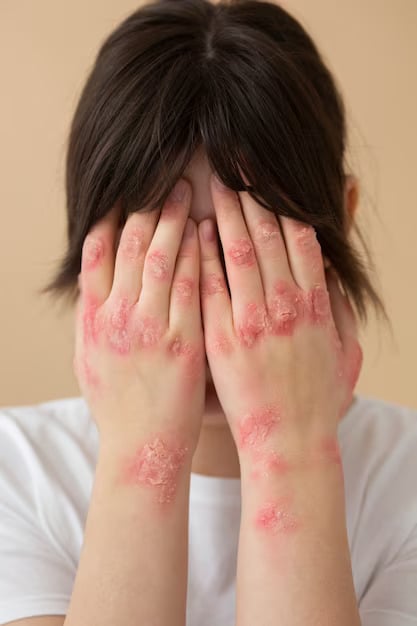
Some reactions are mild, like a few hives or an itchy mouth. Some reactions are severe. A severe allergic reaction is called anaphylaxis (an-uh-fuh-LAK-sis). This can affect breathing and can be life-threatening.
Common allergy foods include:
- Peanuts and tree nuts
- Milk
- Eggs
- Wheat
- Soy
- Fish and shellfish
- Sesame
When you treat food allergies seriously every day, you help prevent emergencies. That’s #FoodAllergySafety.
What information should you collect from families right away?
The best time to prevent problems is before a child eats their first snack at your program.
Ask families to share:
- The child’s food(s)
- What the child’s reaction usually looks like
- Any needed medicine (and how it should be used)
- Emergency contacts
- Safe substitute foods the family approves
- A current photo of the child (helpful for quick reminders)
Tip: Keep this information in a place that #staff can find fast, but still protect privacy. Only staff who need to know should see it.
How do you make a clear allergy plan for each child?
For each child with food allergies, create a one-page plan that answers:
- What can this child NOT eat?
- What are #safe foods?
- What are the first signs of a reaction for this child?
- What should staff do first, second, and third?
- Where is the child’s medication stored (and who can access it)?
Also, decide who does what:
- Who checks labels?
- Who serves food?
- Who cleans tables after meals?
- Who calls 911 if needed?
When everyone knows their role, there is less confusion in a #stressful moment.
How can you prevent allergy exposure during meals and snacks?
Most allergy emergencies happen during eating times. Use routines that are simple and repeatable.
Try these daily safety steps:
- Wash hands #before-and-after eating (staff and children)
- Clean tables with your program’s approved cleaner before and after meals
- Do not allow children to share food, cups, or utensils
- Use separate utensils for allergy-safe foods (separate scoop, tongs, etc.)
- Keep allergy-safe foods in a cl #early labeled area
- Read labels every time (brands and ingredients can change)
Helpful meal-time habits: 
- Serve children with allergies first (using clean utensils)
- Keep sauces and spreads (like peanut butter) away from shared areas
- Use clear labels like “ALLERGY-SAFE” on containers and trays
How do you avoid “cross-contact” in the #classroom?
Cross-contact is when an allergenic food touches a safe food (or a surface), and the allergen spreads. This can happen outside the kitchen, too.
Watch out for:
- Play-dough (may contain wheat)
- Sensory bins (may include cereal, pasta, or beans)
- Cooking projects and taste tests
- Art supplies (some may contain food ingredients)
- Classroom celebrations (cupcakes, candy, treats)
Easy fixes:
- Ask families to bring non-food celebration options
- Keep a list of “safe #classroom-activities” that do not include food
- Clean shared tools (rolling pins, cookie cutters, tables) right after use
What should staff do if a child has an allergic reaction?
Staff should know the difference between mild and severe symptoms, and they should follow the child’s plan.
Possible signs of an allergic reaction:
- Hives, itching, swelling (lips, face)
- Coughing, wheezing, trouble breathing
- Vomiting, stomach pain
- Dizziness, fainting, acting “very sleepy” suddenly
If you ever suspect anaphylaxis, treat it as an #emergency:
- Follow the child’s action plan
- Call 911
- Give emergency medication if the plan says to (only trained/authorized staff, based on your program and state rules)
- Contact the family after 911 is called
- Stay with the child and monitor breathing until help arrives
- Document what happened (what food, what time, what steps were taken)
A simple visual reminder can help in a stressful moment. You can post a #free resource like the Anaphylaxis Wall Poster Buy Now $0.00 where staff can see it quickly: Buy Now $0.00
How do you train #staff-so everyone feels confident?
Food allergy safety is not “one time” training. You need refreshers, practice, and a plan for new staff and substitutes.
Strong training steps include:
- Review allergy #plans during onboarding
- Do quick practice drills (like “What would you do first?”)
- Make sure substitutes know which children have allergies
- Practice safe food handling and cleaning routines
- Review how to communicate with families calmly and clearly
ChildCareEd courses that can support staff training include:

How do you talk with families about food allergies in a helpful way?
Families of children with allergies may feel worried every day. Clear communication helps build trust.
Try these simple communication habits:
- Ask families what has worked well at home
- Share your meal routines and cleaning steps
- Give updates if you notice new symptoms (like rashes after snack)
- Tell families early about special events that may include food
- Keep a “safe snack list” that families can use for classroom events
When you set a kind, calm tone, families are more likely to partner with you. That helps everyone.
Where can you find more help and stay connected?
For more ideas on allergy and #asthma safety in child care settings, you can also read this ChildCareEd article: ASTHMA AND ALLERGIES: Caring for Children with Asthma and Allergies in Child Care Facilities
And for quick tips, printable ideas, and real-life child care content, follow ChildCareEd here: https://www.childcareed.com/social-posts.html.
You’ll find shareable posts you can use with staff and families too!
- Illness, Medication, and Allergies in Child Care
- Basic Health & Safety and Breastfeeding Awareness
- Medication Administration and the Prevention of and Response to Food and Other Allergies in the Child Care Environment
- Health and Safety Orientation
- Nutrition Essentials for Child Care Providers
- CDA Bridge Bundle: Family Child Care
- Medication Administration and the Prevention of and Response to Food and Other Allergies in the Child Care Environment
- Texas Director Credential
- CDA Infants/Toddlers: Smart Nutrition & Feeding
- How can child care programs teach great nutrition and healthy eating habits?
- How can North Dakota childcare programs plan healthy meals and follow CACFP?
- How Can New York Childcare Classrooms Cook with Kids Safely and Simply?
- How can Michigan daycares teach healthy eating habits to toddlers?
- Diversión fresca de verano: actividades del Día Nacional del Helado para niños
- Snack Ideas for Daycare: Healthy Options Children Will Enjoy
- Ice Cream Day Crafts, Games, and Learning Activities
- How can my North Dakota program make the most of food programs like CACFP?
- How can food safety training protect children in my child care program?
- Snack Time in Daycare: Healthy Foods and Safety Tips
- How should Minnesota child care programs handle allergies and special diets?
- How can Minnesota child care providers celebrate National Ice Cream Day safely and with fun activities?
- How can Alabama child care providers celebrate National Ice Cream Day safely and with learning?
- How can my child care program keep children safe from food allergies?
- How can New York child care programs best support children with food allergies?
- How can child care programs build effective food allergy awareness and emergency response plans?
- How can child care programs effectively manage food allergies to keep children safe?
- How can child care programs prevent seasonal safety hazards like heat, cold, allergies, holiday risks, and outdoor play dangers?
- How can child care providers support children with feeding difficulties?
- How Can You Plan a Food-Learning Activity for Children with Different Dietary Needs?
