Garden-based learning is a hands-on way to teach young children about science, food, art, and social skills. In New York, even small spaces can become a #garden classroom where #children explore, play, and learn. This article helps child care providers and directors plan activities, stay safe, find funding, and connect lessons to early learning goals. Remember: state requirements vary - check your state licensing agency.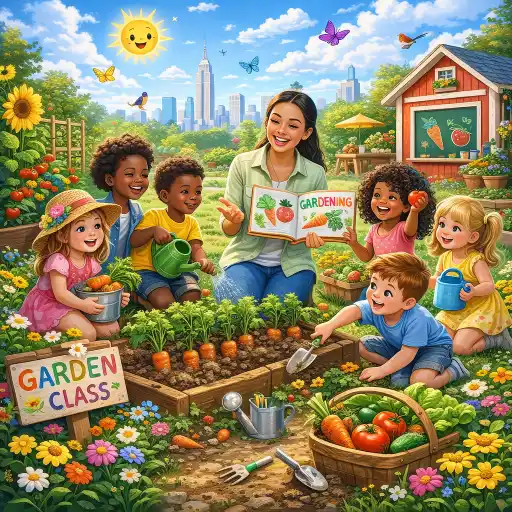
Why it matters:
1. Children who garden touch real science: planting seeds, measuring growth, and observing life cycles. Research shows garden programs build stronger attitudes about the environment and boost engagement in learning (see garden-based research summaries and benefits) as part of How to Build a Classroom Garden.
2. Gardening supports health and social skills: kids try new foods, practice sharing tools, and feel pride when things grow. Use simple garden projects to support your program’s curriculum and family engagement.
How do we start a garden-based learning program in a New York early childhood setting?
1. Make a simple plan (space, sun, water):
- 1) Choose location: window boxes, raised beds, or pots—pick a spot with sun or add lights for indoor projects. See step-by-step tips in How to Build a Classroom Garden.
- 2) Pick easy plants: herbs and quick greens (basil, lettuce, sunflowers). The Herb Society lists child-friendly herbs and sensory ideas.
2. Build partnerships and permissions:
- 1) Talk with your director and families about the plan.
- 2) Check licensing, allergy, and safety rules—state requirements vary, so confirm with your licensing agency.
- 3) Partner with local groups (botanical gardens, extension offices) for expertise; ChildCareEd resources on outdoor classrooms can guide design and safety checks (The Natural Classroom, Bye Bye Winter). For practical examples of how an outdoor classroom can structure learning, community partnerships, and seasonal programming, see The Great Texan Outdoor Classroom.
3. Start small and schedule routines:
- Begin with 1–2 pots or a raised bed.
- Assign watering days and simple journals for observation.
- Plan seasonal tasks so learning continues year-round.
What garden activities teach key skills and fit early learning goals?
Hands-on, short activities work best for young children. Here are practical ideas you can adapt to your program—each links to learning goals (science, math, literacy, social-emotional):
- 🌱 Plant & observe (science & math)
- Plant seeds in clear cups to watch roots and shoots. Count days to sprout and measure height each week (math).
- Link to curriculum: use planting as part of a project-based theme on #learning about life cycles (Play, Explore, Grow).
- 🎨 Nature art & language
- Make leaf rubbings, flower collages, or clay seed mosaics. Children describe textures and colors to build vocabulary.
- 🥕 Food tastes & tiny chefs
- Turn harvests into snacks: taste-tests and simple cooking help kids try vegetables and learn nutrition. See creative snack ideas at Tiny Tastemakers.
- When garden harvests make it to the snack table, staff benefit from strong food safety and nutrition knowledge. ChildCareEd's Food Preparation and Nutrition
 Buy Now $32.00 is a 4-hour online course covering child nutrition basics, safe food handling, and how to turn simple food experiences into meaningful learning moments — a natural complement to the tasting and tiny chefs activities in this guide.
- 🔬 Sensory science stations
- Soil exploration, worm watches, and magnifier stations build inquiry skills. Child-friendly sensory gardens are great and fit into nature-as-classroom ideas.
- 🌿 Pollinator & habitat projects
- Plant flowers for butterflies and bees; create simple signs and count pollinators on a walk. Use resources from local botanical gardens or Little Explorers.
How to connect to standards:
- 1) Map each activity to an objective (e.g., counting seeds = math; plant life cycle = science).
- 2) Document with photos, child quotes, and sample drawings for assessment.
How do we manage safety, maintenance, and sustainability day-to-day?
Keeping a garden healthy and safe needs routines and simple policies. Here’s a checklist providers can use:
- 🧰 Safety & rules
- 1) Do an on-site safety check: tools with blunt edges, covered water sources, sun protection. See outdoor classroom safety guidance at The Natural Classroom.
- 2) Watch allergies and food rules; get signed permission for tasting activities and check for choking risks. State requirements vary - check your state licensing agency.
- 💧 Watering & seasonal care
- 1) Create a rotating watering chart with staff and children as helpers.
- 2) Plan winter tasks: indoor seed-starting or nature tables if outside is closed (see Bye Bye, Winter).
- ♻️ Compost & waste
- 1) Start a small compost with sealed bins or worm composting; it reduces waste and feeds the #compost system. Funding and community projects in NY support composting—see the Green School Grant Program and local organics programs like NYC DSNY organics efforts (DSNY Trash Talk).
- 2) Use EPA and community resources for food-waste outreach and safe composting practices (EPA Food Waste Resources).
- 👩🌾 Staffing & volunteers
- 1) Train staff: short workshops on plant care and child supervision. ChildCareEd courses on outdoor classrooms help staff feel confident (Creating the Natural Outdoor Classroom).
- 2) Involve families and community volunteers to help with maintenance and to extend learning at home.
- 3) Outdoor classroom training: To help staff feel confident managing garden spaces and supervising outdoor learning, ChildCareEd's Creating the Natural Outdoor Classroom Buy Now $16.00 is a 2-hour online course that covers how to design and run safe, engaging outdoor environments — a practical first step for any provider launching or expanding a garden-based program.
Common mistakes and how to avoid them:
- 1) Over-planting: start small—too many plots mean neglected beds.
- 2) No watering plan: assign clear daily roles.
- 3) Forgetting documentation: take pictures and short notes to show learning and support grant reporting.
How can New York programs find funding, partners, and grow the program beyond the garden?
1. Funding sources to explore:
- Apply for local New York grants like the Green School Grant Program (NYSAR3) for composting and waste projects: Green School Grant Program.
- Look for small capacity-building grants from organizations such as Terra Science and Education: Terra grants.
- Search EPA environmental education grants and community programs for larger projects: EPA grants news and archived resources (EPA program profiles).
2. Building community partners:
- 1) Local botanical gardens, Cornell Cooperative Extension, or environmental nonprofits can provide training, plant donations, and field trip options. See New York field trip ideas at Field Trip Ideas in New York.
- 2) City agencies (like DSNY) may have organics programs and outreach materials to support composting and waste reduction.
3. Steps to a strong grant application:
- 1) Define goals and learning outcomes (link to curriculum objectives).
- 2) Create a realistic budget and timeline.
- 3) Gather letters of support (director, partner, parent volunteers).
- 4) Plan evaluation: how will you document learning and garden success?
FAQ (quick answers):
- Q: Do I need a lot of space? A: No—containers and window boxes work well.
- Q: How do we handle pests? A: Use child-safe, organic methods and teach observation as part of science lessons.
- Q: Can infants be part of garden learning? A: Yes—sensory touches and outdoor naps are part of nature connection; follow licensing rules for infant care.
- Q: Who manages compost? A: Staff plus older children can help; partner with a local group if larger compost is needed.
- Q: Where do we find lesson plans? A: ChildCareEd has courses and articles on outdoor classrooms and curriculum connections (ChildCareEd).
Summary:
1. Start small, plan clearly, and map activities to learning goals. 2. Use simple, repeatable routines for watering, safety, and documentation. 3. Seek local partners and grants in New York to support composting, tools, and training. 4. Celebrate wins—harvests, photos, and children’s stories make gardens a powerful learning space. Your #outdoor #garden can become a year-round laboratory for #children to grow, explore, and learn—one seed at a time.
- 45 Hour Child Growth and Development
- CDA Home Visitor Subject Area 3 Part 3 Birth to 5
- CDA Home Visitor Subject Area 2 Part 3 Birth to 5
- Pediatric RSV First Aid & CPR/AED
- 45 Hour School Age Methods and Materials
- 24 Hour Texas Pre-Service
- CDA Bridge Bundle: Family Child Care without Portfolio Review
- Texas Director Credential
- Montessori Cultural Activities: Exploring the World Through Play and Learning
- From Challenges to Triumphs: Strategies for Childcare Educators in New York
- CDA Certification en Español: Recursos y Consejos para Educadores Bilingües
- Field Trip Ideas in New York: Engaging, Educational, and Fun Adventures for Children
- Recursos en Español sobre el Sueño Seguro del Bebé
- Proporciones de Cuidado Infantil y Tamaños de Grupo por Edad en Virginia (Guía Rápida para Centros y Hogares)
- Cómo Trabajar en el Cuidado Infantil en Carolina del Norte: Requisitos y Pasos
- What is the latest news about child care in New York and how does it affect providers?
- How can child care providers use the science of reading to boost early literacy in New York?
- Capacitación CDA gratuita en Illinois
- How can New York early childhood programs use garden-based learning?
- How can New York childcare programs help children in the concrete jungle fall in love with nature?
- Cómo simplificar la capacitación para sus empleados de daycare
- How can New York providers bridge the summer gap with year-round learning?
- How Does Guided Play Build School-Ready Skills in New York Preschoolers?
- How can I build a nature-based curriculum for my New York program?
- How can I start a small garden project with New York preschoolers?
- How can I plant a classroom garden with preschoolers?
- How Can Early Childhood Programs Implement Practical Sustainability Practices?
- ¿Todos los niños deben participar en el tiempo de círculo?
