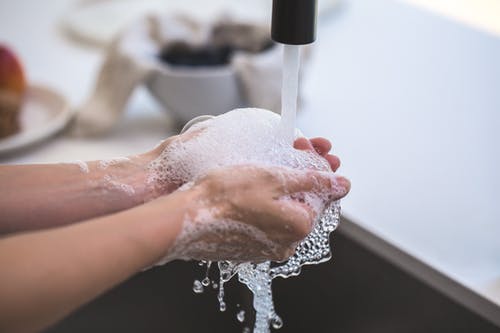
If the pandemic has taught us anything, it is that infectious diseases are a real threat to not only our health but our daily lives as well. Keeping infants and toddlers healthy is one of the most important tasks programs oversee. Infectious disease control is imperative in maintaining a healthy and clean learning environment for both children and teachers in a program. Two ChildCareEd courses that address these competencies are Shoo, Germ! Don't Bother Me  Buy Now $24.00 and Prevention and Control of Infectious Diseases Buy Now $16.00, each designed to help providers identify communicable conditions, craft hygiene policies, and document training credits required by many registries.
What training and courses support infection control in child care?
Some of the courses that we offer are Shoo, Germ! Don’t Bother Me Buy Now $24.00 and Pillars of Health and Safety in Child Care, among others. To see a full list of related trainings please click here.
What daily practices most reduce transmission in group care?
Consistent, context-appropriate routines are the foundation of infection control. Prioritize: frequent, supervised handwashing for staff and children; cleaning and targeted disinfection of high-touch surfaces; exclusion and cohorting policies when illness occurs; clear documentation and communication with families; and immunization adherence for staff and eligible children. Practical implementation requires written procedures, role-assigned tasks (who cleans, when, and with what product), and a brief daily checklist to ensure reliable performance. See practical classroom routines and activity-based guidance in our article How can childcare settings prevent the spread of illness? which offers actionable steps for scheduling handwashing, managing shared materials, and aligning routines to developmental needs.
When should a child be excluded, and how do I write a usable exclusion policy?
Exclude children for conditions that increase contagion risk or require medical care beyond the classroom. Common exclusion triggers include fever with behavior change, uncontrolled vomiting or diarrhea, open draining wounds, and suspected contagious rashes. A usable policy must: (1) list specific symptoms that prompt exclusion; (2) describe when return is allowed (e.g., 24 hours fever-free without antipyretic, physician’s note for specific infections when required); (3) explain notification procedures for families and staff; and (4) provide steps for documentation and cleaning of affected areas. For examples of exclusion language and guidance on documentation, read Infection Control Practices for Child Care Settings.
How do I teach hygiene to infants and toddlers so it actually works?
Teaching hygiene to very young children is not about lecturing; it is about embedding routines into caregiving moments and modeling behavior. Use caregiving transitions (diapering, feeding, outdoor play transitions) to cue handwashing; pair a short song or phrase with the action; maintain visual supports near sinks; and scaffold expectations—assist toddlers with wetting/soaping/rinsing while narrating each step. For older preschoolers, combine demonstration, guided practice, and positive reinforcement. Practical activities and curriculum-aligned strategies are described in our article Which Handwashing Activities Best Help Young Children Build Healthy Habits?.
Which ChildCareEd courses should I take or require staff to take?
Choose trainings that match your regulatory requirements and the developmental groups you serve. Recommended, commonly accepted trainings include:
- Prevention and Control of Infectious Diseases Buy Now $16.00 — focused on protocols, immunization basics, and classroom policy;
- How To Keep A Healthy Class: Six Tips for Germ Control Buy Now $24.00 — practical, classroom-focused strategies for infants and toddlers;
- Handling and Storage of Hazardous Materials Buy Now $10.00 — for programs that manage bodily fluids or medical waste.
Note: ChildCareEd courses provide CEUs and clock hours as documented on individual course pages; acceptance for state registry credit varies by state and role — always confirm with your licensing agency. The course page for Shoo, Germ! Don't Bother Me Buy Now $24.00 documents course objectives and CEU/clock-hour award criteria and is a useful reference for program recordkeeping.
How do I communicate policies and partner with families?
Clear communication reduces confusion and builds trust. Distribute a short, plain-language illness policy at intake and post it in your entrance area and parent communication channels. Explain exclusion criteria, notification expectations, and what documentation (for example, a physician’s note) is required for return when relevant. Offer practical tips for families on keeping sick children home and for maintaining continuity of learning during short absences (e.g., brief activity packets or communication notes about what the child missed). Our articles on classroom preparation for cold-and-flu season and on developing health-and-safety orientation content provide templates and practical language: How should I prepare my classroom for cold and flu season beyond cleaning? and What should child care providers learn in Child Care Health and Safety Training?.
What should I do next?
Start by documenting or updating your program's written hygiene and exclusion policies, assign daily cleaning responsibilities, and schedule at least one staff training using a course that aligns with your state's registry rules. For quick practical reading and classroom-level activities, see Band-Aids, Germs & Giggles and How can child care programs prevent infections and keep kids healthy? for parent communication examples and activity ideas. If you need sample daily checklists, cohorting language, or exclusion templates, our article How can the last 15 minutes of the day keep children, families, and staff safer and calmer? includes operational practices that reduce cross-contamination risk.
Summary: What are the immediate steps programs should take to strengthen infection control?
Use the following concise, actionable checklist to convert the article's guidance into daily practice. 1) Update written policies: list clear exclusion criteria, return-to-care criteria, notification steps for families and staff, and documentation requirements. 2) Assign responsibilities: name who completes daily cleaning, weekly deep-clean tasks, and who documents exclusions and parent communications. 3) Standardize routines: schedule supervised handwashing times tied to caregiving transitions and embed visual prompts near sinks. 4) Train staff: require at least one focused staff inservice each program year that reviews exclusion rules, cleaning protocols, and documentation practices, and store the training record. 5) Communicate with families: distribute the illness policy at intake, post it at entry points, and use a short template message for illness notifications. 6) Verify approvals: before assuming registry credit for any training, confirm acceptance with your state licensing or registry. These steps make infection control operational, auditable, and easier for staff to sustain.
H & H Child Care Training Courses grant .2 CEUs or more and award state-registered clock hours for many providers; confirm approval with your licensing agency before assuming credit. For a focused, two-hour review of infectious-disease prevention practices, consider the Prevention and Control of Infectious Diseases course. Key topics covered across these resources include routine cleaning and disinfection, cohorting, exclusion criteria, teaching hygiene to young children, and documentation for licensing.
References
- Shoo, Germs! Don't Bother Me! - online Buy Now $24.00 — course page describing the course purpose, CDA alignments, and CEU/clock-hour criteria (verified reference).
- Shoo, Germs! Don't Bother Me! - post — supporting article framing infectious-disease importance and course credit details (verified reference).
Key topics: #infectioncontrol #hygiene #handwashing #safety #health
- 18-Hour Train the Trainer
- Unlocking Support for Florida Childcare
- Birth to Five CDA Credential with Portfolio Review
- Intro to Cerebral Palsy
- Emergent Learning & Development
- Creating Environments that Nurture Growth and Community
- Texas Director Credential
- 40-Hour Director's Course
- Every Moment Matters: Schedules and Transitions
- Shoo, Germs! Don't Bother Me!
- Shoo, Germs! Don’t Bother Me!
- Infection Control Practices for Child Care Settings
- 🚨 Reporte Obligatorio en Nevada
- Cómo Abrir Una Quardería En Casa Sin Dinero?
- Cómo Obtener una Licencia como Proveedor de Guardería
- Requisitos de Cuidado Infantil en Nueva Jersey para Centros y Proveedores de Cuidado Infantil Familiar
- Cómo Ser Maestra de Preescolar en Texas
- Which Handwashing Activities Best Help Young Children Build Healthy Habits?
- How can group child care programs effectively prevent the spread of illness?
- How should I prepare my classroom for cold and flu season beyond cleaning?
- How Can We Make Handwashing Fun and a Reliable Daily Routine?
- What 'Invisible' Skills Do Children Learn During Cleanup Time?
- How can the last 15 minutes of the day keep children, families, and staff safer and calmer?
- How Can Daycare Programs Prevent the Spread of Common Illnesses?
- What Are the Best Practices for Diapering and Handwashing Procedures in Child Care?
- How Can Child Care Providers Prevent the Spread of Illness in the Classroom?
- How Often Should Daycare Toys and Classroom Materials Be Cleaned and Sanitized?
- Cleaning, Sanitizing, and Disinfecting in Child Care: What’s the Difference?
