Cold and flu season challenges child care programs every year. Beyond routine cleaning, effective prevention is a layered, practical plan that combines air quality, daily routines, family communication, vaccination promotion, and smart policies so your #classroom stays open and children stay healthy. This article gives directors and providers concrete steps you can implement now — with links to trusted resources and ready-to-use ideas you can share with staff and families. Remember: state requirements vary - check your state licensing agency.
Why does planning beyond surface disinfecting matter?
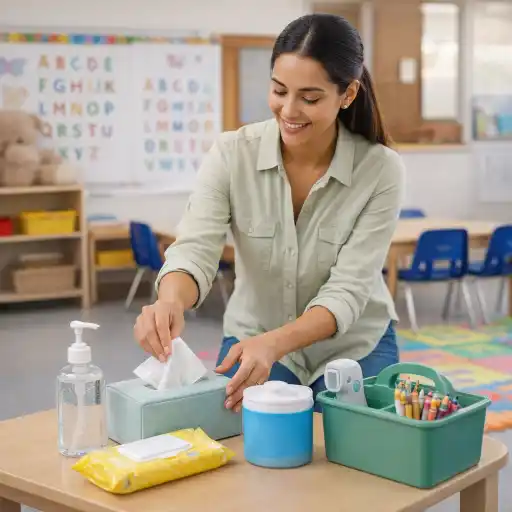
Why it matters:
1) Respiratory viruses spread through the air and on hands as well as on surfaces. Improving ventilation and teaching consistent hygiene reduce exposure to airborne particles as part of ventilation best practices.
2) Simple, sustainable routines (handwashing, exclusion policies, vaccination promotion) reduce staff absences and keep classrooms functioning. See practical, classroom-focused ideas in Infection Control Practices for Child Care Settings.
3) A layered approach—air, hands, vaccine, and policy—works better than any single action. Use national standards like Caring for Our Children when you design your plan.
How can I improve indoor air and ventilation to reduce transmission?
- 🔸 Maximize outdoor air: Open windows and doors safely when weather and building security permit. Even small openings increase airflow — see the CDC guidance on ventilation in schools and childcare.
- 💨 Set HVAC fans to run more: If possible, switch fan controls from "Auto" to "On" to circulate and filter air more continuously. Discuss any major HVAC changes with a qualified technician and refer to the CDC's ECE ventilation tips at Protecting Against Infections in Early Care and Education Programs.
- 🔹 Add localized air cleaning: Use portable HEPA air cleaners in high‑risk rooms (sick room, nap space, nurse's area). Place units where children cannot tamper with them and follow manufacturer guidance.
- 🌀 Use exhaust fans: Ensure bathroom and kitchen exhausts are functioning while spaces are occupied and for a short time afterward.
- 🔎 Monitor and document: Keep a simple log of ventilation actions (windows opened, HEPA units run) to share with staff and inspectors.
These actions reduce airborne virus concentration and complement other infection-control measures. For local outbreak response and reporting, partner with public health teams (example: San Diego County guidance).
What daily routines and classroom practices should I prioritize?
- 🧼 Hand hygiene schedule: Build handwashing into the daily flow (arrival, before/after meals, after outdoor play, after toileting, after blowing noses). Teach 20-second washing and supervise young children. The CDC's hand hygiene recommendations are summarized at About Hand Hygiene, and ChildCareEd offers classroom tools in How can we reduce germs … this fall?.
- 🙂 Mouthed‑toy protocol: Use a labelled "mouthed toy" bin; clean, sanitize, and return toys daily. See practical toy-handling tips in ChildCareEd's Infection Control resources.
- 🤧 Cough and sneeze etiquette: Post the "Cover Your Cough" poster and practice using tissues or elbows; wash hands immediately after. ChildCareEd provides printable classroom posters like Cover Your Cough Buy Now $0.00.
- 📅 Daily health checks: Greet children at drop-off and quickly screen for fever, vomiting, unusual lethargy, or breathing difficulty. Follow your exclusion criteria and communicate them clearly to families.
Consistent routines make prevention habitual and visible. Integrate these habits into lesson plans so children practice them naturally. These steps support #handwashing and reduce transmission.
How should vaccination, sick‑day policies, and family communication be handled?
Vaccination and clear policies are foundations of prevention:
- 💉 Promote vaccination: Encourage staff and families to stay up to date on seasonal flu and other recommended vaccines. Use the ChildCareEd guide Shots of Success and CDC flu resources at Preventing Seasonal Flu when communicating benefits.
- 📣 Communicate sick policies clearly: Share a short, bulleted memo that explains when to keep children home, your return-to-care criteria, and how to notify the program. Cite the CDC guidance on staying home when sick: When Students or Staff are Sick.
- 🔁 Support staff: Where possible, create flexible, non‑punitive sick leave so staff do not feel pressured to work while contagious — this protects everyone.
- 📋 Require and track records: Keep up‑to‑date immunization records and be familiar with state regulations; state requirements vary - check your state licensing agency.
- 🤝 Partner with families: Offer quick tips for home (vaccination reminders, when to test, hygiene routines) and provide resources such as the ChildCareEd Parent’s Guide to the Flu Buy Now $0.00.
When staff and families understand the "why" and the practical steps, compliance improves and outbreaks are less likely.
How do I build a layered plan and avoid common pitfalls?
Design a written, simple plan that layers measures and clarifies responsibilities. Include:
- 📘 Written protocols: 1) Ventilation checklist, 2) Hand hygiene routine, 3) Cleaning/sanitizing schedule, 4) Mouthed toy policy, 5) Sick-child isolation and return criteria. Use templates from ChildCareEd resources as starting points.
- 👩🏫 Staff training: Provide short, focused refreshers before peak season. Consider courses such as Shoo, Germs! Don't Bother Me!
 Buy Now $24.00 and other ChildCareEd trainings.
 - 🔍 Monitoring and improvement: Track absenteeism and patterns of illness; share trends in staff meetings and with families.
Common mistakes — and how to avoid them
- 🔸 Relying only on surface cleaning — fix: combine ventilation, hand hygiene, and vaccination.
- 🧾 Inconsistent communication with families — fix: send a short, seasonal memo and post your policy at arrival.
- ⚠️ Not supervising handwashing for younger children — fix: schedule and staff sinks during key times.
- 🧸 Forgetting mouthed‑toy protocols — fix: use labelled bins and daily washing routines.
- 🔧 Making HVAC changes without expert advice — fix: consult an HVAC professional and document any adjustments.
Conclusion
In short: create a layered, written plan that combines improved #ventilation, regular #handwashing routines, vaccination promotion, clear #policy communication, and smart #cleaning/toy protocols. Prioritize steps you can sustain: simple ventilation actions, supervised hand hygiene, and consistent family messaging. Use the ChildCareEd resources (e.g., Infection Control, seasonal tips) and CDC guidance on ventilation and hand hygiene for technical detail.
Quick takeaways (action list)
- 🔹 Run HEPA units in high‑use rooms and increase outdoor air when possible.
- 🔸 Schedule and supervise handwashing at key times; post visuals.
- 🔹 Use a mouthed‑toy bin; clean toys daily.
- 🔸 Promote flu and routine vaccinations to staff and families.
- 🔹 Share a clear sick‑child memo and support staff to stay home when ill.
FAQ
- Q: How long should HEPA units run each day?
A: Run during occupancy and, if possible, for 1–2 hours before and after the day to refresh air; follow manufacturer guidance. - Q: Can hand sanitizer replace soap and water?
A: Use hand sanitizer (≥60% alcohol) when soap/water aren’t available; soap and water remain the preferred method, especially for visibly soiled hands (CDC). - Q: When should a child be sent home?
A: Follow your exclusion criteria: fever (without fever‑reducing meds), vomiting, uncontrolled diarrhea, or worsening respiratory symptoms. Refer to CDC return‑to‑school guidance (When Students or Staff are Sick). - Q: Do we need to upgrade HVAC filters?
A: Improve filtration where possible (e.g., MERV‑13 if system supports it) and consult an HVAC pro before major changes (CDC ventilation). - Q: Where can I find ready‑to‑use materials for families?
A: ChildCareEd offers parent guides, posters, and templates (see Free Resources).
Putting a few sustainable, prioritized steps into practice will protect children, staff, and your program’s continuity. You don’t need perfection—start with 2–3 changes you can maintain, measure their impact, then build from there. #vaccination #cleaning #policy
Practical steps to improve air quality (prioritize low-cost/low-disruption actions first):Focus on simple, teachable routines you can sustain all season. Key elements include:- Coaching for Success: Inclusive Strategies to Support Children with Autism
- Beyond the Classroom: Connecting Families to Essential Services
- CDA Home Visitor Credential Birth to 5
- Supporting Little Hearts: Divorce and Separation in the Child Care Setting
- Texas Director Credential
- Every Moment Matters: Schedules and Transitions
- Everyday Safety: Creating Healthy Environments
- Shoo, Germs! Don't Bother Me!
- Tips for Child Care Professionals: Adapting to Seasonal Changes
- ❤️ ¿Cómo ayudan los educadores a las familias a acceder a los servicios que necesitan?
- ⏰ Cómo puedo facilitar las transiciones y las rutinas diarias en mi aula?
- 🌎 ¿Cómo apoyo a las familias diversas mientras honro su cultura y valores? 💜
- 👶 ¿Cuáles son las proporciones y grupos requeridos en Dakota del Norte? 🏫
- California Child Care Certificate Renewals: What to Renew and When
- Recursos en Español sobre el Sueño Seguro del Bebé
- Capacitación en Salud y Seguridad Preventiva en Línea para Proveedores de Cuidado Infantil
- Cómo Solicitar una Licencia de Guardería en Texas
- Proporciones de Cuidado Infantil y Tamaños de Grupo por Edad en Nueva Jersey (Guía Rápida para Centros y Hogares)
- Proporciones de Cuidado Infantil y Tamaños de Grupo por Edad en Virginia (Guía Rápida para Centros y Hogares)
- Lista para Guardería en Casa en Illinois: Cómo Iniciar una Guardería en el Hogar
- Lista para Guardería en Casa en California: Cómo Iniciar una Guardería en el Hogar
- Lista para Guardería en Casa en Texas: Cómo Iniciar una Guardería en el Hogar
- Retraso del Habla en la Guardería: Cómo Pueden Ayudar los Proveedores
- Celebrando la amistad en el cuidado infantil durante el Día de los Mejores Amigos
- Cómo simplificar la capacitación para sus empleados de daycare
- How should I prepare my classroom for cold and flu season beyond cleaning?
- How Can Classrooms Prevent the Spread of Illness During Cold and Flu Season?
