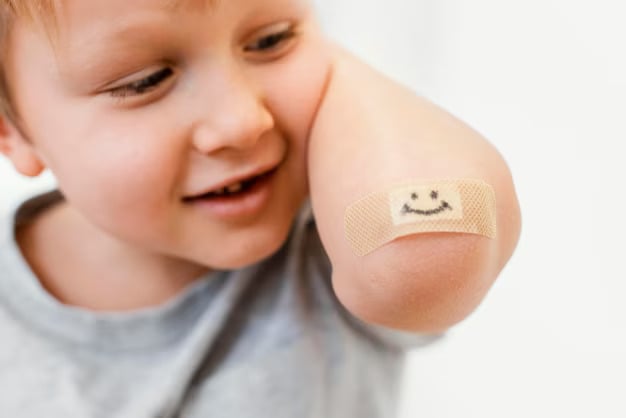
🧼Band-Aids, Germs & Giggles: Why Basic Health & Safety Training Is a Big Deal in Child Care
Child care professionals regularly manage everyday hazards—choking risks, infectious illnesses, and allergic reactions—alongside the routine developmental work of play and exploration. These responsibilities require demonstrable competencies in supervision, infection control, and family-centered supports. Two practical ChildCareEd courses that build these competencies are Basic Health, Safety, and Breastfeeding Awareness Buy Now $35.00 and How To Keep A Healthy Class: Six Tips for Germ Control Buy Now $35.00.
Basic Health and Safety training furnishes staff with the practical knowledge and procedural habits needed to reduce injury, limit disease transmission, and strengthen partnerships with families. These competencies are available through ChildCareEd.com and are structured for immediate classroom application.
What specific topics and competencies does the Basic Health & Safety course cover?
Providers benefit when training maps to concrete competencies they can apply every day. Typical, evidence-informed topics in a CCDBG-aligned basic health and safety curriculum include prevention and control of infectious disease, SIDS and safe sleep, medication administration and storage, recognition and response to allergic reactions and asthma, building and premises hazards, emergency preparedness and evacuation, identification and reporting of abuse and neglect, and family-centered practices such as breastfeeding awareness. Completing these modules helps staff develop written procedures, consistent hygiene routines, and an action-oriented approach to incident response.
- Infection control and hygiene protocols (handwashing, surface sanitation, exclusion criteria)
- Safe sleep and infant supervision
- Food handling, allergy prevention, and anaphylaxis response (see article: How can food safety training protect children in my child care program?)
- Emergency preparedness and first-response procedures (see article: Got CPR and a Well-Stocked First Aid Kit?)
On ChildCareEd you can follow the core Basic Health course and then select targeted modules such as Safe Sleep Training  Buy Now $16.00 or topic-specific courses to meet your program needs. These targeted add-ons let providers address age-specific risks or program-specific licensing criteria while keeping policies and parent communication aligned with best practice.
👶 Why Is Health and Safety Training So Important in Early Childhood Education?
Young children depend on adults to manage environmental risks and to teach preventive health behaviors; effective early care and education (ECE) staff reduce injuries and control infectious disease through consistent supervision, sanitation, exclusion policies, and family communication. The CDC documents the central role ECE providers play in preventing injuries and spread of disease and provides practical guidance and training resources for these core practices: CDC: Safety, Health, and Injury Prevention Recommendations for ECE.
From preventing choking hazards to recognizing signs of illness, basic #health-and Buy Now $35.00- #safety knowledge helps you:
-
Minimize everyday risks in #classrooms and #play-areas
-
Respond confidently to minor injuries and emergencies
-
Promote habits like handwashing, sanitizing, and #safe- #sleeping
Want a deeper dive into how #health-and safety impact your daily teaching?
👉 Read: Beyond the Classroom – Why Basic Health & Safety Training Is Crucial for Child Educators
How do I apply this training to program policies, documentation, and parent communication?
Training should translate into written procedures and visible practices. After completing coursework, update your program handbook and daily routines to reflect explicit policies for illness exclusion, medication administration, food allergy management, and safe sleep. Maintain a training log for each staff member, attach certificates to personnel files, and make summary policies available to parents. Use the training to craft emergency response plans and run regular drills; cross-reference your procedures with resources on first aid and CPR so that practice and documentation are aligned (Getting Ready for the New School Year). For step-by-step guidance on building or updating your center’s emergency response plan, see how to build an emergency response plan for child care centers.
Also, if you work with children in any capacity—center-based, home-based, or afterschool—complete this training. Confirm with your state licensing agency or registry that online certificates are accepted for hiring or renewal, and retain copies in each staff member’s personnel file. Providers in Maryland can also consult state-specific training and licensing expectations in our guide What Must Maryland Child Care Providers Know to Keep Children Safe?. Keeping clear records prevents compliance delays during inspections and makes quality-rating reviews smoother.
If you operate a home-based program, ensure your policies meet your licensing checklist: see What training do I need to run a safe and legal home daycare? for practical steps. Apply the training by conducting a brief staff meeting to translate course checklists into specific daily tasks (e.g., who stores emergency medication, who documents handwashing checks, where the first-aid kit is kept). For ongoing quality improvement, pair these policies with classroom-level routines described in How can childcare centers use simple health and safety best practices every day?.
🧑🏫 Who Needs This Training?
If you work with children in any capacity—whether in a center, #home-based program, or afterschool setting—you need this training.
In fact, in many states, Basic Health and Safety Training is required before you can even start working in child care. It’s also a must-have for annual licensing renewals and quality ratings.
📚 Where Can You Take the Course?
Right here at ChildCareEd.com! We make training easy, accessible, and designed for real-world application. You can register online and receive a completion certificate immediately upon finishing the course; keep that certificate for personnel files or to submit to your state registry.
✨ Enroll in our course today:
👉 Basic Health, Safety, and Breastfeeding Awareness Course Buy Now $35.00
You’ll learn key topics like:
-
Safe sleep practices
-
Proper sanitation procedures
-
Handling food and allergies safely
-
Emergency #preparedness and fire drills
-
Breastfeeding awareness and support for families
And yes—it’s 100% online, self-paced, and perfect for busy #educators!
🤔 What Happens If You Skip It?
Without health and safety training, even experienced caregivers may:
-
Overlook serious hazards
-
Delay #emergency-response
-
Put children (and their own job security) at risk
This course isn’t just about rules—it’s about building a safe, nurturing space where kids thrive and #parents trust you.
📱 How Can You Stay Updated on Training and Tips?
Follow ChildCareEd.com on social media for:
-
Professional #development tips
-
Course updates and discounts
-
Inspiring stories from other educators
Join our growing network of child care pros who are committed to making a difference—one safe classroom at a time!
🚀 Ready to Get Certified?
Whether you're just starting out or brushing up your skills, Basic Health and Safety training is your next best move.
👉 Register for the Course Here Buy Now $35.00
Because keeping kids safe should always be your first priority.
Summary: How will Basic Health & Safety training improve my practice?
Basic Health & Safety training equips staff with practical, regulatory-aligned skills that reduce injury and disease risk, strengthen parent trust, and support compliant program operations. After training, document certificates in personnel files, translate course checklists into daily practice, and review policies with families. For authoritative guidance and additional free training resources for ECE providers, consult the CDC Early Care and Education portal: CDC: Early Care and Education Providers — On the Frontlines of Public Health. Ready to register? Register for the Basic Health, Safety, and Breastfeeding Awareness course Buy Now $35.00 and consider targeted modules (safe sleep, food safety, CPR) to meet your program needs.
- Basic Health & Safety and Breastfeeding Awareness
- Basic Life Support (BLS) In-Person Healthcare Providers
- Health and Safety Orientation
- Basic Life Support (BLS) Blended Healthcare Providers
- Pediatric RSV First Aid & CPR/AED
- 24 Hour Texas Pre-Service
- Texas Director Credential
- Prevention and Control of Infectious Diseases
- Preventative Health and Safety
- CDA Certification en Español: Recursos y Consejos para Educadores Bilingües
- 🧼Band-Aids, Germs & Giggles: Why Basic Health & Safety Training Is a Big Deal in Child Care
- Que Se Necesita Para Trabajar En Un Daycare?
- ¿Qué Se Necesita para Comenzar una Guardería en Casa en Texas?
- Que es Título 22 en California?
- Capacitación en Salud y Seguridad Preventiva en Línea para Proveedores de Cuidado Infantil
- Actividades de Fiesta para Niños de Preescolar y Primaria
- ¿Cómo solicito la licencia para una guardería en California?
- Regulaciones de Cuidado Infantil en Maryland para Centros y Hogares de Cuidado Infantil Familiar
- Regulaciones de Licenciamiento de Cuidado Infantil en California para Centros y Hogares de Cuidado Infantil Familiar
- Normas de Licenciamiento de Cuidado Infantil en Virginia para Centros Diurnos Infantiles y Hogares Diurnos Familiares
- Reglas de Cuidado Infantil en Illinois
- Lista para Guardería en Casa en Texas: Cómo Iniciar una Guardería en el Hogar
- Cómo Trabajar en el Cuidado Infantil en California: Requisitos y Pasos
- Cómo Trabajar en el Cuidado Infantil en Maryland: Requisitos y Pasos
- Cómo Ser Maestra de Preescolar en Maryland
- Capacitación Previa al Servicio para Proveedores de Cuidado Infantil en California
- Capacitación Previa al Servicio para Proveedores de Cuidado Infantil en Georgia
- Capacitación Previa al Servicio para Proveedores de Cuidado Infantil en Nevada
- Cómo simplificar la capacitación para sus empleados de daycare
