Why do #toddlers hit?
Hitting is often a “message.” Toddlers may hit because they:
- Feel mad, scared, or frustrated
- Want a toy (and don’t know how to ask)
- Feel crowded or overwhelmed
- Are tired, hungry, or in a rush during transitions
- Copy what they have seen (from other children, siblings, or screens)
- Need help with impulse control (their brains are still growing!)
Hitting does not mean a toddler is “bad.” It means they need teaching and support.
What should you do right away when a toddler hits? 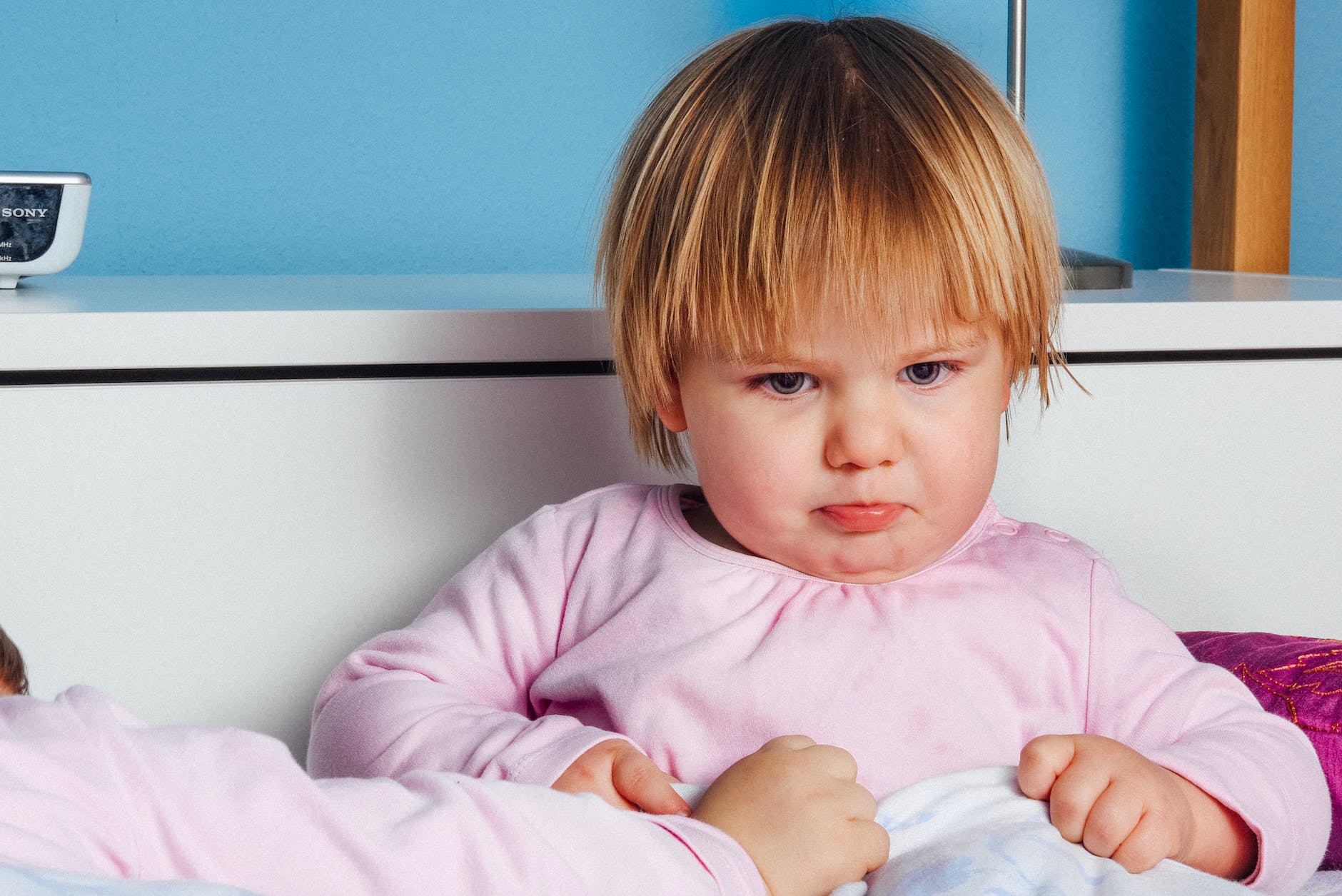
Your first job is #safety. Your second job is teaching.
Try these steps in the moment:
- Get close and block (use your arm or hand like a “stop sign”).
- Keep your voice calm and firm.
- State the rule in simple words.
- Help the hurt child first (quick comfort).
- Teach the hitter what to do next (a replacement skill).
What to say (simple scripts):
- “I won’t let you hit. Hitting hurts.”
- “Hands are for helping. Gentle hands.”
- “You can say, ‘My turn,’ or ‘Move please.’”
- “Let’s take a break with me.”
Tip: Long talks do not work well in the moment. Keep it short.
How can you help the child who got hurt?
Toddlers #learn #empathy slowly. Still, you can model care:
- “Are you okay? That hurt.”
- Offer an ice pack or gentle touch if they want it.
- Name what happened: “You got hit. Ouch.”
- Help them feel safe again before returning to #play.
If the child who hit is ready, you can guide a simple repair:
- Wave, gentle touch, or “sorry” (only if it feels real)
- Bringing a tissue or a favorite toy
- “Can you help me get a new block for Sam?”
What should you do with the child who is hitting?
After safety, focus on teaching one clear replacement.
Common replacement skills for toddlers:
- Use words: “Stop.” “No.” “My turn.” “Help.”
- Use a sign (like “stop” or “help”) for children with limited speech
- Move their body #safely: stomp, wall push, squeeze a pillow
- Ask an adult: “Help please.”
Try: “You’re mad. You wanted the truck. You can say ‘my turn.’ Let’s practice.”
This is #positiveguidance in action—teaching, not shaming.
How can you prevent hitting before it starts?
Prevention is powerful. Watch for patterns and fix the “why.”
What are common toddler hitting triggers?
Look for:
- Crowded spaces (too many kids in one #center)
- Toy battles (one popular toy, no duplicates)
- Long waits (line-up time, bathroom turns)
- Fast transitions (clean-up, coming inside)
- Tired/hungry times (before lunch, late afternoon)
What changes help fast?
- Add duplicates of favorite toys.
- Create more space (use shelves to separate #play-areas).
- Use visual cues (simple pictures: “gentle hands,” “waiting,” “stop”).
- Give jobs during transitions (“Carry the book,” “Hold the door”).
- Offer choices to reduce power struggles:
- “Do you want the red truck or the blue truck?”
- “Do you want to clean up blocks or cars first?”
How do you teach “gentle hands” in a way toddlers understand?
Teach when children are calm (not right after a hit).
Quick practice ideas:
- “Gentle hands” on a stuffed animal
- High-fives, waves, and fist bumps as safe greetings
- Role-play with puppets: “What can we do instead of hitting?”
- Praise the behavior you want:
- “You waited! That was kind.”
- “You used your words—great job!”
Keep the message the same across #staff:
- “I won’t let you hit.”
- “Hitting hurts.”
- “Gentle hands.”
Should you use time-out for hitting?
For many toddlers, sitting alone does not teach the missing skill. A better choice is a calm-down space with adult support (sometimes called a “ #cozy corner” or “peace corner”).
You can add simple tools like visuals and breathing prompts. This #free ChildCareEd resource can help you set up calming supports:
Use the calm space as a reset, not a punishment:
- “You’re having a hard time. I’m here. Let’s breathe.”
#socialemotional learning starts with co-regulation (your calm helps their calm).
How should you talk with families about hitting? 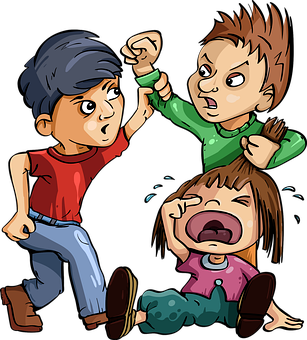
Families need clear information and a calm #plan.
Good family communication:
- Be factual and brief (no blame)
- Share what you are teaching (the replacement skill)
- Ask what works at home
- Protect privacy (do not name other children)
What to say:
- “Today, there was hitting during block play. We kept everyone safe and practiced ‘my turn’ and ‘stop.’ We are also watching for triggers like crowded #play-areas.”
If hitting happens often, suggest a simple joint plan:
- Key phrases everyone uses
- Trigger times to watch
- A calm-down routine
- Extra support during transitions
When is hitting a bigger concern?
Get extra help if:
- Hitting is frequent and intense (daily, hard hits)
- Injuries happen often
- The child cannot calm down with support
- You see signs of big #stress ( #sleep changes, extreme fear, sudden behavior changes)
In these cases, you may need:
- A behavior support plan
- Director support
- A referral conversation (following your program’s policy)
Which ChildCareEd courses can help you feel confident with toddler hitting?
If you want step-by-step strategies, these trainings are directly related:
- Ouch! Biting & Hitting Hurts
 Buy Now $24.00
 - Turning Behavior Around for Toddlers and Preschoolers Buy Now $25.00
- Viewing Guidance in a Positive Light Buy Now $24.00
(You can find these and more on the full course list: https://www.childcareed.com/allcourses.html)
Where can you read a helpful ChildCareEd article on behavior guidance?
For more support with teaching instead of punishing, read:
Want quick tips and reminders during your busy week?
Follow ChildCareEd on social media for bite-sized guidance, #classroom ideas, and encouragement:
You’ve got this. With calm, consistent steps, toddlers can learn #safer ways to handle big feelings—and your classroom can feel more peaceful for everyone.
- CDA Infants/Toddlers: Health and Safety
- CDA Infants/Toddlers: Abuse and Neglect Reporting Requisites
- Ouch! Biting & Hitting Hurts
- CDA: Special Needs: Understanding the Whole Child
- 45-Hour Infant and Toddler Curriculum
- Texas Director Credential
- Baby Steps to Milestones ONLINE
- CDA Infants/Toddlers: Stages of Development
- CDA: Stand With Respect and Professionalism
- Ouch! Biting & Hitting Hurts
- 😤💬 ¿Qué Le Digo a un Niño que Acaba de Morder a Otro?
- Que es Título 22 en California?
- ¿Cuáles son los pasos, requisitos y opciones en línea para la certificación de 90 horas en cuidado de Infantes/Toddlers en Maryland?
- Cómo Ser Maestra de Preescolar en Maryland
- Positive Ways to Respond When Children Bite
- Biting Behavior in Early Childhood: Causes and Solutions
- How Can North Dakota Providers Respond to Toddler Biting Without Shaming?
- Diversión fresca de verano: actividades del Día Nacional del Helado para niños
- How Saying No Supports Children’s Emotional Development
- How should Michigan child care providers manage toddler biting incidents?
- How can child care programs support toddlers through biting and hitting phases?
- Why Do Toddlers Bite and How Should Child Care Providers Respond?
- How should child care providers respond to biting, hitting, and aggressive behavior?
- Time-In or Time-Out? 7 Real Classroom Scenarios and What to Try
- Child Keeps Hitting Other Kids? Look for These 7 Patterns Before Reacting
- When a Child Hits Again and Again: What Should Daycare Teachers Try Next?
- What Should Child Care Providers Do When a Child Keeps Hitting, Biting, or Pushing?
- How Can Providers Handle Biting in the Toddler Classroom?
- Why Do Toddlers Push Other Children? What Should Providers Know?
- Why Do Toddlers Bite, and How Should Child Care Providers Respond?
