What Is Social-Emotional Development?
When we think about school, we often think about #learning ABCs and 123s. But there is another type of learning that is just as important. It is called social-emotional #development. This is how children learn to understand their feelings and how to get along with others.
Imagine a child building a tall tower of blocks. Another child walks by and accidentally knocks it over. The first child feels angry. Social-emotional skills help that child decide what to do next. Do they scream and hit? Or do they take a deep breath and say, "I am mad you broke my tower"?
Social-emotional development includes three main parts:
- Understanding Feelings: Knowing when you are #happy, sad, mad, or scared.
- Managing Behavior: Being able to calm down when you are upset.
- Relating to Others: Sharing, taking turns, and making friends.
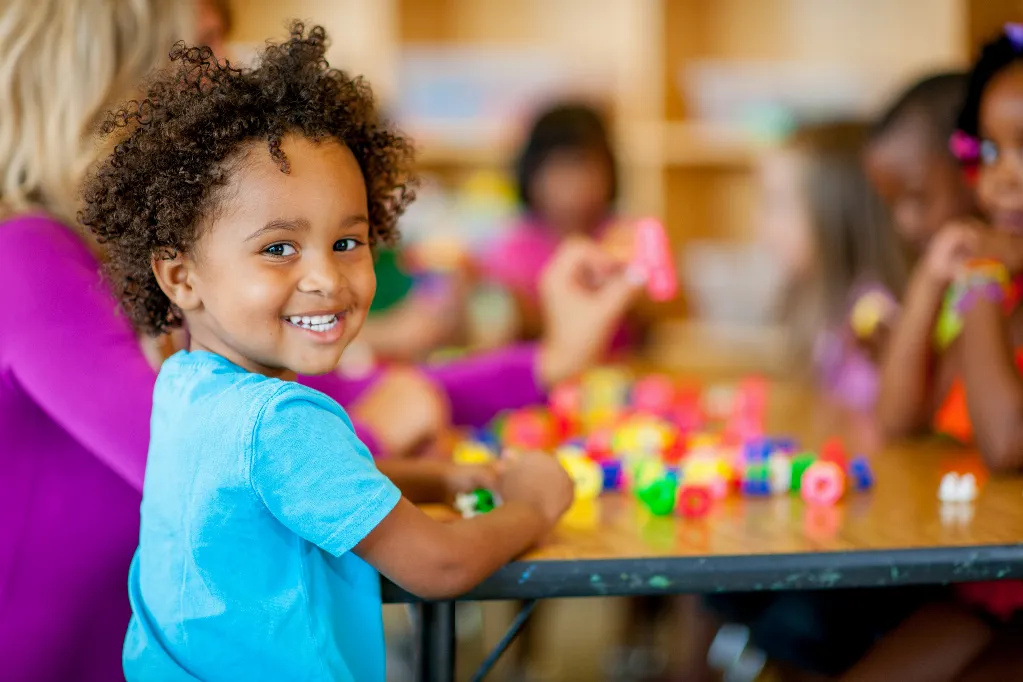
These skills are the foundation for all other learning. If a child cannot sit still or listen to a friend, it is very hard for them to learn how to read or count. This is why #SocialEmotionalLearning is a key part of every classroom.
Why Is It So Important for Young Children?
The brain grows very fast in the first five years of life. This is the best time to teach children how to handle their emotions. When children have strong social-emotional skills, they do better in school. They can pay attention to the #teacher. They can work in groups. They are also happier and more confident.
Children who struggle with these skills might have a hard time. They might fight with other children. They might have trouble following rules. This can make school feel like a scary or bad place.
As a child care provider, you help shape their brains. When you comfort a crying baby, you teach them trust. When you help two toddlers share a toy, you teach them problem-solving. You are preparing them for life, not just for kindergarten.
How Can Teachers Support Emotional Growth?
You do not need a special class to teach emotions. You can do it all day long. The best way to teach is by modeling. This means you show the children how to act.
If you drop a box of crayons, do not get angry. You can say, "Oh no! I dropped the crayons. I feel frustrated. But I can pick them up." The children are watching you. They learn that it is okay to make mistakes and that problems can be fixed.
You can also use books. Read stories about characters who are happy, sad, or angry. Ask the children, "Look at his face. How do you think he feels?" This helps them learn to read facial expressions.
To learn more about how emotions connect to health and learning, you can take the course Growing the Whole Child: Health, Emotions & Early Learning  Buy Now $55.00. This course explains how all parts of a child's growth work together.
What Are Strategies for Big Emotions?
Young children have big feelings in small bodies. Sometimes, these feelings explode. We call these tantrums. But a tantrum is just a child saying, "I am overwhelmed, and I do not know what to do."
Here are some ways to help:
- Name the Feeling: Say, "I see that you are crying. You look sad because your mom left." This helps the child understand what is happening inside them.
- Use a Calm-Down Corner: Create a safe, soft place in your room. Put pillows and soft toys there. It is not a "time out" or a punishment. It is a place to feel better.
- Teach Breathing: Show children how to take deep breaths. Pretend to smell a flower (breathe in) and blow out a candle (breathe out).
Building strong relationships is the key to helping children manage behavior. When a child trusts you, they feel safe. The course Connections That Count: Building Relationships in Child Care Buy Now $55.00 teaches you how to build these strong bonds with children and their families.
How Does Play Help Social Skills?
Play is the work of childhood. It is how children practice social skills. When children #play "house" or "grocery store," they are pretending to be adults. They have to agree on roles. "I will be the mom, and you be the baby." This requires negotiation.
Sometimes they disagree. "No, I want to be the mom!" This is a great moment for #EarlyChildhoodEducation. You can step in and help them solve the problem. You can say, "How can we solve this? Maybe you can take turns?"
Play also teaches #empathy. Empathy means understanding how someone else feels. If a child hurts their knee on the playground, other children learn to come over and ask, "Are you okay?" These moments build kindness. 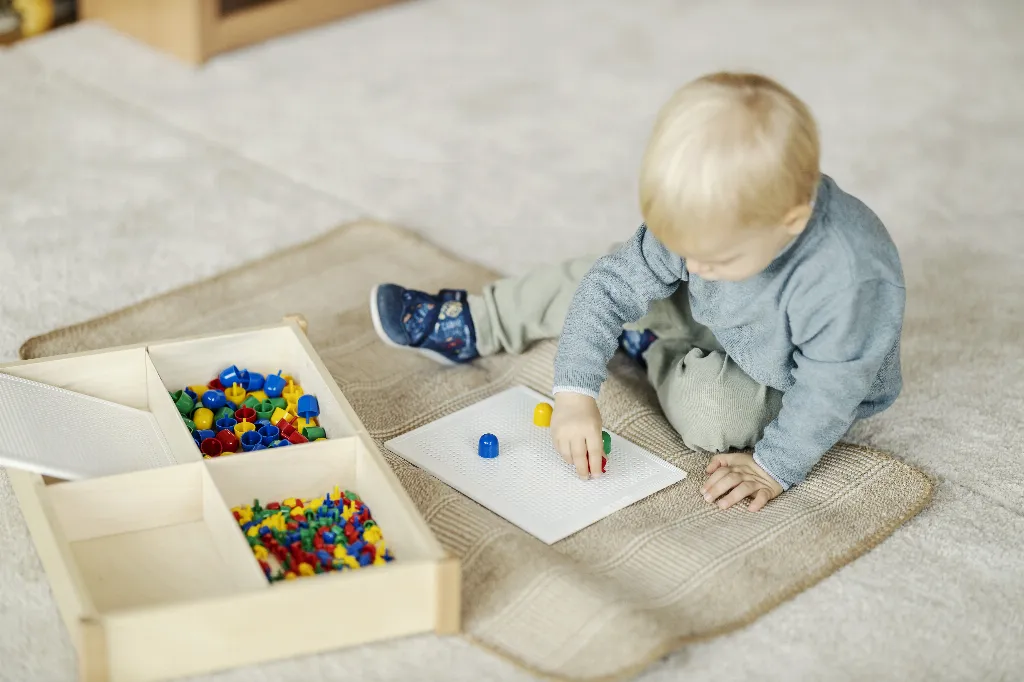
Where Can You Find Resources?
It helps to have tools ready in your classroom. You can use pictures, games, and charts to talk about feelings. ChildCareEd offers many free resources that you can print and use.
For example, you might look for lesson plan templates or activity guides that focus on sharing or feelings. Having a plan makes it easier to teach these skills intentionally.
You can also read more about this topic. We have articles that go deeper into how to handle specific behaviors. Reading an article about "taming tantrums" or "helping shy children" can give you new ideas to try tomorrow.
Are You Ready to nurture Hearts and Minds?
Teaching social-emotional skills is one of the most rewarding parts of being an educator. You are giving children the tools they need to be happy, healthy people. It takes patience and practice. But when you see a child take a deep breath instead of hitting, you know it is working.
Focus on building a warm, caring classroom. Celebrate the small wins. Remember that #ChildDevelopment takes time. You are making a difference every single day.
Join our community online to share your stories and get more tips. We love to see how you are helping children grow!
Follow us on Facebook for daily inspiration and activity ideas!
- CDA Home Visitor Subject Area 3 Part 3 Birth to 5
- The Best Promotion is Play
- Developing Program Tranquility: For Workforce Solutions
- Opportunity for Growth: Emotional Development
- Developing Program Tranquility
- CDA Bridge Bundle: Family Child Care without Portfolio Review
- Are They Ready for Kindergarten?
- CDA Bridge Bundle: Infant/Toddler without Portfolio Review
- CDA Bridge Bundle: Preschool without Portfolio Review
- Brighter Futures: Social Emotional Development
- Building Social Foundations
- CDA Council's Early Educators Leadership Conference
- Tiny Tots, Big Learning: Crafting Curriculums for the Littlest Learners!
- The Family Day Care Chronicles: Tales of Laughter, Learning, and Unexpected Adventures
- Importance of Play for Child Development
- Tiny Hands, Big Dreams: Fostering Creativity in Preschoolers
- When the Sunshine Fades: How to Spot Depression in the Happiest-Looking Kids
- Exploring the Cognitive Benefits of Movement in Early Childhood Classrooms
- CDA Certification en Español: Recursos y Consejos para Educadores Bilingües
- 😫🧸 ¿Qué hacer cuando un bebé no quiere dormir la siesta en el aula?
- Cómo Ser Maestra de Preescolar en Illinois
- More Than ABCs and 123s: The Real Importance of Early Childhood Education
