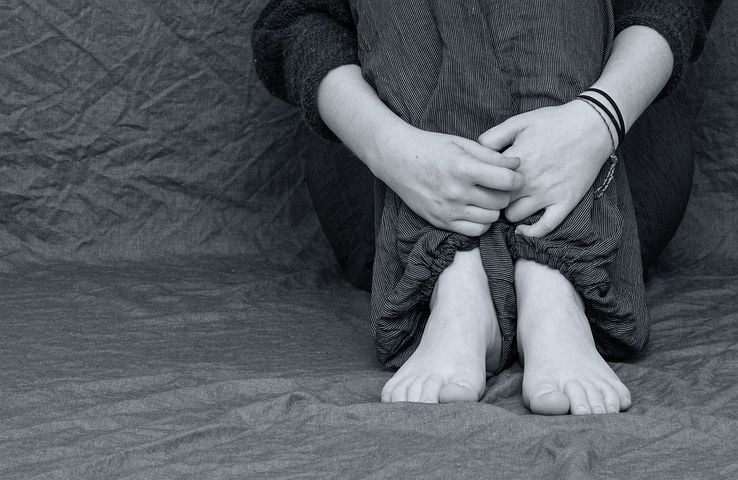
 Child abuse and neglect training is one of the most important trainings for child care professionals in Texas. It helps you notice warning signs, respond in a safe way, and know how to report concerns. It also helps you protect children—and protect yourself by following the law and your program’s policies. #ChildSafety #TexasChildCare
Below is a simple, step-by-step guide you can use to understand what this training covers and how to choose the right course.
What is child abuse and neglect training?
Child abuse and neglect training teaches you how to:
-
Recognize possible signs of abuse or neglect
-
Understand your role as a child care provider
-
Know what to do if you are worried about a child
-
Report concerns the right way (and on time)
-
Support children with care and respect
In Texas, child care staff often need this training for licensing, employment, or professional development. Even if you have taken it before, taking refresher training can help you stay confident and up to date.
Why is this training so important?
Child care professionals spend many hours with children. That means you may notice changes that others do not see.
Training matters because it helps you:
-
Keep children safer every day
-
Spot concerns early
-
Respond calmly (not in panic)
-
Follow rules and protect your job
-
Work as a team with your director and program
It can also help you avoid common mistakes, like waiting too long to report or trying to investigate on your own.
What is the difference between abuse and neglect?
These words sound similar, but they mean different things.
Abuse usually means someone is hurting a child on purpose. This can include:
-
Physical harm (hitting, shaking, burning)
-
Sexual abuse
-
Emotional abuse (threats, humiliation, extreme control)
Neglect usually means a child’s basic needs are not being met. This can include: For more detail on forms of childhood neglect and guidance for early childhood professionals on identifying and reporting it, see the childhood neglect article.
-
Not enough food
-
Unsafe supervision
-
Poor hygiene or medical care
-
Unsafe living conditions
Sometimes neglect is harder to spot because it may happen slowly over time.
What are common signs of abuse and neglect?
No single sign proves abuse or neglect. But patterns and changes can be important.
Possible physical signs:
-
Frequent bruises or injuries (especially in unusual places)
-
Injuries that do not match the explanation
-
Burns, bite marks, or marks shaped like an object
-
Always tired, always hungry, or poor hygiene
Possible behavior signs:
-
Big changes in mood (very quiet, very fearful, very angry)
-
Strong fear of going home or fear of a certain adult
-
Extreme clinginess or extreme withdrawal
-
Aggressive play that seems unsafe or sexualized (not typical for age)
Possible neglect signs:
-
Child often arrives in dirty clothes
-
Child is often sick and does not get needed care
-
Child is left alone or picked up very late often
-
Child talks about not having food or being unsupervised
For a helpful printable-style guide, use this ChildCareEd resource:
https://www.childcareed.com/r-00356-signs-of-abuse-and-neglect-mixed-ages-safety.html Buy Now $0.00
What should I do if I suspect abuse or neglect?
This is where training really helps—because you don’t want to guess or freeze.
Here are smart, safe steps:
1) Stay calm and keep the child safe.
Your main job is the child’s safety in the moment.
2) Write down what you observe.
Focus on facts, not opinions. Examples:
-
Date and time
-
What you saw (a bruise, a behavior change)
-
What the child said (use the child’s exact words if possible)
3) Follow your center’s reporting policy.
Many programs ask you to notify a director—but that does not replace your duty to report if required.
4) Do not investigate.
Do not question the child repeatedly. Do not contact the possible offender. That is not your job.
5) Make a report using the correct process.
Your training should explain reporting steps and what information to include.
How do I talk to a child who shares something scary?
If a child says something that worries you, your goal is to listen without leading.
Helpful phrases:
-
“Thank you for telling me.”
-
“I’m glad you told me.”
-
“You did the right thing.”
-
“I’m here with you.”
What to avoid:
-
“Are you sure?”
-
“Did your mom do that?” (leading questions)
-
“I won’t tell anyone.” (you may need to report)
Keep it simple. Write down the child’s words. Then follow reporting steps.
Which ChildCareEd courses can help with abuse and neglect training?
If you need training hours or want a strong refresher, these ChildCareEd courses are directly related and focus on signs and reporting:
-
Abuse and Neglect: Signs and Reporting
https://www.childcareed.com/courses-abuse-and-neglect-signs-and-reporting.html Buy Now $16.00
 -
CDA Infants & Toddlers: Abuse and Neglect Reporting Requisites
https://www.childcareed.com/courses-cda-infants-toddlers-abuse-and-neglect-reporting-requisites.html Buy Now $16.00 -
1-Hour Abuse and Neglect Training
https://www.childcareed.com/courses-1-hour-abuse-and-neglect-training.html Buy Now $10.00
Simple tip: If you are short on time, the 1-hour course can be a quick way to refresh key points. If you want deeper learning (or CDA-related support), choose one of the longer, setting-based options. #MandatoryReporting
What are common mistakes people make with child abuse and neglect training?
Many providers care deeply—but still feel unsure. These are common mistakes training can help prevent:
-
Waiting too long because you “aren’t 100% sure”
-
Asking too many questions and confusing the child
-
Sharing concerns with the wrong people (gossiping)
-
Forgetting to document facts
-
Thinking a director will “handle it” without confirming the report was made
If you want a reality-check article that explains what people often miss, read:
https://www.childcareed.com/a/what-they-don-t-tell-you-about-child-abuse-and-neglect-training-but-should.html
How can I stay ready in my classroom every day?
Training is not only about reporting. It’s also about daily protective practices.
Healthy daily habits:
-
Do daily visual checks during diapering/toileting (in a respectful way)
-
Keep consistent routines so changes are easier to spot
-
Notice patterns (frequent hunger, fear, injuries, extreme tiredness)
-
Practice “two-adult” or open-door policies when possible
-
Build trust so children feel safe talking to you
You can’t control what happens outside your program, but you can create a safe, caring space inside it. #ChildProtection
Where can I get more tips and updates from ChildCareEd?
If you want more safety tips, training reminders, and child care resources, follow ChildCareEd on social media:
👉 Follow ChildCareEd on Instagram: https://instagram.com/childcareed
You’ll get helpful content you can use right away in your work with children and families.
Conclusion
Child abuse and neglect training in Texas helps you do three powerful things: notice, respond, and report in a safe, professional way. It’s not about being perfect—it’s about being prepared.
If you’re ready to take training now, start with one of these ChildCareEd courses:
-
https://www.childcareed.com/courses-abuse-and-neglect-signs-and-reporting.html
Buy Now $16.00 -
https://www.childcareed.com/courses-cda-infants-toddlers-abuse-and-neglect-reporting-requisites.html
Buy Now $16.00 -
https://www.childcareed.com/courses-1-hour-abuse-and-neglect-training.html
Buy Now $10.00
And keep these support links handy:
- Abuse and Neglect: Signs and Reporting
- Abuse and Neglect: Signs and Reporting
- Mandated Reporters
- 1-Hour Abuse and Neglect Training
- CDA Infants/Toddlers: Abuse and Neglect Reporting Requisites
- 24 Hour Texas Pre-Service
- 45-Hour Infant and Toddler Curriculum
- Recognizing and Reporting Child Abuse and Neglect
- Texas Director Credential
- ChildCareEd Bringing High-Quality Training to Providers Across the Globe
- How Can Texas Child Care Providers Save Big on Annual Training?
- 🍼📋 ¿Qué necesitas para trabajar en el cuidado infantil en Texas?
- 🚨 Reporte Obligatorio en Nevada
- Capacitación en Línea con Certificado sobre Abuso y Negligencia
- Regulaciones de Licenciamiento de Cuidado Infantil en California para Centros y Hogares de Cuidado Infantil Familiar
- Capacitación Previa al Servicio para Proveedores de Cuidado Infantil en Nevada
- Capacitación Previa al Servicio para Proveedores de Cuidado Infantil en Texas
- Where can Texas providers find free and low-cost child care training with certificates?
- Texas TECPDS: What Child Care Providers Need to Know
- Online Child Care Courses in Texas: Training Made Simple
- Texas TECPDS: Career Pathways for Child Care Providers
- 45-Hour Child Care Training in Texas: Requirements and Options
- TECPDS Training Hours: Complete Your Online Courses with ChildCareEd
- What should child care staff learn in Child Abuse and Neglect Training?
- What Daycare Certification Requirements Must You Complete Before You Can Start Working?
- Early Childhood Development Classes: Which Training Hours Do You Actually Need?
- What Certifications Do I Need to Open a Daycare? License, Training, and Credentials Explained
- Pre-Service Training for Child Care: What Must You Finish Before Your First Day?
- Who Needs Child Abuse and Neglect Training—and How Often Do You Have to Take It?
