Why do kids bite?
Kids bite for simple reasons: it’s fast, it works, and sometimes they don’t have better tools yet. Biting is most common in infants and #toddlers because they are still learning how to communicate and handle big feelings.
Here are common reasons children bite:
- Teething or mouth pain (biting can feel soothing)
- Exploring with their mouth (common for infants)
- Big feelings (anger, fear, excitement, #stress)
- Frustration (they can’t get what they want or can’t say it yet)
- Overcrowding (too many kids in a small space)
- Tired or hungry
- Wanting a toy or a turn
- Wanting attention (even negative attention)
- Copying others (they saw another child bite)
This is normal for many young children—but we still need to teach #safer ways to communicate.
Is biting “bad behavior” or a skill problem? 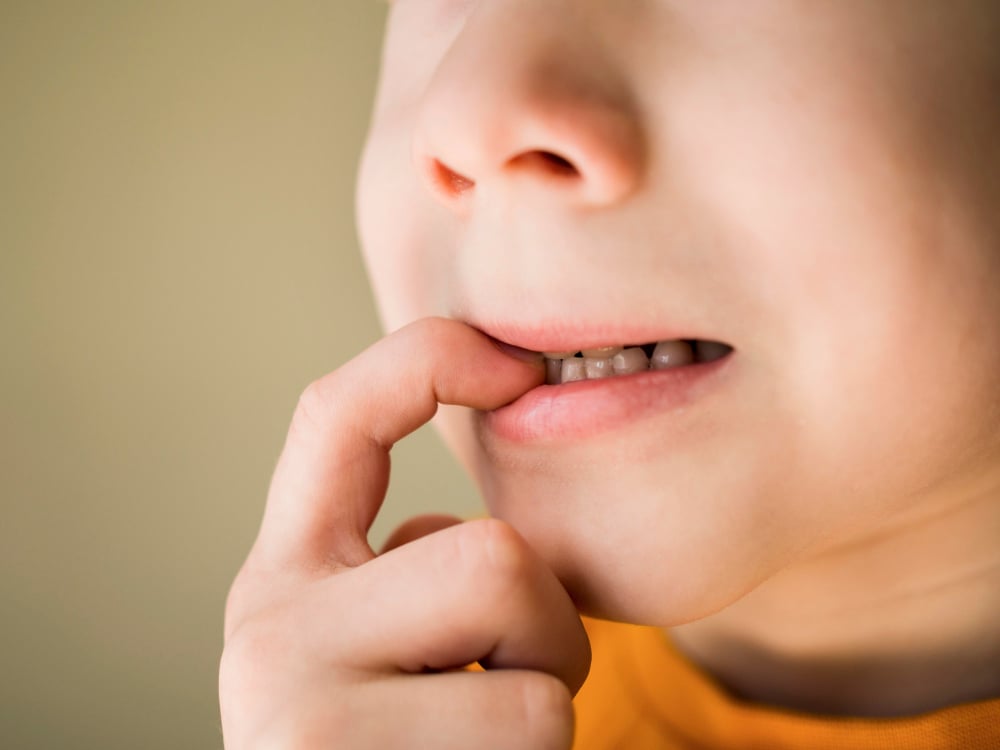
Most of the time, biting is a skill problem, not a “bad kid” problem.
Think of it this way: if a child can’t swim, they splash. If a child can’t say “Stop!” or “Mine!” they might bite.
Our job is to:
- Keep everyone safe
- Figure out the child’s reason (“Why now?”)
- Teach replacement skills (words, gestures, coping tools)
- Change the environment so biting is less likely
What should you do right when a bite happens?
In the moment, the goal is #safety—not long talks.
Step-by-step response (fast and calm):
- Separate the children gently.
- Help the child who was bitten first. This shows biting does not “work.”
- Use a calm, firm voice with the biter: “Biting hurts. Teeth are not for biting.”
- Keep it short. Avoid yelling, shaming, or long lectures.
- Support the biter’s feeling without excusing the action: “You were mad. I won’t let you bite.”
- Document and notify families following your program policy (and keep children’s names private when talking to the other family).
If skin is broken, follow your #health-and-safety procedures (cleaning, gloves, incident report, and any required medical guidance).
How do you prevent biting before it happens?
Prevention works best when it matches the child’s “why.”
1) Watch for patterns (“ABC” thinking)
Try tracking:
- A = Antecedent: What happened right before?
- B = Behavior: Who bit, where, and how?
- C = Consequence: What happened right after?
You might notice patterns like:
- Biting happens near the block area
- Biting happens before lunch
- Biting happens during transitions
- Biting happens when a certain child comes close
Once you see the pattern, you can change the setup.
2) Change the environment
Small changes can make a big difference:
- Add more of the popular toys
- Create more space between #play-areas
- Use visual boundaries (tape on the floor, shelves, rugs)
- Plan for shorter wait times
- Offer quiet break spots ( #cozy corner, calm bin)
- Increase active supervision (stay close, scan often, move with purpose)
A helpful #free tool to support prevention is this ChildCareEd resource: Preschool Classroom Management Buy Now $0.00
3) Teach “replacement skills” (what to do instead of biting)
Kids need simple scripts and practice. Try teaching:
- “Stop.”
- “My turn.”
- “Help, please.”
- “Move back.”
- “I’m mad.”
For toddlers who are still learning words, add:
- Signs (stop, help, mine)
- Picture cards (feelings, “help,” “break”)
- Simple choices (“Do you want the red ball or blue ball?”)
You can even practice during play:
- “Show me ‘Stop’ hands.”

- “Let’s trade.”
- “Let’s take turns.”
4) Meet #sensory and teething needs
If the child needs to bite, give safe options:
- Teething rings (if allowed)
- Chewy tubes/chewelry (if approved and used #safely)
- Crunchy snacks (if age-appropriate and permitted)
- Cold washcloths (clean and supervised)
What do you say to families after a biting incident?
Families may feel upset—on both sides.
When talking to the family of the bitten child:
- Be calm and caring
- Share the facts: where, when, basic first aid done
- Explain your prevention #plan (more supervision, changes to room setup)
- Avoid naming the other child
When talking to the family of the child who bit:
- Use a supportive tone
- Share patterns you’ve noticed (“It happens during transitions”)
- Share what you’re teaching (“We practice ‘Stop’ and ‘Help’”)
- Invite partnership (“What works at #home when your child is frustrated?”)
Tip: Families often relax when they hear there is a clear plan and consistent follow-up.
When should you worry about biting?
Biting can be typical, but you should get extra support when:
- Biting is frequent and not improving with a plan
- The child is over age 3–4 and biting often
- Bites are very intense or keep breaking the skin
- The child seems very #stressed or has major behavior changes
- You suspect a health, sensory, or communication concern
In these cases, involve your director/supervisor and consider a referral for additional support (following your program policies).
What training can help you handle biting with confidence?
If biting is happening in your #classroom, these ChildCareEd courses can help you respond and prevent future incidents:
- Ouch! Biting & Hitting Hurts
 Buy Now $24.00
 -
Going Head-to-Head with Challenging Behavior
Buy Now $24.00 - Staying Positive: Guidance for Preschoolers Buy Now $24.00
You may also like this related ChildCareEd article: Biting in Child Care: Causes, Prevention, and Provider Strategies
Want more tips like this?
Follow ChildCareEd on social for quick ideas, training updates, and encouragement for your week: https://linktr.ee/childcareed
- 45 Hour Infant and Toddler Methods and Materials
- Ouch! Biting & Hitting Hurts
- Mysteries of Challenging Behavior Solved
- Potty Training Made Simple
- 45-Hour Infant and Toddler Curriculum
- Texas Director Credential
- CDA: Stand With Respect and Professionalism
- Keeping Them Safe: Infants & Toddlers
- CDA Infants/Toddlers: Smart Nutrition & Feeding
- Ouch! Biting & Hitting Hurts
- Understanding Why Toddlers Bite
- CDA Certification en Español: Recursos y Consejos para Educadores Bilingües
- 😤💬 “What Should I Say to a Child Who Just Bit Someone?
- Biting in Child Care: Causes, Prevention, and Provider Strategies
- Why kids bite (and what to do about it)
- How can I talk to parents about biting and hitting in my program?
- Why Do Toddlers Bite and What Really Works?
- Why Do Toddlers Bite and What Can Child Care Providers Do?
- ¿Cómo puedo usar escenarios de juego de roles de primeros auxilios en mi aula?
- ¿Cómo afecta la dopamina a los niños: señales, efectos e influencias diarias?
- Capacitación en Salud y Seguridad Preventiva en Línea para Proveedores de Cuidado Infantil
- Lista para Guardería en Casa en Texas: Cómo Iniciar una Guardería en el Hogar
- Capacitación Previa al Servicio para Proveedores de Cuidado Infantil en Dakota del Norte
- Positive Ways to Respond When Children Bite
- Biting Behavior in Early Childhood: Causes and Solutions
- How can Oklahoma early childhood educators keep children safe from poisonous plants, spiders, and snakes outdoors?
- How can DC child care programs keep kids safe outdoors from insects, wildlife, and bites?
- How can Florida child care programs keep kids safe from snakes, insects, and harmful plants on the playground?
- Cómo simplificar la capacitación para sus empleados de daycare
- How can child care programs handle picky eaters without mealtime battles?
