Introduction
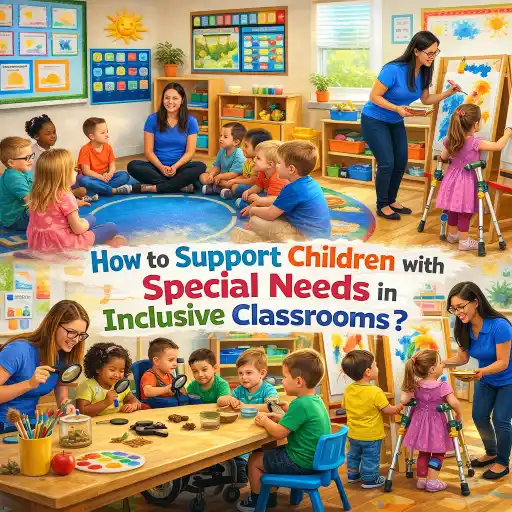
Supporting children with special needs in an inclusive class is about making small, useful changes so every child belongs and learns. This guide gives clear steps you can use tomorrow. It is written for child care providers and directors. The tips are simple and respectful. They focus on what works in real classrooms.
Why it matters: When children feel included, they learn better and behave better. Inclusion helps all kids grow kindness and skill. It also helps families trust your program. For research-based ideas, see resources like Inclusive Care Strategies for Children with Special Needs and guides from CSEFEL.
This article uses five key words you will see again: #inclusion #specialneeds #children #educators #classroom.
1. What simple classroom changes make learning easier?
Small changes to the space and routine help many children join in. Try 1–3 simple steps first. You do not need fancy tools to start.
- 😊 Keep routines clear. Use a daily picture schedule on the wall. This helps children know what comes next and lowers worry. ChildCareEd shares quick tips on schedules and visuals in Special Needs in Daycare: Inclusion Quick Tips Buy Now $0.00.
- 🧩 Make the room calm. Add a quiet corner with cushions and soft lighting. Move noisy toys away from the reading area. This is an easy sensory break for children with sound or touch sensitivity. See ideas from Inclusion in Child Care.
- 🔁 Adapt materials. Use thicker crayons, larger handles, or picture choices. Small tool changes can make big differences. ChildCareEd explains many adaptations in Adaptations that support children's learning.
Try these steps one at a time. Watch how children respond. Make changes that match each child’s likes, family culture, and skills. Remember to check for local rules: state requirements vary - check your state licensing agency.
2. How do we teach and guide behavior in an inclusive classroom?
Behavior is a way children show needs. Good supports teach skills and prevent hard moments. Use positive steps that build safety and learning.
- ✅ Teach clear rules. Teach 3–5 simple rules with pictures. Practice them often so children learn what to do.
- 😊 Use prevention. Make routines predictable. Give warnings before changes. These tips come from evidence-based work like CSEFEL and positive behavior supports (PBS).
- 🧩 Create individualized plans. For children who need more help, use a simple support plan. Teams can watch when the behavior happens, find the cause, and teach a new skill. ChildCareEd explains how to move from concern to inclusion in Special Needs: From Referral to Inclusion
 Buy Now $24.00.
 - 🔁 Use calm responses. Praise effort and small steps. Give clear choices instead of long commands. This reduces fights and builds trust.
When staff use the same calm steps, children learn faster. Keep notes, share wins with families, and adjust plans when needed.
3. How can we work with families and specialists?
Families know their child best. Working together makes plans stronger and easier to use. Build friendly and private ways to share information.
- 😊 Start with a listening meeting. Ask: “What helps your child at home?” and “What worries you now?” Write down 2–3 shared goals.
- ✅ Share simple daily notes. A short note about one success helps families feel supported. Keep communication private and kind.
- 🧩 Invite specialists. If a child has services, ask how the classroom can match those goals. With family permission, team up with therapists. ChildCareEd shows how to link classroom supports with family and therapy goals in Inclusive Care Strategies.
- 🔁 Know referral steps. If a child needs evaluation or an IEP/IFSP, help families find the local route. The IDEA law guides school-age services; read a plain summary at IDEA overview. Remember: you are a partner, not the diagnostician.
Good teamwork means clear roles. Make small plans you can try and change. Celebrate progress and keep learning together.
4. What training and tools help educators feel ready?
Training and practical tools build staff confidence. You can choose short courses and free guides to start. Learning together also builds program-wide consistency.
- ✅ Take short focused trainings. ChildCareEd has courses like Mastering Inclusive Education, Effective Approaches for Autism and Inclusion Buy Now $55.00, and Inclusive Montessori Buy Now $16.00. These teach practical classroom strategies.
- 😊 Use coaching. Practice strategies with a coach. Coaching helps staff keep using new methods every day. Many states and programs offer inclusion coaches; see local ChildCareEd resources for ideas.
- 🧩 Use ready tools. Printable schedules, picture cards, and simple behavior charts save time. ChildCareEd’s quick tips PDF is a good start: Inclusion Quick Tips Buy Now $0.00.
- 🔁 Check rules. Training should include legal basics so you protect children’s rights. For ADA and IDEA info, consider Access for All: Inclusion and the ADA Buy Now $25.00. Also remember: state requirements vary - check your state licensing agency.
Common mistakes and how to avoid them:
- ✅ Expecting one change will fix everything. Instead, try many small steps and watch results.
- 😊 Skipping family input. Always ask families what works at home.
- 🧩 Using labels instead of plans. Focus on skills and daily routines, not only diagnoses.
Conclusion and FAQs
Inclusion is a team job. Use clear routines, small adaptations, kind behavior supports, and strong family partnerships. Start with one child or one routine. Build from there.
Frequently asked questions
- Q: How fast should changes happen? A: Start small and watch for 1–2 weeks. Keep what works and try other steps slowly.
- Q: Who makes an IEP plan? A: Schools create IEPs. In child care, use similar goals and share information with families and the school.
- Q: Do we need special toys? A: No. Many simple fixes like picture cards and thicker markers help a lot.
- Q: Where do I learn more? A: Start with ChildCareEd courses and local early intervention teams. See Inclusive Care Strategies.
Keep trying. Small steps each day add up. Your work helps children feel safe and succeed.
- 45 Hour Child Growth and Development
- CDA Family Child Care Credential with Portfolio Review
- 45 Hour Infant and Toddler Methods and Materials
- 45 Hour School Age Methods and Materials
- CDA Bridge Bundle: Family Child Care without Portfolio Review
- CDA Bridge Bundle: Infant/Toddler without Portfolio Review
- CDA Bridge Bundle: Preschool without Portfolio Review
- Equity in Action with Head Start
- Texas Director Credential
- Specialized Child Care for Special Needs
- What Makes Me Special: An Overview of Autism and ADHD
- CDA Certification en Español: Recursos y Consejos para Educadores Bilingües
- 💛🧩 ¿Cómo puedo hacer que mi enseñanza sea inclusiva para los niños con autismo?
- ¿Cómo incluir a niños con necesidades especiales en cuidado infantil? Guía práctica y sencilla
- How can Florida early learning programs include every child with exceptionalities?
- How can Minnesota child care programs support children with special needs?
- How can Nevada early childhood educators communicate to support children with special needs?
- How Can Child Care Providers Support Children With Special Needs?
- How can we celebrate diversity and inclusion in California early childhood classrooms?
- How can Washington classrooms be more inclusive using nature, play, and community?
- How can North Dakota child care programs support children with autism?
- Starting an Inclusive Daycare for Children with Speech Delays
- What can the National Mall teach us about building a classroom where every child has a voice?
- How can Michigan PreK classrooms support inclusion and children with special needs?
- How can Michigan providers support children with special needs over the summer?
- How can I make my early childhood classroom truly inclusive?
- Special Needs Training for Early Childhood Educators: Which Course Should You Take?
- How Can Child Care Providers Communicate Respectfully with Families About Special Needs?
