Classroom traditions are predictable, emotionally rich routines that become part of a child’s identity and the culture of your program. For child care providers and directors, intentionally designing traditions supports attachment, belonging, and long-term memory—so children carry classroom experiences into later years. This guide gives practical, evidence-informed steps you can start using this week.
Why it matters
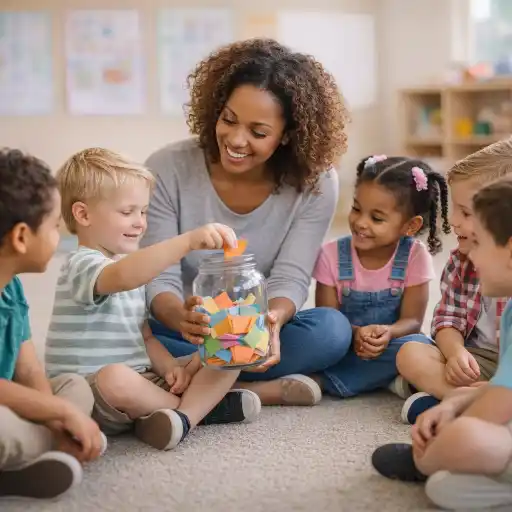
1. Predictability and emotional safety: Repeated rituals help children feel secure and reduce stress during transitions (see daily ritual ideas in How to Build Community in Your Classroom Through Daily Rituals).
2. Social memory and identity: Traditions strengthen peer bonds and family connections; they root learning in relatable moments (Back-to-School Traditions).
What makes a classroom tradition memorable?
- Consistency: same time/place (morning circle, closing ritual). See examples at ChildCareEd: daily rituals. #traditions
- Meaning: ties to feelings, values, or milestones (welcome songs, gratitude circles). These build #community.
- Sensory cues: a bell, special scarf, lighting, or scent that signals the ritual begins.
- Child participation: children lead parts, choose songs, or add to a group artifact (class book, mural).
- Repeatable novelty: small changes each year (new question on a reflection board) keep it fresh while preserving the frame.
Tip: choose 2–3 traditions your team can maintain every day or every week. State requirements vary - check your state licensing agency if family participation or food is involved.
How do I design simple, repeatable rituals that scale?
- Plan: pick the purpose (welcome, transitions, celebration). Align each tradition to that purpose. Refer to respectful routines in How can I build a respectful classroom culture?. #routines
- Prototype: try a 3-step version for 1 week (greet → share → close). Evaluate with staff.
- Assign roles:
- 🧑🏫 Teacher: cues and modeling
- 🧒 Child: daily helper rotates
- 📋 Assistant: materials and set-up
- Use sensory and safety supports:
- 🙂 Visual schedule or symbol for the ritual
- 😊 Hygiene cue (wash hands before a shared snack)—see handwashing guidance at the CDC.
- Document and teach: make a one-page script so substitutes can run the ritual. #children
Start small. Rehearse the ritual several times with language you’ll use predictably (greet, explain, do, reflect).
How can families and culture be included so traditions last?
When traditions reflect family life, children keep them in memory longer. Use these steps to partner respectfully and practically:
As an example of integrating cultural history into classroom traditions in age-appropriate ways, see Celebrate Juneteenth for guidance and preschool-friendly activities that honor Black families' heritage.
Include community holidays and family-led cultural observances—such as Juneteenth—as optional, educational contributions families can share to deepen meaning and representation in your classroom traditions.
- Invite choices, not pressure: send a short note inviting families to share a song, photo, or recipe—keep it optional and low‑time. See inclusive family ideas at How can I build cultural awareness in my classroom?. #families
- Co-create meaning: ask one question—"What do you do at home to celebrate the end of the day?"—and fold answers into the ritual.
- Honor language and representation: label a corner in another home language or display family photos (with permission). ChildCareEd’s multicultural resources and free activity packs can help (Resources: Classroom Positivity).
- Use assets-based framing: celebrate diversity across the year instead of single-day “culture fairs” (avoid tokenizing). For guidance on family engagement at an organizational level, see the research review at Improving Family Engagement.
- Respect privacy & safety: state requirements vary - check your state licensing agency before collecting personal items or sharing photos.
What common mistakes erode traditions and how do I avoid them?
Here are common pitfalls and quick fixes—enumerated so you can audit your practice today.
- ⚠️ Mistake: Overcomplication. Fix: reduce to 2–3 predictable steps. Rituals succeed by repetition, not by complexity (see simple daily rituals at ChildCareEd).
- ⚠️ Mistake: Inconsistency. Fix: assign days or staff lead; post a script and visual cue so it happens even with substitutes.
- ⚠️ Mistake: Excluding families or cultures. Fix: invite small, optional contributions and represent diverse materials year-round (Cultural Awareness).
- ⚠️ Mistake: Treating traditions as “one-off” events. Fix: weave core rituals into daily routines—use rituals for transitions, not only parties.
- ⚠️ Mistake: Safety/health oversights. Fix: check hygiene, allergies, and licensing requirements before food or shared items—see the CDC’s hand hygiene guidance (CDC).
How do I measure impact and keep traditions evolving?
Measuring a tradition’s value is practical and can be lightweight. Try these enumerated, staff-friendly checks:
- Observation logs: note child engagement and emotional tone during the ritual for 2 weeks (use short anecdotal notes). Tools in ChildCareEd free resources can help.
- Family feedback: one-question surveys—"Did your child talk about our classroom song at home?"—gives useful signals without burdening families.
- Staff reflection: monthly 10-minute huddle—what worked, what to tweak—document one change each month.
- Child voice: for preschool+ ask a simple question during circle: "What part did you like?" Collect answers for a class book or bulletin board. See emergent literacy supports at Classroom Tools for Emergent Literacy.
- Outcome signs: look for smoother transitions, fewer behavior incidents at ritual times, and increased family stories about the classroom—these are meaningful proxies for impact.
Summary
To create traditions children remember: choose simple, sensory rituals; involve children and families; maintain consistency; avoid tokenizing culture; and use quick measures to refine practice. Small rituals repeated with warmth become anchors in a child’s memory and your program’s identity.
FAQ
- Q: How often should a tradition occur? A: Start daily or weekly depending on purpose—daily for transitions, weekly for deeper sharing.
- Q: What if families opt out? A: Offer alternative ways to contribute (photo, recipe card, recorded song). Keep participation voluntary.
- Q: How long before a tradition 'sticks'? A: Expect 3–6 weeks of consistent practice for young children to anticipate and internalize it.
- Q: Can traditions be used for behavior support? A: Yes—rituals anchor expectations and can be paired with visual cues and explicit language from behavior guidance resources (guidance on respectful culture).
- Q: Who owns the tradition? A: Start teacher-led, then rotate child leadership to build ownership and memory.
References and further reading: ChildCareEd practical guides on daily rituals, cultural awareness, family engagement, and free classroom resources linked throughout the article. Additional health guidance from the CDC on hand hygiene.
Design traditions so they are simple, sensory, and scaffolded across ages. Memorable traditions usually share these elements (enumerated for easy planning):Practical design steps for busy programs—use enumeration to move from idea to practice.- 45 Hour Child Growth and Development
- SIDS: Saving Babies: A Change of Position, A Change in Tradition
- SIDS: Saving Babies: A Change of Position, A Change in Tradition
- 45 Hour Preschool Methods and Materials
- 45 hour Growth and Development Birth-age 12 ONLINE
- 45 Hour School Age Methods and Materials
- Texas Director Credential Renewal
- Texas Director Credential
- Every Moment Matters: Schedules and Transitions
- Juneteenth History and Activities
- Cultivating Literacy, Language, and Cultural Awareness: The Hanukkah Minibook in Early Childhood Education
- Building Excitement: Back-to-School Traditions for Little Learners
- How Can Childcare Educators Thrive in the Big Apple?
- Deck the Halls with Emotional Wellness: Family Traditions That Foster Connection
- How Neurodivergent Kids Shine During the Holidays
- CDA Certification en Español: Recursos y Consejos para Educadores Bilingües
- Canciones, juegos y preguntas de círculo para niños
- How Family Background Influences Babies’ and Children’s Development
- How Can You Celebrate Black Culture and Music Effectively in Your Program?
- How can childcare programs celebrate the harvest season in ways that are inclusive, safe, and sensory-rich?
- How can I create classroom traditions that children remember for years?
- Mawlid Around the World: How Kids Can Explore Different Traditions and Celebrations
- Rosh Hashanah Kindergarten Lesson Plans: 5 Days of Apples, Kindness, and New Beginnings
- Rosh Hashanah Sensory Bin Ideas: Apples, Honey, Shofars, and Sweet New Year Play
- How Can Child Care Providers Support Memory Development in Young Children?
- How Can We Celebrate Every Family and Create a Classroom Where Everyone Is Represented?
- How Can Classroom Traditions Create a Lasting Sense of Belonging?
- How Can “All About Me” Activities Build a Stronger Classroom Community?
- How Can Providers Ask About Family Traditions Without Making One Child the Spokesperson?
