Every day in child care we meet children from many places, families, and languages. This article helps directors and providers make clear, kind, and doable plans to support #diversity and #inclusion in your program. You will find why it matters, easy steps to try, ways to work with families, and how to avoid common mistakes. Links point to practical readings and trainings you can use right away.
Why does diversity and inclusion matter in early childhood?
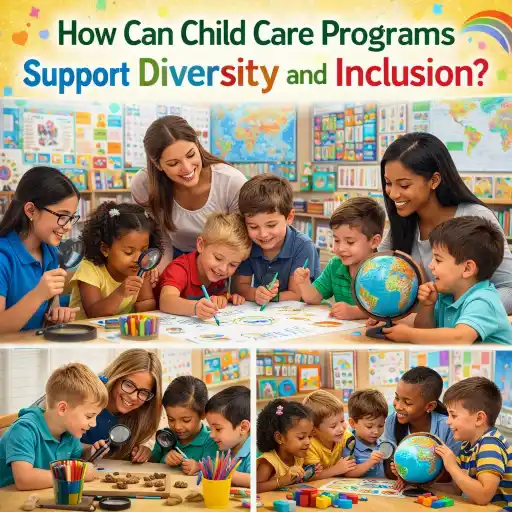
1. Children are already growing up in a diverse world. The numbers show our classrooms are changing — and that means programs should too. See the changing student demographics in this overview from University of Miami.
2. Diversity and inclusion help children build social skills and a strong sense of self. Young children learn from toys, books, music, and daily routines. Using materials that reflect many backgrounds helps children feel seen and teaches respect for others, as noted in ChildCareEd’s guide to creating inclusive environments.
3. Not acting can cause harm. Some children face bias or exclusion very early. Research about anti-Black racism in early years shows that young children and families can experience real harm if programs aren’t attentive and anti-racist; read more at Canada.ca.
Why it matters: 1) It builds empathy and better friendships. 2) It improves learning when children can relate to materials and teachers. 3) It protects children from unfair treatment and supports family trust. For practical training and small steps, check the ChildCareEd DEI guide.
How can I make my classroom and program more inclusive?
Start with small, steady changes. Here are clear steps you can take this week and this month.
- 😊 Use diverse materials: Add books, dolls, posters, and music that show many families and cultures. For ideas, see ChildCareEd’s activity guide.
- Offer choices and access: Arrange centers so all children can join. Follow Universal Design ideas (many simple UDL tips are in this guide on inclusive preschool science: UDL in preschool).
- 🧩 Teach routines that include everyone: Visual schedules, predictable steps, and calm spaces help children with many needs take part. The ChildCareEd inclusion article lists easy routines to try.
- Train staff: Use short team trainings on bias, languages, and cultural respect. ChildCareEd offers courses like Strength in Differences
 Buy Now $24.00 and live DEI sessions (DEI Zoom training).
 - 🗂️ Create an inclusion plan: 1) List priorities, 2) add materials, 3) plan family events, 4) track progress. Use free resources from ChildCareEd resources for templates and posters.
Remember: state requirements vary - check your state licensing agency when you change policies, space, or staff training.
How do I work with families and support home languages well?
Families are partners. When families feel respected, children thrive. Here are practical steps that welcome families and honor languages.
- 📬 Ask families what they want to share: Offer choices (photo, recipe, word list, song). Make sharing optional and easy. ChildCareEd says simple family invitations work best: see family tips.
- Label and greet in home languages: Use simple greetings, picture labels, and a few key words in children’s home languages. Indiana University’s resource on multilingual access explains why this helps all children learn.
- 🤝 Invite short family visits and cultural sharing: Plan 5–10 minute demonstrations (song, dance, story). The ChildCareEd inclusion guide has event ideas and ways to avoid putting pressure on families. Consider aligning some cultural-sharing activities with planned observances—for example, use the February is Black History Month guide for culturally responsive activities and training that center Black history respectfully.
- Build trust with clear communication: Use translated notes or pictures when needed. Check tools and vetted translations recommended by groups like Hands & Voices.
- 🧾 Share progress with families: Give quick notes about social play and learning gains. Use family feedback to shape activities and celebrate culture together. ChildCareEd’s resource bank (free resources) has templates.
How do we avoid common mistakes and measure success?
Common mistakes to avoid:
- 🚫 Treating one child as the “expert” for an entire culture. Instead, use books, pictures, and family voices to represent many views (ChildCareEd).
- 🚫 Doing a single “culture day” and then stopping. Make inclusion part of daily routines and materials (inclusive practices).
- 🚫 Using stereotypes or costumes. Choose real, respectful items and stories (see PBS activity ideas: Precious Children).
How to measure success (simple and practical):
- 🔍 Observe and count: Track how often children share, invite others, or play together. Note changes week to week.
- 🗣️ Ask short child questions: Use thumbs-up/thumbs-down or smiley-face charts to see how children feel about class play.
- 📬 Get family feedback: One-question surveys or a quick chat at pick-up give fast insights.
- 📈 Track staff learning: Keep a short log of trainings, read reflections, and note new tools used in class. ChildCareEd’s course trackers and resource pages can help (resources).
- 🧠 Reflect on bias: Use tools like the Implicit Association Test to prompt staff reflection on unconscious bias: Project Implicit.
FAQ
- Q: How do I start if my budget is small? A: Start with one new book, a photo family wall, and a greeting board in home languages. Swap materials with nearby programs.
- Q: What if staff resist change? A: Offer short trainings and make small, tested changes together. Use coaching and reflect as a team (ChildCareEd).
- Q: How do we handle difficult incidents of bias? A: Listen to the child and family, document what happened, take respectful corrective steps, and update your plan. Consider anti-racist policy guidance like the study on early anti-Black racism for deeper learning (Canada.ca).
Summary
1) Inclusion is not one big change — it is many small, steady moves. 2) Use diverse books, welcome home languages, train staff, and invite families to share. 3) Watch for kinder play and more sharing as signs your work matters. For many ready-to-use tools, trainings, and templates, see the ChildCareEd guides and free resources: ChildCareEd resources, DEI guide, and how-to guide.
Keep your changes practical and steady. Your work helps children learn to be kind, curious, and fair. Together we can build programs where every child and family feels welcome and safe. For deeper learning, explore trainings and research links shared throughout this article. Remember: state requirements vary - check your state licensing agency as you update policies and spaces. Thank you for the care you give to children and families every day.
- 45 Hour Child Growth and Development
- 45 Hour Preschool Methods and Materials
- Bienvenido! Welcoming All Families
- CDA Family Child Care Credential with Portfolio Review
- Pediatric RSV First Aid & CPR/AED
- 45 Hour School Age Methods and Materials
- CDA Bridge Bundle: Family Child Care without Portfolio Review
- Equity in Action with Head Start
- Texas Director Credential
- CDA Certification en Español: Recursos y Consejos para Educadores Bilingües
- How can childcare programs make inclusion work for every child?
- How Can Early Childhood Classrooms Celebrate Diversity and Inclusion?
- How can we celebrate diversity and inclusion in California early childhood classrooms?
- How are ChildCareEd's cultural competency courses helping New York childcare workers serve the city's most diverse communities?
- How can child care programs support diversity and inclusion?
- How to Teach Diversity to Preschoolers Through Play
- How can Michigan child care programs use global events to teach diversity and inclusion?
- How can we create classrooms where every child feels represented?
- How can child care programs use culturally responsive activities to support young children?
- How can I teach Black history to young children year-round?
- How Can We Teach Young Children the Difference Between Fair and Equal?
- Including Every Child: What Child Care Providers Should Know About the ADA
- Diversity and Inclusion in Childcare: What Does It Look Like in Everyday Practice?
- How Would You Approach Inclusivity and Diversity in a Childcare Setting? A Strong Interview Answer With Real Examples
- How Can Child Care Providers Respect Different Family Structures?
- How Can Child Care Programs Celebrate Hispanic Heritage Month Meaningfully?
- How Can Providers Create an Inclusive Classroom for Every Child?
- How Can Preschools Celebrate Hispanic Heritage Month Meaningfully?
