 What Are Inclusive Practices in Early Childhood Education?
Inclusive practices mean making sure all children feel welcome, #safe, and supported in #early-childhood settings. This includes children of different abilities, #cultures, languages, and family backgrounds. Inclusion is not about treating everyone the same. It is about giving each child what they need to #learn and grow.
In inclusive classrooms, #teachers plan activities that allow every child to participate. They adjust lessons, routines, and environments so children can succeed together. This approach helps children build friendships, confidence, and respect for others.
Inclusive care supports fairness, kindness, and understanding from a very young age. #inclusiveclassroom #earlylearning #childcareeducation
Why Is Inclusion Important for Young Children?
Inclusive practices help children learn important life skills early. When children grow up learning together, they are more likely to be caring and accepting adults.
Inclusive early childhood education helps children: 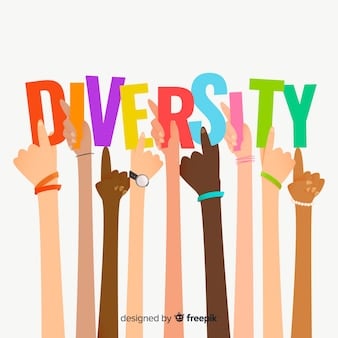
- Feel valued and respected
- Develop strong social skills
- Learn empathy and cooperation
- Build confidence and independence
For children with disabilities or learning differences, inclusion supports #growth in language, movement, and social skills. For all children, inclusion teaches that differences are normal and positive.
Families also benefit. When families feel welcomed and respected, they are more likely to stay involved and support learning at home.
How Can Teachers Create an Inclusive Classroom?
Creating an inclusive classroom starts with intentional choices. Teachers can make small changes that have a big impact.
Simple Ways to Support Inclusion
- Use clear routines and visual schedules
- Offer activities with different levels of difficulty
- Provide materials that reflect many cultures and abilities
- Use simple language and gestures when speaking
- Encourage children to help and learn from each other
Inclusive classrooms focus on what children can do, not what they cannot do. Teachers guide learning with patience, flexibility, and care.
How Do Inclusive Practices Support Children With Special Needs? 
Children with special needs may need extra support to fully participate. Inclusive practices help by removing barriers and offering helpful tools.
These supports may include:
- Extra time to complete tasks
- Adapted toys or learning tools
- Calm spaces for breaks
- Clear instructions with pictures or actions
Inclusion allows children with special needs to learn alongside peers while receiving the support they need. This builds confidence and helps all children learn acceptance and teamwork. #specialneedseducation
How Does Culture and Language Fit Into Inclusion?
Inclusion also means respecting culture, language, and family traditions. Many children come from homes where English is not the first language. Teachers can support these children by creating welcoming and respectful environments.
Helpful inclusive strategies include:
- Learning key words in a child’s home language
- Using pictures, songs, and stories
- Celebrating different holidays and traditions
- Asking families to share their customs
When children see their culture valued, they feel safe and proud of who they are. #culturalinclusion
What Training Helps Teachers Practice Inclusion?
Training helps childcare professionals understand how to support all learners. ChildCareEd offers courses that give practical tools for inclusive teaching.
Recommended ChildCareEd Training Courses
-
Diversity, Equity, and Inclusion in Education __This course helps educators understand culture, bias, and respectful teaching practices.
-
Power of Art: Bldg Self-Esteem & Positive Behavior for ALL Abilities Buy Now $35.00 __ Learn how to guide behavior in ways that support all children, including those who need extra help.
These courses support inclusive practices and help meet professional development goals.
What Is One Helpful ChildCareEd Resource?
ChildCareEd offers helpful tools beyond courses.
- ChildCareEd Free Resources Page
This page includes guides, articles, and learning tools that support inclusive teaching and professional growth.
This resource can help you put inclusive ideas into practice every day.
Where Can I Learn More About Inclusion?
For more guidance, read this related ChildCareEd article:
This article explains inclusion in simple terms and gives real-life examples for childcare professionals.
How Can Inclusion Be Part of Daily Routines?
Inclusion works best when it is part of everyday care, not just special activities.
Try these ideas:
- Offer choices during playtime
- Use books that show diverse families
- Encourage turn-taking and teamwork
- Model respectful language and behavior
Small actions, repeated daily, help children learn acceptance and kindness.
Stay Connected With ChildCareEd
ChildCareEd shares helpful tips, training updates, and childcare support on social media.
👉 Follow ChildCareEd on Facebook
Follow today to stay inspired and informed about inclusive practices and professional growth.
Inclusive practices in early childhood education help every child feel they belong. With the right training, tools, and mindset, educators can create caring environments where all children can learn, play, and grow together.
- Coaching for Success: Inclusive Strategies to Support Children with Autism
- Building Equity: Inclusionary Practices in Preschool
- CDA Bridge Bundle: Family Child Care without Portfolio Review
- CDA Bridge Bundle: Infant/Toddler without Portfolio Review
- CDA Bridge Bundle: Preschool without Portfolio Review
- Early Childhood Education
- Diversity, Equity, and Inclusion in Education
- Building Bridges for Dual Language Learners
- Inclusive Montessori: Supporting Diverse Learners in the Classroom
- Rooted in History: Early Childhood
- Building Quality Early Childhood Education Programs
- Empowering Early Childhood Education: NYAEYC
- Daycare Near Me: A Parent's Necessity
- From Challenges to Triumphs: Strategies for Childcare Educators in New York
- CDA Council's Early Educators Leadership Conference
- Bright Futures: Why CDA Certification is the Career Glow-Up You Need in 2025
- CDA Certification en Español: Recursos y Consejos para Educadores Bilingües
- Cursos De Daycare En Español
- Cómo Trabajar en el Cuidado Infantil en Carolina del Norte: Requisitos y Pasos
- Cómo Ser Maestra de Preescolar en Illinois
- Cómo Ser Maestra de Preescolar en Maryland
- Starting an Inclusive Daycare for Children with Speech Delays
- What can the National Mall teach us about building a classroom where every child has a voice?
- What Will the Future of Early Childhood Education and Care Look Like?
- More Than ABCs and 123s: The Real Importance of Early Childhood Education
- Special Needs Training for Early Childhood Educators: Which Course Should You Take?
