Describe how to effectively respond to emergency situations
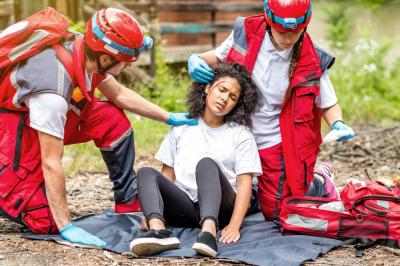
Learn how to effectively respond to emergency situations in early childhood education and child care centers. Discover what to do in the event of a loss of water, serious injury, or the unfortunate loss/death of a child. Our comprehensive guide provides step-by-step instructions and essential information to ensure the safety and well-being of children in emergency scenarios.Trainings incorporating this outcome
2 hours courses
 0.2 CEUs
Related Outcomes
- Demonstrate understanding of the components of a plan to respond to emergency situations
- Describe the importance of responding sensitively to differences in individual communication styles.
- Describe the types of emergency response and situations that warrant each response.
- Demonstrate understanding of strategies in responding to typical child care situations: biting, hitting, etc
- Describe ways to maintain communication and ensure preparedness during emergencies
- Describe ways to communicate effectively with others.
- Describe the proper procedures of medication administration including: authorizations forms, documentation, storage, training, emergent issues, and resources.
- Demonstrate an understanding of creating a successful block center by identifying the various types of blocks, describing an effective block center setup, and recognizing the various stages of block play.
- Describe the stages of emotional development in young children.
- Identify how to respond to accidents and emergencies in a family child care program
- Describe procedures for communication and preparation during an emergency.
- Describe the four styles of parenting and the effects they have on children.
- Describe nonverbal communication as it relates to coaching and mentoring.
- Give examples of strategies in responding to typical child care situations.
- Define what is an emergency and the legal requirements for emergency preparedness for child care professionals.
- Describe a sample observation of teaching staff and children to determine curriculum effectiveness
- Describe the stages of grief and the different ways children react to grief and stress.
- Describe the steps to use when collaborative coaching with teachers are not a match.
- Describe the purpose of a resume.
- Describe the importance of social emotional skill development in children entering kindergarten.
Related Articles
- A Lifeline for Little Ones: Why First Aid and CPR Training is Essential for Teachers and Parents
- Life in the Fast Lane: Why First Aid Training & CPR is Critical for Those Working With Children
- Getting Ready for the New School Year: Prioritizing Safety with First Aid and CPR Training
- Pediatric First Aid and CPR Training with ChildCareEd - Empower Yourself!!
- Save Lives With Skill: CPR Training
- BLS Training For Healthcare Providers With ChildCareEd
- Why Every Parent and Educator Should Learn Adult, Child, and Infant CPR
- Qué capacitación se requiere para ser director de cuidado infantil en Texas?
- Proceso CDA: Entrenamiento, Portafolio, Examen y Visita de Verificació
- Cómo ser director de cuidado infantil en Maryland
- ¿Cuáles son los pasos, requisitos y opciones en línea para la certificación de 90 horas en cuidado de Infantes/Toddlers en Maryland?
- Capacitación en Salud y Seguridad Preventiva en Línea para Proveedores de Cuidado Infantil
- ¿Qué Preguntas Vienen en el Examen CDA de Nacimiento a los Cinco Años?
- Cómo Iniciar el Proceso de Obtención de la Licencia de Cuidado Infantil
- Regulaciones de Licenciamiento de Cuidado Infantil en California para Centros y Hogares de Cuidado Infantil Familiar
- Normas de Licenciamiento de Cuidado Infantil en Virginia para Centros Diurnos Infantiles y Hogares Diurnos Familiares
- Reglas de Cuidado Infantil en Illinois
- Lista para Guardería en Casa en Illinois: Cómo Iniciar una Guardería en el Hogar
- Apoyo en Preescolar para Retrasos del Habla: Estrategias Simples que Ayudan
- Diversión fresca de verano: actividades del Día Nacional del Helado para niños
