By understanding the specific approaches required for adults, children, and infants, caregivers can create a safer environment and be prepared to act decisively when every second counts. Join us as we delve into the essential aspects of CPR training and its implications Buy Now $85.00$80.00 and explore hands-on certification options such as CPR & AED for adults, children, and infants Buy Now $85.00 that combine online learning with in-person skills verification. These courses increase community #safety and #preparedness.
For caregivers attending their first course, learning what to expect in a CPR class can make the training process more approachable, from instructor demonstrations to hands-on practice and skills evaluation.
What does CPR training cover for adults, children, and infants?
Why is CPR training essential for parents and educators?
-
Universal Applicability: Emergencies can happen to anyone, regardless of age. Being trained in CPR ensures that you are prepared to respond effectively to a cardiac arrest or other life-threatening situations involving individuals of any age.
-
Empowerment: Knowledge of CPR empowers #parents and #educators to act confidently in emergencies. This training provides the skills needed to respond quickly and effectively, potentially saving a life.
-
Community Safety: When more individuals are trained in CPR, the overall safety of the community increases. Parents and educators can create a safer environment for children by being prepared for emergencies.
-
Age-Specific Techniques: CPR techniques vary based on the age of the individual in need. Training programs typically cover:
- Adult CPR: Techniques for performing CPR on adults, including chest compressions and rescue breaths. Buy Now
$85.00$80.00 - Child CPR: Adjustments in technique for children, focusing on the appropriate depth and rate of compressions.
- Infant CPR: Specialized methods for infants, which require gentler techniques and different positioning.
- Adult CPR: Techniques for performing CPR on adults, including chest compressions and rescue breaths. Buy Now
-
Choking Protocols: CPR training often includes instruction on how to respond to choking incidents, Buy Now
$85.00$80.00 which can occur in individuals of #all-ages. Knowing how to perform the Heimlich maneuver or back blows can be crucial in these situations. -
First Aid Skills: In addition to CPR, training often encompasses basic first aid skills, such as managing cuts, burns, and fractures, which are essential Buy Now $0.00for anyone caring for children or working in educational settings.
-
Accessibility of Training: Organizations like ChildCareEd offer flexible training options, including online courses and in-person sessions, Buy Now
$85.00$80.00making it easier for parents and educators to obtain certification. The introduction of Remote Skills Verification (RSV) allows participants to complete training from #home while still receiving hands-on instruction. -
Immediate Certification: Upon successful completion of training, participants receive their certification promptly, allowing them to apply their skills in real-life situations without delay.
How does CPR training improve preparedness and community safety?
The significance of CPR training for all ages can be summarized through the following key points:
How do CPR techniques differ by age, step-by-step?
Adults, children, and infants require different approaches because of anatomical and physiological differences. For adults, high-quality compressions are prioritized: compress about 2 inches (5 cm) at a rate of 100–120 per minute, with rescue breaths as indicated by your training protocol. For children (roughly 1 year to puberty) compressions are shallower, and rescuers may use one or two hands depending on size; ventilation volumes and airway opening technique are adjusted. Infant CPR requires gentler force, typically two fingers for compressions on the lower sternum and careful, small puffs for ventilation. Positioning and hand placement are age-specific to avoid injury while maintaining perfusion.
Practical, teachable steps caregivers should practice: 1) Ensure scene safety and check responsiveness; 2) Call for help and activate emergency services or ask a colleague to do so; 3) Open the airway and check for normal breathing; 4) Start high-quality chest compressions with the correc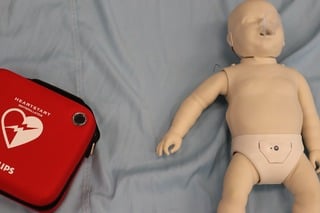 t depth and rate for the age group; 5) Provide ventilations when trained and indicated; 6) Use an AED as soon as it is available and follow voice prompts. Regular hands-on practice with appropriately sized manikins is essential to internalize hand placement, compression depth, and rescue-breath technique.
How do I keep my certification current and verify course acceptance?
Certification acceptance varies by state licensing agencies and employers. Confirm whether a course format (in-person, blended, or Remote Skills Verification) and the issuing organization are accepted for your role by checking with your state child care licensing office or workforce registry. ChildCareEd offers blended and RSV options that combine online content with verified skills practice; for example, see the Pediatric RSV First Aid & CPR/AED Buy Now $115.00 course for a remote-skills option that still provides hands-on evaluation. Keep records of digital certificates, monitor expiration dates, and schedule refresher training before credentials lapse so children in your care are continuously protected.
-
Life-Saving Skills: CPR is a vital skill that can save lives during emergencies. Whether responding to an adult experiencing a heart attack, a child choking, or an infant in distress, knowing how to perform CPR can make a crucial difference.
-
Preparedness for Various Scenarios: Emergencies can arise unexpectedly and affect individuals of all ages. Training in CPR equips parents and educators Buy Now
$85.00$80.00 with the knowledge to respond to a wide range of situations, including:- Cardiac arrest in adults
- Choking incidents in children
- Drowning or near-drowning situations in infants
-
Confidence in Emergency Situations: CPR training instills confidence in caregivers. In high-stress situations, knowing the correct procedures can help reduce panic and enable effective action. This confidence can #lead to quicker, more decisive responses, which are essential in emergencies.
-
Creating a Safer Environment: When parents and educators are trained in CPR, they contribute to a safer environment for children. This training not only protects the children in their care but also reassures parents and guardians that their children are in capable hands.
-
Community Impact: Widespread CPR training can have a positive ripple effect throughout the community. When more individuals are trained, the overall safety of the community increases, as there are more people capable of responding effectively to emergencies.
-
Legal and Professional Requirements: Many child care facilities and educational institutions mandate that #staff be certified in CPR. This not only meets legal obligations but also enhances the credibility and professionalism of caregivers.
Summary: What should parents and educators remember?
CPR skills differ by age but share the same objective: preserve life until professional help arrives. Parents and educators should prioritize hands-on practice, verify which training formats their state or employer accepts, and keep certificates current. Enroll in courses that combine cognitive instruction with skills verification—these provide the most practical preparation. When in doubt, contact your licensing agency or employer to confirm course acceptance and renewal requirements.
- Health, safety and nutrition
- Curriculum
- Child development
- Website Articles
- Family Child Care Providers
- CDA
- Child development
- Infant/ Toddler Educators
- Community and Family
- Curriculum and Environment
- Health, safety and nutrition
- Families
- Social/Emotional
- Content Areas
- Health and Safety
- Child Development
- School-Age Providers
- Adult/Child/Infant CPR AED and Adult First Aid Blended
- Adult Only CPR AED and Adult First Aid Blended
- Pediatric Blended First Aid & CPR/AED Adult, Child, Infant
- CDA Infants/Toddlers: Abuse and Neglect Reporting Requisites
- Pediatric RSV First Aid & CPR/AED
- Pediatric In-Person First Aid & CPR/AED Adult, Child, Infant
- 45-Hour Infant and Toddler Curriculum
- Texas Director Credential
- CDA Infants/Toddlers: Brain Development and Gene Expression
- CPR for childcare providers: what to know
- CDA Certification en Español: Recursos y Consejos para Educadores Bilingües
- Why Every Caregiver Needs Adult, Child, and Infant CPR Training
- Why Every Parent and Educator Should Learn Adult, Child, and Infant CPR
- 😫🧸 ¿Qué hacer cuando un bebé no quiere dormir la siesta en el aula?
- 🚨 Reporte Obligatorio en Nevada
- 45 horas para infantes y niños pequeños: cómo certificarse en línea
- ¿Cómo pueden los equipos de cuidado infantil practicar habilidades rápidas de primeros auxilios en situaciones reales?
- Lista para Abrir una Guardería en Casa en Georgia: Cómo Empezar
- Retraso del Habla en la Guardería: Cómo Pueden Ayudar los Proveedores
- What CPR and AED skills should every Nevada child care educator know?
- Online Babysitting Classes: Learn the Skills to Care for Children Safely
- First Aid Scenarios for Child Care Staff: 10 “What Would You Do Next?” Challenges
- What Do Children Learn When Educators Change Their Minds?
- How Often Should Child Care Staff Complete CPR and First Aid Training?
- How Can Child Care Teams Manage Infant Sleep Spaces Safely During Staggered Arrivals?
- Why Does a Baby Babble More with One Caregiver Than Another?
- When Does Taking a Photo Interrupt an Infant’s Interaction—and What Can Providers Do Instead?
- How Can Familiar Comfort Routines Help a Toddler Feel Safe at Child Care?
