List and review tracking systems to monitor the daily feeding schedule of infants and toddlers
Looking for a tracking system for your child's daily feeding schedule? Check out our list and reviews of tracking systems specifically designed for infants and toddlers. We also provide recommended feeding schedules and strategies for introducing new food for children from birth through age three. Perfect for early childhood education and child care centers.Trainings incorporating this outcome
120 hours courses
 12 CEUs
 online
5/5
12 CEUs online
4.8/5
12 CEUs online
CDA Family Child Care Credential with Portfolio Review  Credencial CDA de Cuidado Infantil Familiar con Revisión del Portafolio
Credencial CDA de Cuidado Infantil Familiar con Revisión del Portafolio 5/5
12 CEUs online
CDA Infant/Toddler Credential with Portfolio Review Credencial CDA para infantes y niños pequeños con revisión de portafolio
Credencial CDA para infantes y niños pequeños con revisión de portafolio 4.8/5
102 hours courses
10.2 CEUs online
4.7/5
45 hours courses
4.5 CEUs online
4.5/5
40 hours courses
3 hours courses
0.3 CEUs online
CDA Infants/Toddlers: Smart Nutrition & Feeding CDA Bebés y niños pequeños: Nutrición y alimentación inteligente
CDA Bebés y niños pequeños: Nutrición y alimentación inteligente 5/5
2 hours courses
0.2 CEUs online
4.4/5
0.2 CEUs online
4.6/5










Related Outcomes
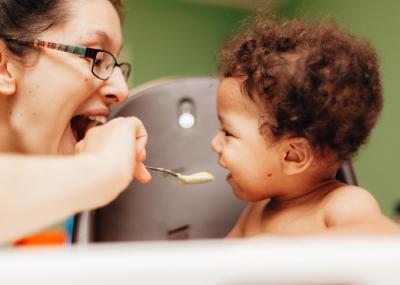
- List and review recommended feeding schedules and identifies strategies for introducing new food for children birth through age three
- List safety risks for infants and toddlers and strategies to diminish these risks.
- List the most common reasons why infants and toddlers bite.
- Identify the need to maintain individual feeding schedules for infants.
- List recommended feeding schedules and identify strategies for introducing new food for children birth through age three.
- List resources and the referral process for infants and toddlers with a suspected/diagnosed disability.
- Identify strategies to ensure appropriate infant and toddler supervision
- Give examples of resources and referrals for infants and toddlers and children with a suspect/diagnosed disability
- Recognize the needs of individualized learning for infants and toddlers.
- Demonstrate understanding of how to develop appropriate daily schedules that promote routines
- Define healthy practices to mitigate the spread of germs and decrease the likelihood of SIDS in infants and toddlers.
- Demonstrate understanding of the impact of culture on infant and toddler development
- Demonstrate an understanding of how to develop appropriate daily schedules that promote routines. (1 hr)
- Demonstrate an understanding of the OCC feeding regulations and monitoring requirements.
- Demonstrate understanding of appropriate interaction with infants and toddlers.
- Identify strategies for providing appropriate care for infants and toddlers with chronic health issues
- Identify the components of a lesson plan for infants and toddlers.
- Demonstrate an understanding of the Tribal Maternal, Infant, and Early Childhood Home Visiting program.
- Give examples of appropriate sensory activities for infants and toddlers.
- Demonstrate understanding of state feeding regulations and monitoring requirements.
Related Articles
- CDA Certification en Español: Recursos y Consejos para Educadores Bilingües
- Cuáles Son las Señales de Alerta en el Desarrollo Infantil que Todo Educador Debe Conocer?
- Recursos en Español sobre el Sueño Seguro del Bebé
- ¿Cuáles son las mejores actividades del Día de la Tierra para niños en casa o en el aula?
- ¿Qué preguntas aparecen en el examen CDA para preescolar?
- How can California child care providers create safer classrooms for infants, toddlers, and preschoolers?
- Child Care Daily Routine Examples for Infants, Toddlers, and Preschoolers
- What are the best infant care practices for New York child care providers?
- How can I create a safe childcare environment for every age group?
- How Can Child Care Providers Understand and Use Developmental Milestones from Birth to Age Eight?
- How can consistent caregiving build trust with young children?
- How Can Child Care Providers Introduce Simple Routines to Infants and Toddlers?
- Infant Classroom Schedule: A Flexible Daily Routine for Feeding, Naps, Play, and Care
- Mixed-Age Daycare Schedule: How to Plan a Day for Different Age Groups
- Home Daycare Ideas That Make Your Space Feel Safe, Fun, and Professional
- Daycare Infant Room Schedule: How Do You Manage 6 Babies on 6 Different Routines?
- Proporciones para guarderías en casa bajo el Título 22: Cómo la mezcla de edades cambia su capacidad en California
- How Can Infant and Toddler Rooms Use Daily Communication Logs Effectively?
- What Should Be Included in an Infant Daily Schedule?
