What is paced bottle feeding, and why does it matter?
Paced bottle feeding means the baby is in control of the #speed. The caregiver follows the baby’s hunger and “I’m full” signals instead of trying to make the baby finish the bottle.
Pacing helps because it can:
- Lower choking and gagging
- Reduce gas (less air swallowed)
- Help babies stop when they feel full
- Make feeding feel calmer and more like breastfeeding (for babies who do both)

How do you do paced bottle feeding step by step?
Use these simple steps each time (and share them with all #staff who feed infants).
Set up
- Wash your hands with soap and water.
- Sit in a quiet spot when possible.
- Hold the baby upright (not flat).
Feed slowly
- Touch the bottle nipple to the baby’s lips and wait for a wide mouth.
- Keep the bottle more level (not straight up). This slows the flow.
- Let the baby suck for a short time, then pause.
- A good rule: pause every 20–30 seconds, or when the baby stops sucking.
- If the baby pushes the nipple out, turns away, or relaxes their hands, take a break.
Watch for “I’m full” signs
- Slower sucking
- Turning the head away
- Falling asleep and not waking to eat
- Sealing lips or refusing the nipple
Important #safety note
- Never prop a bottle with blankets or let a baby drink alone.
This calm, cue-based approach supports #HealthAndSafety and helps babies build #healthy-eating habits.
How should you label and store #breast-milk in child care?
Clear labeling and fast cooling are key.
Label every bottle before it goes in storage
CDC guidance for #early-care and education says bottles should be labeled with the child’s name and today’s date.
Store right away
- Put breast milk in the refrigerator as soon as it arrives.
- Keep the refrigerator at 40°F (4°C) or below (use a fridge thermometer).
Breast milk storage times (general guidance)
From CDC’s ECE breast milk guidance:
- Room temperature (77°F/25°C or colder): up to 4 hours
- Refrigerator (40°F/4°C): up to 4 days
- Freezer (0°F/-18°C or colder): 6 months is best (up to 12 months is acceptable)
- Thawed, previously frozen milk: up to 24 hours in the refrigerator
- Leftover milk after a feeding: use within #2-hours, then discard
Do not re #freeze milk after it has been thawed.
How do you store and use infant formula #safely?
Formula safety is different from breast milk safety.
CDC guidance says:
- Use the prepared formula within 2 hours of making it.
- Once feeding starts, use it within 1 hour.
- If you won’t use it within 2 hours, put it in the fridge right away and use it within 24 hours.
- Throw out any formula left in the bottle after feeding (saliva can grow germs).
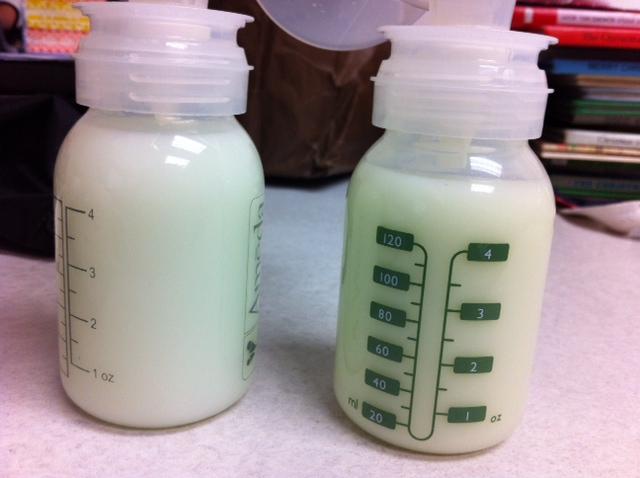
How do you warm bottles safely (without hot spots)?
Babies can drink milk cold, cool, room temp, or warm.
To warm a bottle:
- Place the sealed bottle in a bowl of warm water.
- Gently swirl to mix.
- Test a few drops on your wrist—warm, not hot.
Do not microwave breast milk. Microwaves can create hot spots that can burn a child’s mouth.
How can you prevent bottle mix-ups in a busy #classroom?
Mix-ups are most likely during busy moments (drop-off, staffing changes, or when babies cry). Build a routine that catches mistakes early.
CDC recommends steps like separating each child’s milk using assigned bins and using color-coded or personalized labels/bands.
Use the “2-ID check” every time
Before you feed, check:
- Child’s full name on the bottle
- Today’s date (and any #parent notes)
Simple systems that work
- One baby, one bottle, one #teacher: Don’t prepare multiple bottles at once.
- Assigned bins in the fridge: One labeled bin per child.
- Color cues: A colored band or sticker that matches the child’s bin.
- Feeding log: Record time and amount fed, then share with families.
- Clear handoffs: When staff change, do a quick bottle count and name check.
What should you do if a bottle mix-up happens?
Stay calm and follow your program’s policy and local rules. Here are safe, common steps:
- Stop the feeding as soon as you notice.
- Save the bottle and label it (do not throw it away right away).
- Tell your director/supervisor.
- Notify the child’s family (and the other family if another child’s milk was involved).
- Document what happened and what steps you took.

- Families should contact the child’s #healthcare provider with questions.
(Programs may have different rules, so always follow your licensing guidance.)
Where can you #learn more with ChildCareEd?
If you want deeper training for staff (or for your own professional #growth), these ChildCareEd courses connect closely to pacing, safe handling, and feeding routines:
- Supporting Breastfeeding Practices In Child Care
 Buy Now $16.00 (handling, storing, and feeding breast milk)
- CDA Infants/Toddlers: Smart Nutrition & Feeding Buy Now $24.00 (infant/ #toddler feeding needs and schedules)
Free ChildCareEd resource to support feeding routines
- Child Care Infant and Children Weekly Meal/Menu Planner Template Buy Now $0.00 (includes a framework for bottle/breastfeeding schedules)
Related ChildCareEd article
Follow ChildCareEd for more quick tips
For short, helpful ideas you can share with your team, follow @childcareed on TikTok and save posts for later:
With a clear routine, good labels, and calm pacing, bottle feeding can be #safer, easier, and more comfortable for everyone—especially the baby.
- SIDS: Saving Babies: A Change of Position, A Change in Tradition
- Basic Health & Safety and Breastfeeding Awareness
- CDA Bridge Bundle: Family Child Care without Portfolio Review
- CDA Bridge Bundle: Infant/Toddler without Portfolio Review
- CDA Bridge Bundle: Preschool without Portfolio Review
- Texas Teacher 24 hours Annual Renewal 2nd Year
- Creating Environments that Nurture Growth and Community
- Texas Director Credential
- CDA Infants/Toddlers: Smart Nutrition & Feeding
- The First Year: Feeding Infants
- CDA Certification en Español: Recursos y Consejos para Educadores Bilingües
- Capacitación en Salud y Seguridad Preventiva en Línea para Proveedores de Cuidado Infantil
- Proporciones de Cuidado Infantil y Tamaños de Grupo por Edad en Wisconsin (Guía Rápida para Centros y Hogares)
- Proporciones de Cuidado Infantil y Tamaños de Grupo por Edad en Nueva Jersey (Guía Rápida para Centros y Hogares)
- Por Qué la Supervisión Activa Es Clave para la Seguridad en el Cuidado Infantil
- How can childcare centers use simple health and safety best practices every day?
- What are the infant care best practices Minnesota child care providers should follow?
- How can infant and toddler care training help my program?
- Canciones, juegos y preguntas de círculo para niños
- What is the best infant care training for child care providers?
- How can childcare programs prevent choking and keep mealtimes safe?
- Proporciones para guarderías en casa bajo el Título 22: Cómo la mezcla de edades cambia su capacidad en California
- How Can Child Care Providers Support Safe, Responsive Infant Feeding?
- How Can Child Care Providers Strengthen Food Safety Practices?
- How Can Infant Room Labels Support Safer, More Consistent Care?
- How Can Child Care Teams Keep Feeding Communication Clear for a Breastfed Baby?
- What Should You Ask Parents Before Changing an Infant’s Feeding Routine?
- How Can Infant Feeding Records Support Responsive Care Without Rigid Targets?
- How Can Child Care Providers Teach Children to Report Unsafe Objects Without Touching Them?
- How Can Child Care Programs Organize Infant Milk Supplies for Different Feeding Plans?
