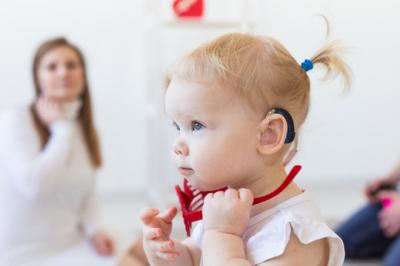
Define and identify common signs and behaviors of children and youth with hearing loss.
Learn about the common signs and behaviors of children and youth with hearing loss and developmental disabilities. Gain valuable insights into early childhood education and child care centers in order to better understand and support these children and youth.Trainings incorporating this outcome
30 hours courses

2 hours courses
 0.2 CEUs
 online
4.6/5

Related Outcomes
- Define and identify common signs and behaviors of children and youth with hearing loss.
- Define and identify common signs and behaviors of children and youth with Autism Spectrum Disorder.
- Define and identify common signs and behaviors of children and youth with conduct disorder.
- Define and identify common signs and behaviors of children and youth with fragile x syndrome.
- Define and identify common signs and behaviors of children and youth with cerebral palsy.
- Define and identify common signs and behaviors of children and youth with anxiety.
- Define and identify common signs and behaviors of children and youth with developmental disabilities.
- Define and identify common signs and behaviors of children and youth with ADHD.
- Define and identify common signs and behaviors of children and youth with depression.
- Define and identify common signs and behaviors of children and youth with hemophilia.
- Define and identify common signs and behaviors of children and youth with fetal alcohol syndrome.
- Identify appropriate practices for identify and demonstrate an children: Identify importance of individual planning
- Identify appropriate practices for identify and demonstrate an children: Define Developmentally Appropriate Practice
- Identify appropriate practices for identify and demonstrate an children: Identify examples of appropriate activities for different ages
- Identify strategies for the child care provider that will promote successful child development. Identify strategies for working with children with special needs
- Define and identify the components of developmentally appropriate practice for children aged 2 to 5.
- Define self-esteem and identify issues and strategies for support of school age children.
- Identify common mental health disorders in children and the importance of early intervention.
- Identify the signs of traumatic brain injury in infants and young children.
- Identify appropriate practices for identify and demonstrate an children: Teacher directed vs child directed
Related Articles
- CDA Certification en Español: Recursos y Consejos para Educadores Bilingües
- 🚨 Reporte Obligatorio en Nevada
- Capacitación en Línea con Certificado sobre Abuso y Negligencia
- Proporciones de Cuidado Infantil y Tamaños de Grupo por Edad en Virginia (Guía Rápida para Centros y Hogares)
- Lista para Guardería en Casa en Illinois: Cómo Iniciar una Guardería en el Hogar
- Retraso del Habla en la Guardería: Cómo Pueden Ayudar los Proveedores
- How Can North Dakota Caregivers Help Toddlers with Speech Delays?
- How can Minnesota child care programs best support children who are Deaf or Hard of Hearing?
- When a Child Has a Speech Delay: Tips for Child Care Providers
- How Teachers Can Notice Early Signs of Language Delays
- How can Michigan child care programs effectively support children with hearing or vision impairments?
- Reglas y regulaciones de guarderías en Minnesota 2026: Requisitos actuales y próximos cambios
- Emergency and Disaster Preparedness Training Online: What Will You Learn?
- When Is Repetitive Speech Typical—and When Should Teachers Pay Closer Attention?
- Child Keeps Hitting Other Kids? Look for These 7 Patterns Before Reacting
- Early Intervention Strategies: What Can Teachers Do While a Child Is Waiting for Services?
- How Can Child Care Providers Understand and Support Speech and Language Development?
- What Speech and Language Milestones Should Child Care Providers Know?
- How Can Child Care Providers Help a Shy Child Feel Comfortable in Preschool?
- When Should a Child Care Provider Be Concerned About Speech Development?
