Latest Blog & News

¿Dónde Encontrar el PDF Oficial del Título 22 para Child Care en California?
10/13/2026Encontrar una fuente oficial del Título 22 puede facilitar la verificación de las normas que aplican a su programa de cuidado infantil en California. Mientras consulta las páginas vigentes del CDSS, explore el curso de ChildCareEd Orientación sobre Salud y Seguridad, que... ¿Dónde Encontrar el PDF Oficial del Título 22 para Child Care en California?
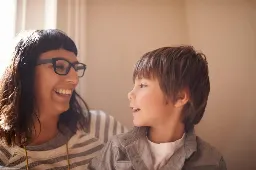
¿Cómo Elegir un Buen “Grow” sin Hacer que Suene Como una Crítica?
10/13/2026Una retroalimentación bien expresada puede fortalecer la confianza de una educadora y convertir un área de crecimiento en un próximo paso claro y alcanzable. Explore Coaching y mentoría eficaces en ECE y Metas SMART en coaching y mentoría para desarrollar conversa... ¿Cómo Elegir un Buen “Grow” sin Hacer que Suene Como una Crítica?

¿Columbus Day o Día de los Pueblos Indígenas? Cómo Explicarlo a los Niños
10/13/2026Los niños pueden notar que distintas comunidades reconocen esta fecha de maneras diferentes. Con un lenguaje claro y apropiado para su edad, los educadores pueden presentar múltiples perspectivas y hablar de los pueblos indígenas como comunidades vivas y diversas. Explore Cultu... ¿Columbus Day o Día de los Pueblos Indígenas? Cómo Explicarlo a los Niños

¿Qué Debes Tener Listo Antes de Solicitar una Donación de Crayola?
10/13/2026Los materiales de arte donados pueden ampliar las oportunidades creativas de los niños, pero una buena solicitud comienza con una planificación clara y requisitos bien definidos. El curso de ChildCareEd Corazón abierto, arte abierto ofrece ideas para transformar materiales coti... ¿Qué Debes Tener Listo Antes de Solicitar una Donación de Crayola?
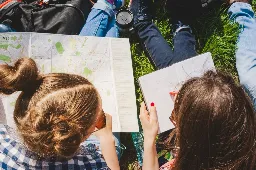
Día de los Pueblos Indígenas para Niños de 4 Años: Actividades Apropiadas para su Edad
10/13/2026Los niños de cuatro años sienten curiosidad por las personas, las historias y los lugares que forman parte de su mundo. El Día de los Pueblos Indígenas puede ofrecer oportunidades para explorar esas ideas de manera respetuosa, auténtica y apropiada para su edad. E... Día de los Pueblos Indígenas para Niños de 4 Años: Actividades Apropiadas para su Edad

Primero Calmar, Después Enseñar: Qué Hacer Cuando un Niño Golpea
10/13/2026Golpear puede ocurrir en un instante, por lo que responder con calma, proteger a todos y comprender qué comunica la conducta es fundamental. Explore ¡Ay! Morder y pegar duelen y Los ABC del comportamiento: Convertir los desafíos en oportunidades de aprendizaje para fortalecer su... Primero Calmar, Después Enseñar: Qué Hacer Cuando un Niño Golpea

¿Cómo reemplazar el tiempo de patio cuando llueve todo el día?
10/13/2026Un día lluvioso no tiene por qué sentirse limitado. Con una planificación flexible, los niños pueden seguir moviéndose, explorando, conectándose y descansando de manera equilibrada. Explore Actividades atractivas en interiores para condiciones climát... ¿Cómo reemplazar el tiempo de patio cuando llueve todo el día?
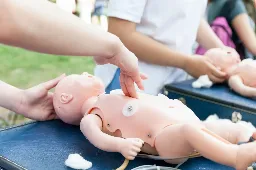
¿Qué Primeros Auxilios Puede Aprender un Niño de 6 a 10 Años?
10/13/2026Los niños de 6 a 10 años pueden aprender a reconocer una emergencia, mantener la calma y buscar ayuda de forma segura sin asumir responsabilidades propias de un adulto. Para fortalecer la preparación del personal, explore Primeros Auxilios Pediátricos y RCP/AED Combinado... ¿Qué Primeros Auxilios Puede Aprender un Niño de 6 a 10 Años?
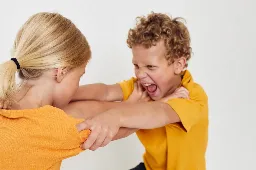
Conducta Difícil o Expectativa Poco Realista: Cómo Notar la Diferencia
10/13/2026Cuando un niño se resiste a recoger, toma un juguete o tiene dificultades durante una transición, puede estar mostrando una habilidad que todavía está desarrollando. El curso de ChildCareEd Cómo cambiar la conducta de niños pequeños y preescolares of... Conducta Difícil o Expectativa Poco Realista: Cómo Notar la Diferencia

Alrededor del Mundo sin Disfraces: Actividades Culturales Respetuosas para Toddlers
10/13/2026Los niños pequeños pueden conocer distintas culturas a través de la música, los cuentos, el arte y las experiencias cotidianas, de una manera respetuosa y apropiada para su desarrollo. Explore Actividades culturales Montessori: Explorando el mundo a través del jue... Alrededor del Mundo sin Disfraces: Actividades Culturales Respetuosas para Toddlers
