Latest Blog & News
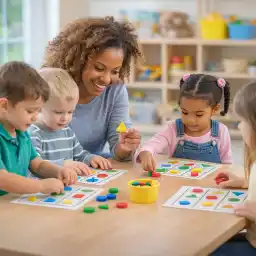
How Can Preschool Bingo Build Shape Reasoning Beyond Naming?
10/12/2026When a child can name a triangle but recognizes it only when it points up, there is a wonderful next step: helping them notice what makes it a triangle. Shape bingo can become more than a matching game when educators invite children to compare, describe, and explain. For practical strategies to make... How Can Preschool Bingo Build Shape Reasoning Beyond Naming?

How Can Child Care Providers Keep Classroom Routines Steady During Holiday Events?
10/12/2026Holiday events can bring joyful energy to a classroom—and extra uncertainty for children and staff. A clear daily rhythm helps you make room for celebration without losing the familiar anchors children rely on; the Balancing Act: Schedules and Routines course offers focused learning on age-app... How Can Child Care Providers Keep Classroom Routines Steady During Holiday Events?

How Can Montessori Grace and Courtesy Shape More Meaningful Classroom Celebrations?
10/12/2026Celebrations can bring children together—and also create moments of waiting, sharing space, and navigating differences. Practicing Montessori grace and courtesy gives children concrete ways to participate with care, while Raising Peaceful Learners: The Montessori Advantage offers a deeper look... How Can Montessori Grace and Courtesy Shape More Meaningful Classroom Celebrations?
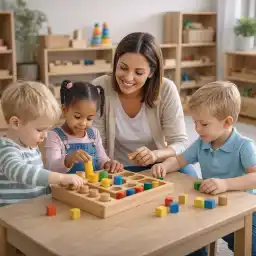
How Can Montessori Shape Activities Welcome Different Learners?
10/12/2026Shape work can invite joyful discovery, but a chart or matching task may not be equally accessible to every child. With flexible materials and thoughtful choices, providers can preserve the Montessori spirit of independence while opening multiple paths into geometry; the Inclusive Montessori: Suppor... How Can Montessori Shape Activities Welcome Different Learners?
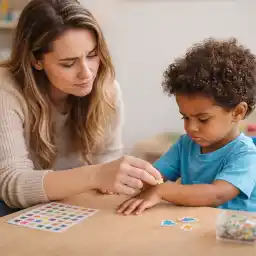
Should You Take Away a Sticker a Child Has Already Earned?
10/12/2026A sticker already placed on a child’s chart represents a moment of success—not a deposit an adult can withdraw after a difficult moment. For respectful, practical ways to guide behavior and respond to conflict, explore Teach with Respect ONLINE, a three-hour course that can strengthen yo... Should You Take Away a Sticker a Child Has Already Earned?
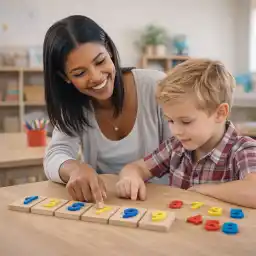
Why Does a Child Think Odd Numbers Are Always Smaller—and How Can Providers Help?
10/12/2026When a child says, “Odd numbers are smaller,” they may be revealing a pattern they have noticed—not simply making a mistake. Help them test that idea with hands-on pairing, conversation, and a practical Sorting Mat - Odd or Even; for a deeper look at how children learn through play... Why Does a Child Think Odd Numbers Are Always Smaller—and How Can Providers Help?

How Can Family Knowledge Shape Meaningful Community Learning Experiences?
10/12/2026Children’s neighborhoods are full of questions worth exploring—but the richest starting points often come from what families already know and do. A thoughtful Family Questionnaire can help you turn everyday family knowledge into relevant classroom investigations, and Coordinating with Co... How Can Family Knowledge Shape Meaningful Community Learning Experiences?

How Can Child Care Providers Help Families Replace a Daily Video with Shared Reading?
10/12/2026A familiar daily video can be a helpful pause in a busy family routine, but even a few minutes can become a warm, language-rich reading moment. The Supporting Families and Caregivers in Language and Literacy course offers practical ways to partner with caregivers and encourage literacy at home and i... How Can Child Care Providers Help Families Replace a Daily Video with Shared Reading?

How Can Family Knowledge Shape Meaningful Community Learning Experiences?
10/12/2026Children’s communities are full of places, people, skills, and stories that can bring learning to life—but families are often the best guides to what will feel relevant and welcoming. A thoughtful Family Questionnaire can help your team uncover those connections, and Coordinating with Co... How Can Family Knowledge Shape Meaningful Community Learning Experiences?

How Can After-School Programs Support Math Learning for Children with IEPs?
10/12/2026After a full school day, math support should build confidence—not add another layer of stress. With individualized strategies and a welcoming routine, after-school providers can reinforce a child’s learning goals while respecting their energy, strengths, and needs. The Individual Needs &... How Can After-School Programs Support Math Learning for Children with IEPs?
