Latest Blog & News
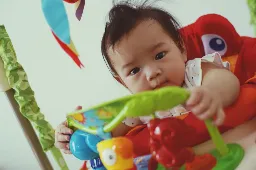
Investigar sin Escribir: Cómo Documentar la Ciencia en los Más Pequeños
10/14/2026Los bebés y niños pequeños investigan al tocar, probar, repetir y observar, aunque todavía no puedan escribir una hipótesis. En este artículo, veremos cómo documentar esas exploraciones y usarlas para planificar nuevas oportunidades de aprendizaje, co... Investigar sin Escribir: Cómo Documentar la Ciencia en los Más Pequeños
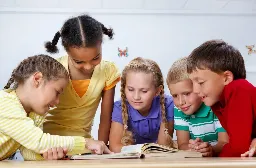
Cada Cosa en Su Lugar: Cómo Presentar una Rutina de Pertenencias al Estilo Montessori
10/14/2026Una rutina de llegada puede convertirse en una oportunidad para fomentar orden, autonomía y confianza. En este artículo, veremos cómo presentar paso a paso dónde guardar las pertenencias y cómo reducir gradualmente la ayuda del adulto, con apoyo de Introducci&oacut... Cada Cosa en Su Lugar: Cómo Presentar una Rutina de Pertenencias al Estilo Montessori
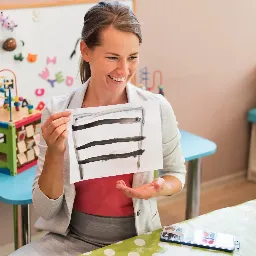
¿Cuánto Tiempo Toma de Verdad? Cómo Ajustar las Rutinas al Ritmo Real del Aula
10/14/2026Una rutina puede verse perfecta en el horario y aun así necesitar más tiempo en la práctica. En este artículo, veremos cómo calcular la duración real de una actividad incluyendo preparación, transiciones y pequeños retrasos, con apoyo de Todo D... ¿Cuánto Tiempo Toma de Verdad? Cómo Ajustar las Rutinas al Ritmo Real del Aula

Moverse y Descansar: Cómo Equilibrar la Energía en un Día sin Patio
10/14/2026Cuando el clima no permite salir, los niños todavía necesitan oportunidades para moverse, explorar y también recuperar la calma. En este artículo, veremos cómo alternar actividades activas y tranquilas para mantener un ritmo equilibrado durante el día, con a... Moverse y Descansar: Cómo Equilibrar la Energía en un Día sin Patio
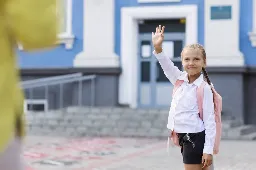
Despedidas Más Tranquilas: Cómo Acordar una Rutina de Llegada con la Familia
10/14/2026Cuando la despedida se alarga cada mañana, una rutina clara puede ayudar tanto al niño como a la familia. En este artículo, veremos cómo conversar sobre una despedida predecible, observar cómo responde el niño y ajustar el proceso en conjunto, con apoyo de H... Despedidas Más Tranquilas: Cómo Acordar una Rutina de Llegada con la Familia
Practicar Antes del Problema: Cómo Enseñar las Reglas en Momentos de Calma
10/14/2026Las reglas se aprenden mejor cuando no se presentan solo después de un conflicto. En este artículo, veremos cómo aprovechar momentos tranquilos para modelar, practicar y conversar sobre las expectativas del aula, con apoyo de Mantenerse Positivo: Orientación para Preescol... Practicar Antes del Problema: Cómo Enseñar las Reglas en Momentos de Calma
Moverse y Descansar: Cómo Equilibrar la Energía en un Día sin Patio
10/14/2026Cuando el clima no permite salir, los niños todavía necesitan oportunidades para moverse, explorar y también recuperar la calma. En este artículo, veremos cómo alternar actividades activas y tranquilas para mantener un ritmo equilibrado durante el día, con a... Moverse y Descansar: Cómo Equilibrar la Energía en un Día sin Patio
Cada Cosa en Su Lugar: Cómo Presentar una Rutina de Pertenencias al Estilo Montessori
10/14/2026Una rutina de llegada puede convertirse en una oportunidad para fomentar orden, autonomía y confianza. En este artículo, veremos cómo presentar paso a paso dónde guardar las pertenencias y cómo reducir gradualmente la ayuda del adulto, con apoyo de Introducci&oacut... Cada Cosa en Su Lugar: Cómo Presentar una Rutina de Pertenencias al Estilo Montessori
¿Cuánto Tiempo Toma de Verdad? Cómo Ajustar las Rutinas al Ritmo Real del Aula
10/14/2026Una rutina puede verse perfecta en el horario y aun así necesitar más tiempo en la práctica. En este artículo, veremos cómo calcular la duración real de una actividad incluyendo preparación, transiciones y pequeños retrasos, con apoyo de Todo D... ¿Cuánto Tiempo Toma de Verdad? Cómo Ajustar las Rutinas al Ritmo Real del Aula
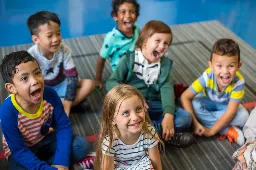
Más Allá de las Tres Carabelas: Ideas para Enseñar Columbus Day a los Niños
10/13/2026Enseñar sobre el Día de Colón puede ser una oportunidad para explorar mapas, viajes e historia mientras se presentan distintas perspectivas de manera respetuosa y apropiada para la edad. El curso de ChildCareEd Culturas en el aula ofrece estrategias para fortalecer la inclusi&o... Más Allá de las Tres Carabelas: Ideas para Enseñar Columbus Day a los Niños
