Latest Blog & News

¿Quién Debe Completar el Formulario 2912 en un Daycare de Texas?
10/20/2026El Formulario 2912 puede generar dudas al contratar nuevo personal, especialmente al determinar quién debe completarlo y cuándo. Conocer su propósito y verificar las instrucciones vigentes de Texas HHSC puede ayudar a mantener los expedientes completos y evitar retrasos. Para f... ¿Quién Debe Completar el Formulario 2912 en un Daycare de Texas?

De la Imagen al Sonido: Cómo Enseñar Sonidos Iniciales Paso a Paso
10/20/2026Ayudar a los niños a escuchar cómo comienzan las palabras puede convertir una actividad sencilla en una base importante para la lectura temprana. El curso de ChildCareEd Fundamentos de la ciencia de la lectura en el aula de pre-K ofrece estrategias para fortalecer la conciencia de los... De la Imagen al Sonido: Cómo Enseñar Sonidos Iniciales Paso a Paso

Estrategias de Orientación para Transiciones, Conflictos y Momentos Difíciles
10/20/2026Las transiciones, los conflictos y los estallidos emocionales pueden ser momentos difíciles, pero también oportunidades para enseñar habilidades sociales y emocionales. Explore Cada momento cuenta: horarios y transiciones y Ya no eres mi amigo: Aprendiendo a resolver conflictos... Estrategias de Orientación para Transiciones, Conflictos y Momentos Difíciles

De Maestra a Administración: Qué Cambia Cuando te Conviertes en Subdirectora
10/20/2026Pasar de educadora a subdirectora significa ampliar su enfoque del aula a todo el programa, incluyendo al personal, la planificación y las operaciones diarias. Explore Administración del Cuidado Infantil y Supervisión, observación y retroalimentación del personal ... De Maestra a Administración: Qué Cambia Cuando te Conviertes en Subdirectora
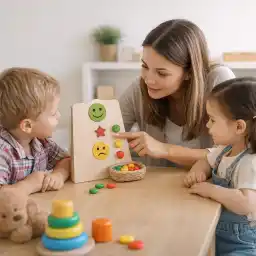
What Are Developmentally Appropriate Ways to Teach Children About Consequences?
10/17/2026When a child grabs a toy, spills paint, or refuses to clean up, your response can turn a tense moment into a useful lesson in responsibility and problem-solving. Developmentally appropriate consequences help children connect actions with outcomes without shame or fear. To build practical, classroom-... What Are Developmentally Appropriate Ways to Teach Children About Consequences?

How Can Teachers Help Young Children Understand Similarities and Differences?
10/17/2026Children notice differences early; the way adults respond can turn that curiosity into respect, or leave children unsure what they are allowed to ask. The online Strength in Differences: Cultural Diversity course offers practical ways to build culturally responsive classrooms and strengthen your pro... How Can Teachers Help Young Children Understand Similarities and Differences?

How Can Preschool Teachers Make Quiet-Time Activities More Meaningful?
10/17/2026Quiet time can be more than a pause between busy parts of the day: it can support children’s rest, agency, and growing ability to focus. Explore practical ways to offer calm choices that meet different needs, and consider From Tantrums to Triumphs: Equipping Preschoolers with Self-Regulation S... How Can Preschool Teachers Make Quiet-Time Activities More Meaningful?
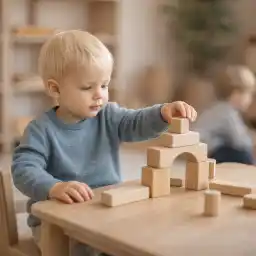
What Are Simple Ways to Strengthen Spatial Awareness in Young Children?
10/17/2026Spatial awareness grows when children get to move, build, explore, and talk about where things are. Add practical ideas to your classroom routine—and deepen your teaching strategies with Early Mathematics Through Play, a course that connects geometry and other early math concepts to hands-on a... What Are Simple Ways to Strengthen Spatial Awareness in Young Children?

What Are Effective Ways to Help Young Children Follow Classroom Boundaries?
10/17/2026When children know what a boundary means—and have practiced what to do—they can participate more safely and confidently in classroom life. Explore Staying Positive: Guidance for Preschoolers to deepen your positive-guidance skills, and consider Viewing Guidance in a Positive Light for fo... What Are Effective Ways to Help Young Children Follow Classroom Boundaries?

What Should Teachers Consider When a Classroom Activity Is Too Easy or Too Difficult?
10/17/2026A classroom activity that misses the mark can leave one child disengaged and another overwhelmed—but a few thoughtful adjustments can restore meaningful challenge. The Tailoring Instruction to Children's Needs course explores differentiation and scaffolding, helping educators plan activities w... What Should Teachers Consider When a Classroom Activity Is Too Easy or Too Difficult?
