What is CPR, and why is it important in child care?
CPR stands for Cardiopulmonary Resuscitation. It is an emergency intervention applied when an individual is not breathing normally or has experienced cardiac arrest. In early care and education settings, CPR is essential because: ChildCareEd offers practical training to develop competence and confidence; for example, consider Pediatric In-Person First Aid & CPR/AED (Adult, Child, Infant) Buy Now $95.00 or the Pediatric Blended First Aid & CPR/AED (online + in-person skills check) Buy Now $85.00$80.00 to obtain hands-on practice and documentation many licensing programs request.
- Young children can #choke more easily
- Allergic reactions can happen suddenly
- Drowning risk is real during water #play
- Some medical conditions can cause breathing problems
CPR does not substitute for contacting emergency medical services; it provides life-sustaining support until professional responders arrive.
Do child care providers need CPR certification?
Many states and licensing agencies require CPR and First Aid training for child care #staff. Requirements can be different based on your role and setting ( #center-based, family child care, school-age care, etc.).
A smart first step is to check what your state or program accepts. This #free ChildCareEd resource can help you see #examples of approved CPR/First Aid organizations (and related training expectations): List of Approve First Aid/CPR and SIDS Organizations. Admin. Buy Now $0.00
How do I confirm my state's CPR and First Aid requirements?
State licensing and subsidy programs vary by jurisdiction, program type, and staff role; verify requirements rather than assuming statewide uniformity. Start by locating your state's child care licensing or early childhood agency website and search for sections titled “training,” “health and safety,” or “staff qualifications.” Identify whether the regulation names specific curricula, required training hours, or approved trainers. If the regulation is ambiguous about online or blended formats, contact the licensing specialist or registry listed on the agency site and ask whether blended courses with an in-person skills check are acceptable for your program type (center-based, family child care, or school-age).
When you contact your licensing office, be prepared to describe: the exact course title, hours, delivery format, instructor or provider, and whether the course issues a certificate or CEU record. Ask whether AED training, choking response for infants, or allergic-reaction modules are specifically required. Keep copies of all certificates, a short summary of the course content, and the contact information for the training provider in staff files — agencies commonly request this documentation during inspections. Retaining a simple verification checklist (agency name, contact, accepted formats, and next renewal date) will reduce confusion and support compliance during audits or visits.
What should a CPR course for child care providers include?
For child care, you want training that matches the ages you serve. Look for courses that cover:
- Adult, child, and infant CPR (skills are not exactly the same)
- AED use (Automated External Defibrillator)
- Choking response for infants and children
- How to recognize an emergency and activate your emergency #plan
- Hands-on practice (very important for confidence)
ChildCareEd offers CPR and First Aid options designed for providers, including:
For perspectives on why providers take these courses and the learner experience, see Pediatric First Aid and CPR Training with ChildCareEd - Empower Yourself!!.
- Pediatric In-Person First Aid & CPR/AED Adult, Child, Infant Buy Now $95.00
- Pediatric Blended First Aid & CPR/AED Adult, Child, Infant (online #learning Buy Now
$85.00$80.00 + in-person skills check) - CPR & AED Adult, Child, Infant – In Person
Buy Now $90.00
What’s the difference between “in-person” and “blended” CPR training?
Both formats can be effective—what matters most is quality training and hands-on practice.
In-person training often includes:
- Live instruction
- Skills practice and feedback
- Group scenarios (helpful for teamwork)
Blended training often includes:
- Online lessons you can complete on your schedule
- An in-person skills verification session
- A good fit for busy providers
If you learn best by doing, in-person may feel easier. If your schedule is tight, blended can be a great option.
What should providers do during an emergency at child care?
In a real emergency, you do not want to “figure it out” in the moment. You want a simple plan you have practiced. Understanding the role of bystanders and how they can safely intervene is also useful; see how bystanders can save lives in an emergency for practical tips on stepping in and coordinating with professional responders.
Here are practical steps many programs use (follow your program policy and training):
For practical guidance on assembling and stocking an on-site kit that supports the steps below, see Got CPR and A Well-Stocked First Aid Kit?.
- Stay calm and act fast
- Send someone to call 911 and bring emergency supplies/AED
- Begin the trained response you learned in CPR/First Aid
- Keep other children #safe and supervised
- Contact the child’s family using your program process
- Document what happened as required (time, symptoms, actions taken)
Tip: Practice drills and role-play with #staff-so everyone knows their role.
What emergency supplies should be easy to grab?
CPR skills are one part of being ready. Your environment and supplies matter too.
Keep these items easy to access (based on your policy and local rules):
- Emergency contact list and child info
- First aid kit
- Gloves and basic protective supplies
- AED (if your program has one)
- Allergy action #plans and emergency medications (as allowed)
- A charged phone or two-way communication device
Also, make sure all staff know:
- Where the AED is
- Where emergency binders are kept
- The address of the program site (for calling 911)
How often do CPR certifications expire, when should you renew, and what common CPR mistakes should providers avoid?
CPR certifications usually expire after a set time (often every 1–2 years, depending on the program). Even before it expires, it is helpful to refresh skills, because CPR is a “use it or lose it” kind of skill.
Good #renewal habits include:
- Mark your renewal date on a calendar
- Renew #early so you do not lapse
- Do short practice reviews with staff during meetings
- Update staff files and training records right away
You do not have to be perfect to save a life—but planning helps reduce mistakes.
Common problems in child care settings include:
- Not knowing where the AED is stored
- Not practicing the emergency plan
- Assuming CPR is “the same for everyone” (adult vs. child vs. infant)
- Waiting too long to call for help
- Missing paperwork steps (permissions, training records, incident reports)
The fix is simple: train, practice, and keep emergency info organized. 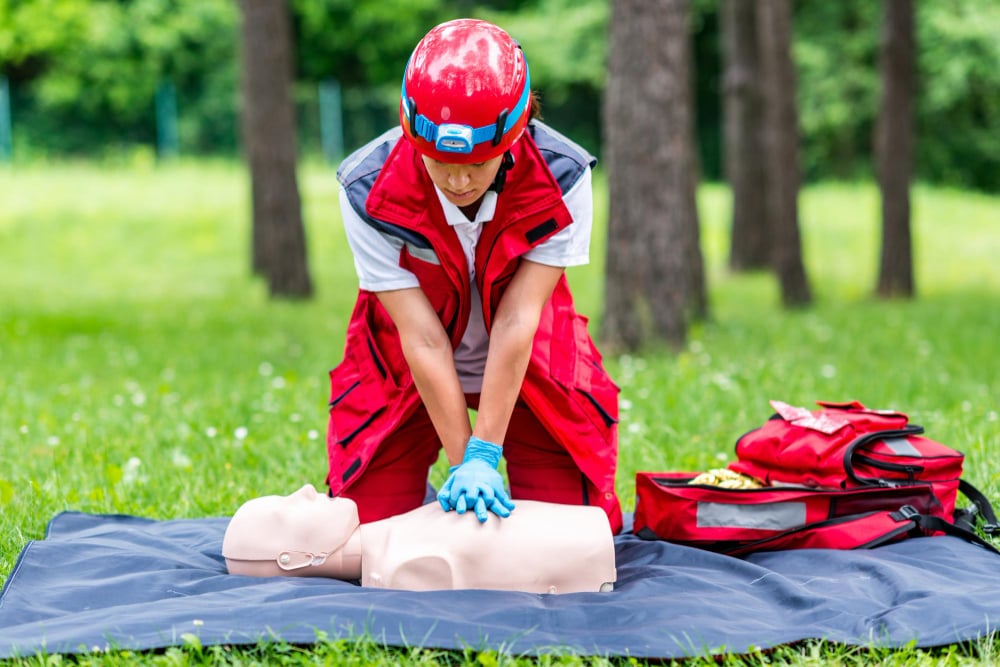
Where can I learn more and build confidence?
Learning CPR can feel scary at first. That is normal. The goal is not to feel fearless—the goal is to feel prepared.
For more support, read this related ChildCareEd article:
Keeping Kids Safe: Why Pediatric First Aid and CPR Training is Essential for Childcare Providers
Why Pediatric First Aid Training is Crucial for Daycare Providers — practical rationale and implementation tips.
First Aid and CPR: An Investment in Community Safety — broader community framing and advocacy ideas.
And if you want quick tips, #safety reminders, and training updates, follow ChildCareEd on social media here:
https://linktr.ee/childcareed
Pick your favorite platform and tap Follow so you don’t miss new posts.
What’s the most important thing to remember?
CPR training gives you a plan for a moment you hope never happens. In child care, being ready is part of caring.
For staff-empowerment and program-level arguments to make training routine, see Emergencies Don’t Make Appointments!, which outlines organizational strategies for ensuring staff readiness.
Small steps make a big difference:
- Take the right CPR course for the ages you serve
- Practice your emergency plan with your team
- Keep supplies and contact info organized
- Renew on time and stay confident in your skills
Summary
CPR and pediatric first aid are foundational competencies for anyone caring for young children. Choose a course that matches the ages you serve, confirm your state or program acceptance, and prioritize hands-on skills practice. Keep accessible emergency supplies, maintain up-to-date documentation, and rehearse your emergency plan as a team. Regular renewal and brief in-service practice drills preserve competence; clear documentation and a short verification checklist make compliance easier during visits or audits.
Small, consistent steps — appropriate training, practiced procedures, and organized records — materially increase safety and staff confidence. If you need practical next steps, enroll in a ChildCareEd pediatric First Aid & CPR format that fits your schedule and then implement a short staff drill to embed the skills.
- Basic Health & Safety and Breastfeeding Awareness
- Basic Life Support (BLS) In-Person Healthcare Providers
- Basic Life Support (BLS) Blended Healthcare Providers
- Pediatric Blended First Aid & CPR/AED Adult, Child, Infant
- Pediatric RSV First Aid & CPR/AED
- Pediatric In-Person First Aid & CPR/AED Adult, Child, Infant
- Texas Director Credential Renewal
- Texas Director Credential
- Maryland! Get your First Aid and CPR certification!
- Focus on Health and Safety Training
- The Benefits of CPR Remote Skills Training
- Getting Ready for the New School Year: Prioritizing Safety with First Aid and CPR Training
- Pediatric First Aid and CPR Training with ChildCareEd - Empower Yourself!!
- Top Medication Administration Training Certification Courses You Need to Know About
- How To Get a Daycare License In California
- Free Babysitting Certificate Online: What’s Legit and What to Avoid
- Preventive Health and Safety Training for Childcare Providers Online
- Capacitación en Salud y Seguridad Preventiva en Línea para Proveedores de Cuidado Infantil
- Proporciones de Cuidado Infantil y Tamaños de Grupo por Edad en Maryland (Guía Rápida para Centros y Hogares)
- How to Work in Childcare in Maryland: Requirements and Steps
- Online Child Care Courses in California: Training Made Simple
- DCDEE Works Login and Resources for Providers
- North Carolina DCDEE Works: A Provider’s Guide
- How can DC early childhood classrooms stay ready with CPR and AEDs?
