Latest Blog & News

How Can Child Care Providers Create Sensory-Friendly Classroom Spaces?
09/05/2026A classroom can be welcoming and still feel overwhelming when noise, light, clutter, or unpredictable transitions exceed a child’s capacity to participate. Thoughtful, low-cost design choices can improve comfort, engagement, and inclusion; for a structured starting point, explore Classroom Set... How Can Child Care Providers Create Sensory-Friendly Classroom Spaces?

What Early Signs of Autism May Child Care Providers Notice?
09/18/2026When you work with young children each day, small differences in communication, play, or sensory responses may become visible before a family has concerns. Learning to recognize patterns—without diagnosing—can help you document observations, partner respectfully with families, and connec... What Early Signs of Autism May Child Care Providers Notice?

How Do You Create a Neurodiversity-Affirming Classroom?
07/21/2026Ready to shift your classroom from tolerance to true affirmation? Creating a neurodiversity-affirming environment helps every child feel safe, seen, and able to learn in ways that match their brain and body. For practical, classroom-tested strategies and continuing education credit, consider... How Do You Create a Neurodiversity-Affirming Classroom?

How can we manage staff training without paper folders?
06/19/2026Many child care centers are tired of lost papers and messy files. This article shows simple steps to move staff training into digital systems. You will learn easy tools, a short weekly routine, and how to keep your program ready for visits. Use these tips to protect staff time and make your #train... How can we manage staff training without paper folders?
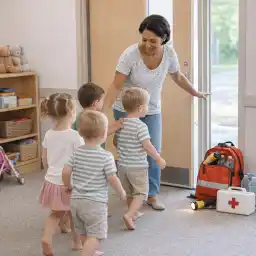
How Can Child Care Programs Build Effective Emergency Preparedness?
09/14/2026When an emergency interrupts the ordinary rhythm of your program, a clear plan can help adults respond with confidence and keep children connected to familiar routines. Begin strengthening your program with Emergency and Disaster Preparedness, a self-paced course that helps child care professionals ... How Can Child Care Programs Build Effective Emergency Preparedness?

How Can Fall Harvest Activities Teach Young Children Healthy Eating Habits?
10/22/2026Fall harvest activities can turn children’s natural curiosity about pumpkins, apples, and gardens into positive, lasting food experiences. With intentional, low-pressure activities, child care providers can build nutrition knowledge, encourage sensory exploration, and honor family food traditi... How Can Fall Harvest Activities Teach Young Children Healthy Eating Habits?

How Can Thanksgiving Classroom Activities Teach Nutrition and Healthy Eating?
10/22/2026Thanksgiving foods offer a lively, familiar way to help young children explore where food comes from, what makes meals varied, and how eating can be joyful and social. Strengthen your classroom practice with Nutrition Essentials for Child Care Providers, a course that covers children’s nutriti... How Can Thanksgiving Classroom Activities Teach Nutrition and Healthy Eating?

How Can Child Care Providers Teach Healthy Habits Without Focusing on Children’s Weight?
10/08/2026Everyday routines give children opportunities to enjoy movement, explore food, rest, and care for themselves without making body size the focus. Use the Indoor & Outdoor Kids Activity Calendar as a starting point for planning varied play experiences, adapting activities so children with differen... How Can Child Care Providers Teach Healthy Habits Without Focusing on Children’s Weight?

Texas Providers Looking For Child Development Classes Online?
01/25/2022ChildCareEd offers on-demand child development classes specifically useful to Texas providers. Two commonly chosen courses are Emergent Learning & Development and Grow with Me: Child Development for Mixed Ages, both designed for early care professionals seeking practical, evidence-informed conte... Texas Providers Looking For Child Development Classes Online?

When Is Repetitive Speech Typical—and When Should Teachers Pay Closer Attention?
08/14/2026Repeated words and phrases can be a normal, purposeful part of early communication—but patterns matter when repetition replaces meaningful interaction or appears alongside developmental concerns. Strengthen your classroom response with Language Development in Early Childhood, a practical cours... When Is Repetitive Speech Typical—and When Should Teachers Pay Closer Attention?
