Latest Blog & News
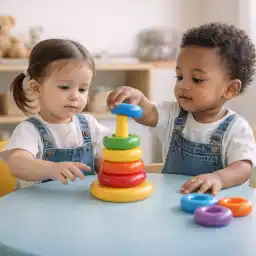
What Are Effective Ways to Build Early Sequencing Skills Through Daily Routines?
10/24/2026Children encounter order every day: washing hands before snack, putting on shoes before going outdoors, and cleaning up before moving to a new activity. By making these familiar steps visible and talkable, providers can build early #sequencing skills while supporting communication and independence; ... What Are Effective Ways to Build Early Sequencing Skills Through Daily Routines?
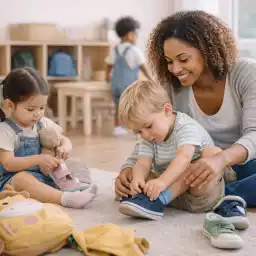
How Can Preschool Teachers Support Children Who Need Extra Time During Transitions?
10/24/2026A child who lingers when the group moves on may need more time to process, finish, or feel ready—not a reprimand. Learn practical ways to make transitions more predictable and inclusive, and explore Self-Regulation & Change: Helping Children Cope for focused professional learning on routin... How Can Preschool Teachers Support Children Who Need Extra Time During Transitions?
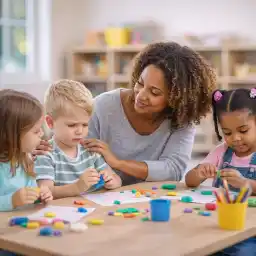
What Should Teachers Do When Children Constantly Compare Their Work to Others?
10/24/2026When a child asks, “Is mine as good as hers?” the moment can become an opportunity to build confidence rather than rank children’s abilities. A focused course such as CDA Subject Area 3: Supporting Children’s Social and Emotional Development can deepen your understanding of s... What Should Teachers Do When Children Constantly Compare Their Work to Others?
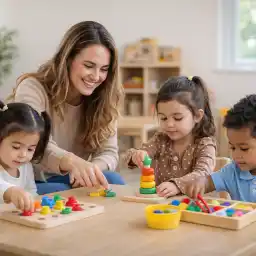
What Are Simple Ways to Strengthen Hand-Eye Coordination Through Classroom Activities?
10/24/2026Small, playful moments—catching a balloon, placing a puzzle piece, or pouring water—give children meaningful practice coordinating what they see with how they move. Explore practical classroom ideas and build your planning skills with ChildCareEd’s How Preschoolers Develop course, ... What Are Simple Ways to Strengthen Hand-Eye Coordination Through Classroom Activities?

How Can Preschool Teachers Encourage Children to Reflect on What They Learned?
10/24/2026When preschoolers pause to revisit a discovery, a block tower, or a story, they begin to notice not only what they know but how they learned it. Build these moments into ordinary classroom routines—and strengthen your practice with Lesson Planning for Preschoolers, which offers developmentally... How Can Preschool Teachers Encourage Children to Reflect on What They Learned?

What Should Teachers Do When a Child Becomes Anxious About Trying Something New?
10/24/2026When a new activity feels daunting, a child may need safety and support before they can explore—not a push to “just try.” ChildCareEd’s Anxiety: Signs & Strategies course helps providers recognize how anxiety can appear and respond with inclusive classroom practices; it o... What Should Teachers Do When a Child Becomes Anxious About Trying Something New?

How Can Child Care Providers Use Classroom Jobs to Build Confidence and Independence?
10/24/2026When children have a meaningful way to help, everyday routines can become opportunities to feel capable, connected, and proud. Explore how to make classroom jobs safe, inclusive, and genuinely developmental—and consider Supporting Children’s Independence to strengthen your strategies for... How Can Child Care Providers Use Classroom Jobs to Build Confidence and Independence?
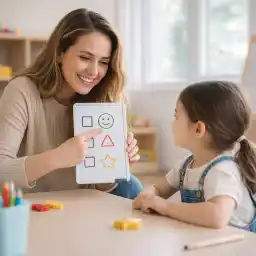
What Are Developmentally Appropriate Ways to Introduce Goal Setting to Young Children?
10/24/2026Young children can practice setting goals without turning childhood into a performance contest. By connecting goals to play, personal interests, and everyday routines, providers can nurture agency and persistence while respecting each child’s pace; Observations and Goal Setting in Childcare of... What Are Developmentally Appropriate Ways to Introduce Goal Setting to Young Children?
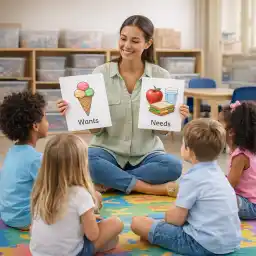
How Can Preschool Teachers Help Children Understand the Difference Between Wants and Needs?
10/24/2026When a preschooler says they “need” the toy they just spotted, they are offering a meaningful chance to practice language, emotional awareness, and decision-making. Explore practical, play-based ways to nurture that learning—and consider Social Foundations and Responsive Classrooms... How Can Preschool Teachers Help Children Understand the Difference Between Wants and Needs?
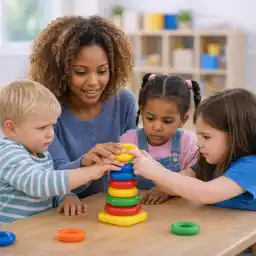
What Should Educators Do When Children Have Difficulty Working Together on a Shared Task?
10/24/2026When a shared project turns into competing ideas, grabbing materials, or one child doing all the work, educators can turn the moment into a meaningful lesson in cooperation. The course Supporting Social Learning: Creating Classrooms that Care offers practical ways to strengthen peer problem-solving ... What Should Educators Do When Children Have Difficulty Working Together on a Shared Task?
