Latest Blog & News
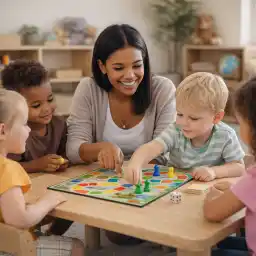
What Can Preschool Board Games Teach Beyond Taking Turns?
10/26/2026A simple board game can turn a rainy afternoon into a lively practice ground for number sense, visual attention, rule-following, and flexible problem-solving. Explore ChildCareEd’s Early Mathematics Through Play to build practical strategies for making math meaningful through games, routines, ... What Can Preschool Board Games Teach Beyond Taking Turns?
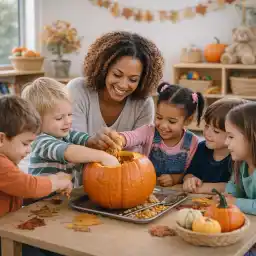
How Can Child Care Providers Celebrate Fall Without Assuming Every Family Shares the Same Traditions?
10/26/2026Fall can bring rich opportunities for discovery, connection, and joyful classroom learning—but a seasonal plan works best when it begins with families’ voices, not assumptions. Use the Fall Family Traditions Questionnaire to invite optional input about family preferences and communicatio... How Can Child Care Providers Celebrate Fall Without Assuming Every Family Shares the Same Traditions?
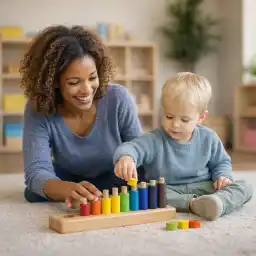
How Can Preschoolers Build Confidence When They Skip Numbers?
10/26/2026When a preschooler skips a number, it can be a clue about what to teach next—not a reason to worry or rush in with the answer. Explore practical ways to use visual number-sequence puzzles, including pumpkin-themed missing-number strips, to make the order from 1 to 10 easier to see and talk abo... How Can Preschoolers Build Confidence When They Skip Numbers?
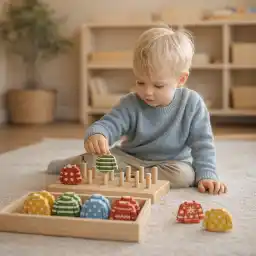
How Can Sweater Patterns Help Preschoolers Build Early Math Reasoning Before Kindergarten?
10/26/2026When a preschooler notices that stripes repeat or predicts which shape belongs next, a cozy sweater design can become a small but meaningful math investigation. The Early Mathematics Through Play course offers providers broader strategies for teaching patterns, geometry, and reasoning through hands-... How Can Sweater Patterns Help Preschoolers Build Early Math Reasoning Before Kindergarten?

Why Can Preschool Morning Arrivals Be Difficult—and What Can Teachers Change?
10/26/2026Morning arrival asks preschoolers to shift from home, separate from trusted adults, manage belongings, and enter a busy social space—often all at once. A simple visual sequence can make that transition more understandable and support children’s independence; explore My Arrival Routine: V... Why Can Preschool Morning Arrivals Be Difficult—and What Can Teachers Change?
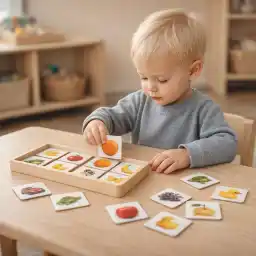
Why Is Picture Matching an Important Learning Experience for Toddlers?
10/26/2026When a toddler studies two pumpkin pictures and notices what is alike—or different—a simple game becomes meaningful practice in seeing, thinking, and communicating. Adult-supported matching can help children ages 18–36 months build visual discrimination and vocabulary through playf... Why Is Picture Matching an Important Learning Experience for Toddlers?
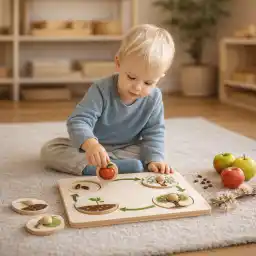
How Can Preschool Activities Help Children Follow an Apple Tree’s Life Cycle?
10/26/2026When four- and five-year-olds can arrange, label, and explore the stages of an apple tree’s growth, a big science idea becomes something they can see and explain. The Basic Science in Early Childhood course offers educators practical guidance for nurturing inquiry through meaningful classroom ... How Can Preschool Activities Help Children Follow an Apple Tree’s Life Cycle?
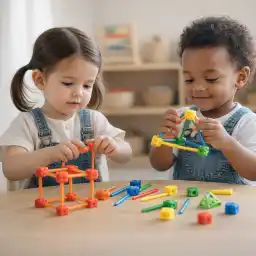
How Can Preschoolers Learn Geometry Through Building and Play?
10/26/2026When preschoolers move shapes around to build a haunted house, they do more than name circles and triangles: they test how parts fit, where they belong, and what changes when a piece turns. Explore Early Mathematics Through Play for practical ways to weave geometry into hands-on classroom experience... How Can Preschoolers Learn Geometry Through Building and Play?
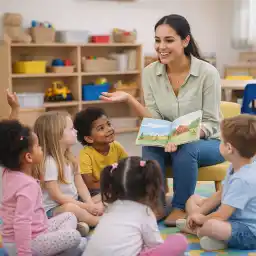
What Can You Do When Preschoolers Give One-Word Answers During Storytime?
10/26/2026When a preschooler answers “bear” and then falls quiet, that single word is a meaningful start—not a failed conversation. Learn how to build naturally from brief responses with patient pauses, thoughtful prompts, and playful rereading; Reading Aloud and Storytelling offers focused ... What Can You Do When Preschoolers Give One-Word Answers During Storytime?
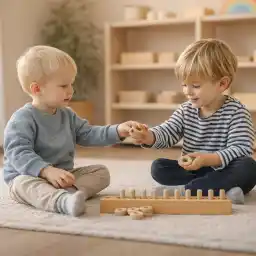
How Can Fair Sharing Build Early Math Skills Beyond “Take Turns”?
10/26/2026When preschoolers reach for the same toy, “take turns” may settle the moment—but sharing objects equally can also turn that moment into meaningful mathematics. The Early Mathematics Through Play course helps child care providers connect counting, number sense, and problem-solving t... How Can Fair Sharing Build Early Math Skills Beyond “Take Turns”?
